
24/7 Customer Support

Free returns

Same-day & Next-day Delivery

Quality Guaranteed

Unlock Your Welcome Offers: FREE Delivery | Up to 80% OFF | Free 30-day JoyPlus trial
Download the APP
The world of ume plum is a journey of intense and delightful flavours, from the mouth-puckering tartness of a Japanese pickled plum to the satisfying sweetness of a Chinese plum snack. For UK shoppers, however, navigating the online aisles to buy Asian snacks can be tricky. What arrives might be unexpectedly salty, overly sweet or have a texture you weren't prepared for.
As a Joybuy Product Recommendation Officer, my role is to help you see past the marketing and make informed choices. Let's look at the common pitfalls when buying preserved plums and how to find the perfect product for your palate.
umeboshi, is intensely salty and sour, designed to be eaten in small amounts with rice. In contrast, a Chinese plum snack might be coated in sugar or licorice for a much milder, sweeter taste. Buying without knowing the style can lead to a flavour shock.preserved plums rely on a careful balance of ingredients to achieve their distinctive taste. This can include a variety of sweeteners (like Aspartame or Sucralose), preservatives to maintain freshness (such as Sodium Metabisulphite) and often, a very high sodium content. If you're mindful of additives or salt, the front of the packet doesn't always tell the whole story.ume plum can range from soft, fleshy and moist to firm, dry and chewy. Vague product descriptions can leave you guessing, and you might end up with a texture that isn't to your liking.To avoid disappointment, focus on a few core factors. Understanding these will help you decode product labels and choose with confidence.
The type of plum product is the single most important factor in determining its taste.
preserved plums to salty and sour varieties, sometimes with hints of licorice or other spices. These are what most people think of as a Chinese plum snack.suanmeitang, is a traditional brewed beverage made from smoked plums, hawthorn and other herbs. It's a refreshing drink, often served chilled.A quick look at the back of the pack provides crucial clues.
umeboshi, a high salt content (often over 20g per 100g) is normal and part of its preserving process. For other plum snacks, check the nutritional information to ensure the salt level aligns with your dietary preferences.To make things easier, we've matched some popular options to different tastes and needs.
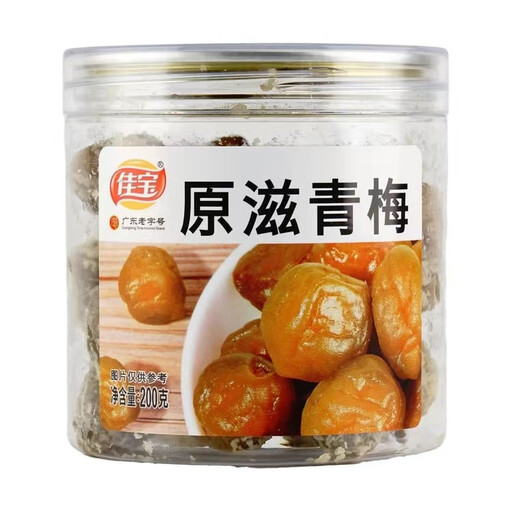
Why This Fits Their Persona: This is an excellent starting point for anyone new to Chinese preserved plums. It offers a classic, balanced flavour that isn't overwhelmingly sour or salty, making it a very approachable snack for the UK palate.
Its "sweet-tart" profile is a safe middle-ground, avoiding the flavour shock of an intensely salty umeboshi. The clear ingredient list manages expectations regarding sweeteners.
A classic and balanced flavour profile. The 200g bag is a convenient format for casual snacking or sharing.
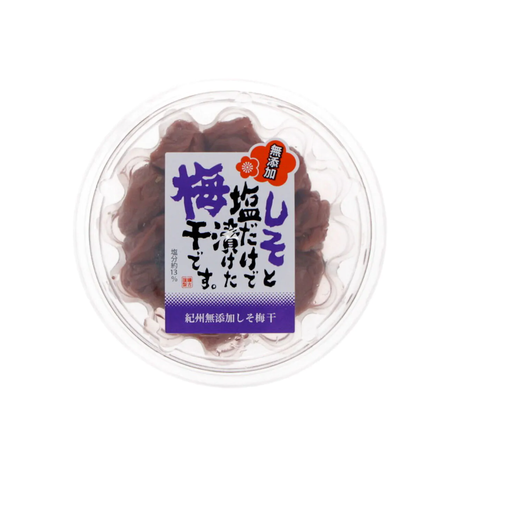
Why This Fits Their Persona: For those seeking authentic Japanese flavours for their cooking, this is the real deal. It's perfect for making onigiri, serving with rice, or adding a sharp, salty kick to dressings and marinades.
The product name and description are very clear about its identity as a "pickled plum" with an "intense tartness and salty kick," ensuring the buyer knows this is a condiment, not a sweet snack.
Authentic Japanese umeboshi flavour, enhanced with aromatic shiso leaves. Highly versatile as a traditional seasoning.
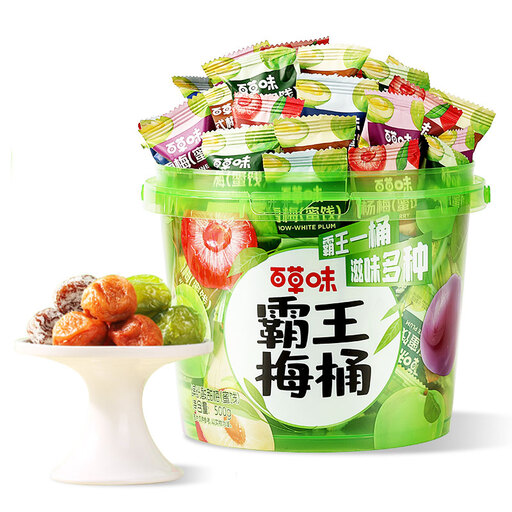
Why This Fits Their Persona: This bucket is ideal for sharing at parties, stocking the office pantry, or for families with diverse tastes. With five different flavours in 70 individual packs, there's something for everyone.
By offering a variety of flavours (Green Plum, Red Bayberry, Prune, etc.), it minimises the risk of being stuck with a single flavour profile you dislike. The individual packs also prevent texture degradation from exposure to air.
Excellent variety with five different plum types. The 70 individual packs are hygienic, portable and maintain freshness.
We have compiled a complete, real-time list of products that fully satisfy these strict selection criteria and UK safety regulations.
1. What is the difference between Japanese umeboshi and Chinese preserved plums? The main difference lies in preparation and taste. Japanese umeboshi are pickled in salt, resulting in a very intense salty and sour plum flavour. They are used as a condiment. Chinese preserved plums are a broader category, often dried or candied, and can be sweet, salty or sour, and are typically eaten as a standalone Chinese plum snack.
2. How should I store preserved plums after opening? For most dried or candied plums in bags, it's important to reseal the packaging tightly and store them in a cool, dry place away from direct sunlight. For pickled plums like umeboshi that come in a jar, they should be refrigerated after opening to maintain their quality and consumed promptly. Always check the storage instructions on the packaging.
3. Are ume plum snacks a healthy choice? Like many preserved foods, they should be enjoyed in moderation. Traditional umeboshi is very high in salt. Many other plum snacks contain added sugar and sweeteners. It's always a good idea to check the nutritional information and ingredient list to make a choice that fits your dietary needs. They can be a flavourful alternative to other processed snacks when consumed mindfully.