
24/7 Customer Support

Free returns

Same-day & Next-day Delivery

Quality Guaranteed

Unlock Your Welcome Offers: FREE Delivery | Up to 80% OFF | Free 30-day JoyPlus trial
Download the APP
As a Joybuy Product Recommendation Officer, my role is to help you navigate the crowded market and make informed choices. When it comes to a pantry staple like walnuts, the options can be surprisingly complex. From whole nuts to oils and snacks, making the right selection is key to getting the value and quality you expect. This guide will help you understand the crucial differences and avoid common purchasing mistakes.
Many of us have been disappointed after buying walnuts online. You might have encountered these common issues:
Understanding a few key factors can ensure you get exactly what you need, whether you're baking a classic coffee and walnut cake or looking for a simple, nutritious snack.
To avoid the pitfalls, focus on these three core parameters. They will help you match the product to your specific needs.
The physical form of the walnut is the most important factor for its intended use.
Traditionally, cracking walnuts required a sturdy nutcracker and a bit of effort. Today, a new option has become popular:
Walnuts are also available in various processed forms, each with its own considerations.
Based on these criteria, here are a few options from our catalogue, matched to different needs and lifestyles.
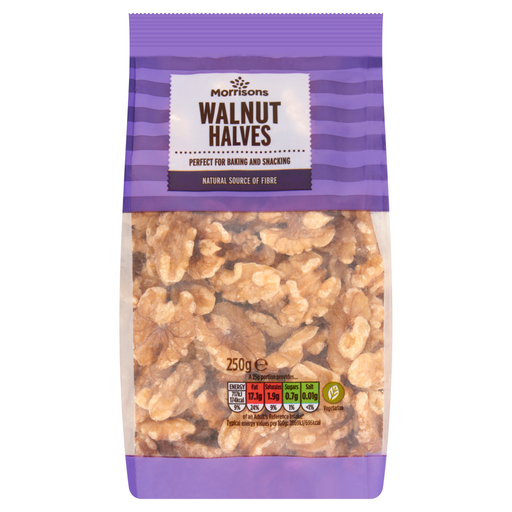
Why This Fits Their Persona: For someone who bakes regularly, consistency is key. This product provides ready-to-use walnut halves, ensuring uniform size for decorating cakes or for a consistent texture when roughly chopped for brownies and breads.
It directly solves the "bag of bits" problem by clearly providing walnut halves, not unspecified "pieces". This gives the baker full control over the final size and shape needed for their recipe.
Pure 100% walnuts with no additives. The resealable packaging helps maintain freshness after opening, addressing a common storage concern.
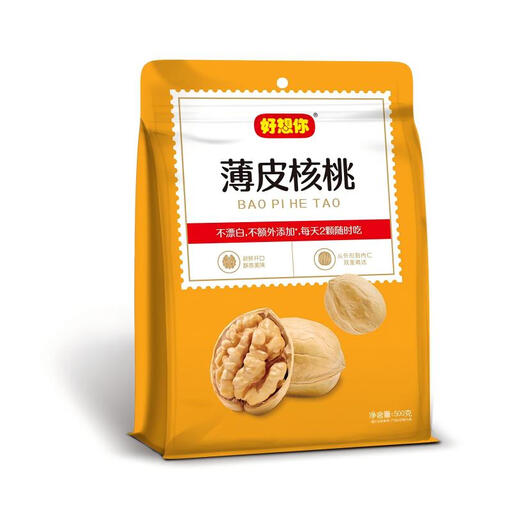
Why This Fits Their Persona: This is for the person who wants a healthy walnut snack without the fuss. The thin-shell design means they can be cracked by hand, making them perfect for an office drawer, a lunchbox or a post-gym bite.
It tackles the freshness problem head-on. The shell protects the kernel from oxidation until the moment of consumption, ensuring a better taste compared to pre-shelled nuts that have been exposed to air.
Maximum convenience for an in-shell product. The main bag contains smaller individual packs, making it easy to portion control and maintain the freshness of the remaining walnuts.
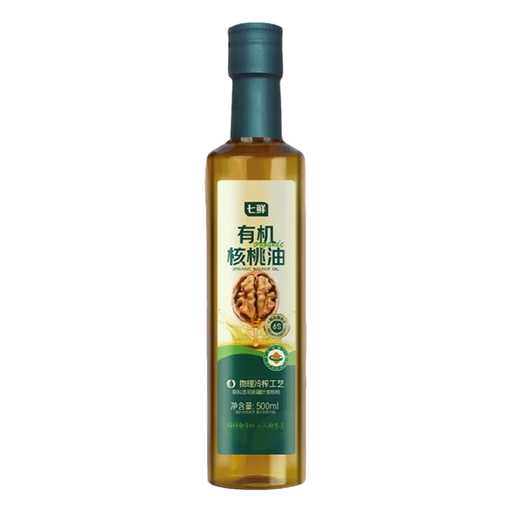
Why This Fits Their Persona: This user is interested in incorporating the flavour and properties of walnuts into their cooking in new ways. This walnut oil for cooking is a versatile ingredient for the creative home chef.
It sidesteps the "hidden sugar trap" common in processed walnut snacks. This is a pure, single-ingredient product—100% walnut oil—with no additives, offering a clean, nutty flavour for culinary use.
This cold-pressed oil is high in unsaturated fatty acids. It is ideal for salad dressings, drizzling over pasta or adding a finishing touch to soups, preserving its delicate flavour.
We have compiled a complete, real-time list of products that fully satisfy these strict selection criteria and UK safety regulations.
Here are answers to a few common questions people have when they buy walnuts online in the UK.
Due to their high oil content, walnuts are prone to going rancid. To maximise freshness, store them in an airtight container in a cool, dark place. For short-term storage (a few weeks), a pantry cupboard is fine. For longer-term storage (several months), the refrigerator is a better option. For periods longer than six months, you can store them in the freezer.
Not at all. The term paper shell walnuts refers to specific cultivars that have been bred to produce a much thinner shell. The quality, flavour and nutritional profile of the kernel inside are comparable to those of traditional, hard-shell varieties. The main difference is convenience, as they are significantly easier to open.
It is generally not recommended. Most walnut oil, especially cold-pressed varieties, has a relatively low smoke point (around 160°C). Exceeding this temperature can burn the oil, creating a bitter taste and destroying its delicate nutritional compounds. It is best reserved for salad dressings, vinaigrettes or as a finishing oil drizzled over dishes after cooking.