
24/7 Customer Support

Free returns

Same-day & Next-day Delivery

Quality Guaranteed

Unlock Your Welcome Offers: FREE Delivery | Up to 80% OFF | Free 30-day JoyPlus trial
Download the APP
Navigating the world of whisky can feel overwhelming. With bottles from Scotland, Ireland, Japan and beyond, all promising unique heritage and flavour, it is easy to get lost in the marketing. Many of us have bought a promising-looking bottle only to find it doesn't suit our taste, or worse, paid a premium for a feature that doesn't actually translate to better quality.
As a Joybuy Product Recommendation Officer, my role is to help you see past the hype. This guide will focus on the practical details that matter, helping you understand what you are buying and avoid common pitfalls that lead to disappointment and wasted money.
Before you decide to buy whisky online, be aware of these two frequent misconceptions that can steer you wrong.
To make an informed choice, focus on these key parameters that genuinely shape the spirit in your glass.
The production method and geographical origin are the foundations of a whisky's character.
The type of wooden cask used for ageing is arguably the most significant contributor to a whisky's final flavour, aroma and colour.
Instead of a generic list, we have matched a few standout options to specific preferences and occasions.
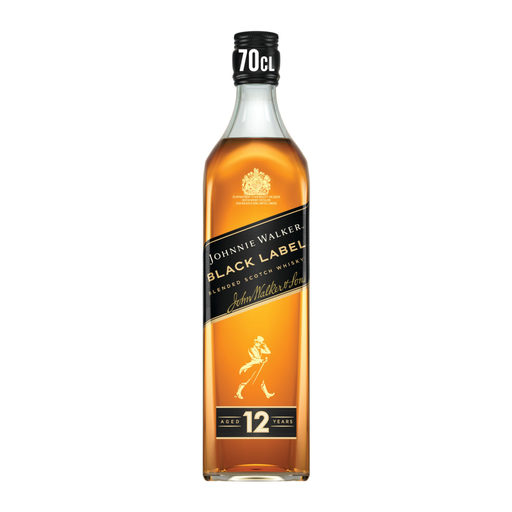
Why This Fits Their Persona: This is a globally recognised and respected blend, making it a reliable choice for a whisky gift or for stocking a home bar. Its balanced profile is approachable for newcomers but has enough complexity for seasoned drinkers, and it performs exceptionally well in cocktails.
It directly challenges the "single malt superiority" myth by showcasing the depth and consistency that a masterfully crafted blended scotch whisky can achieve.
Exceptional versatility for sipping or mixing. A consistent flavour profile with notes of dark fruit, vanilla sweetness and a signature hint of smoke.
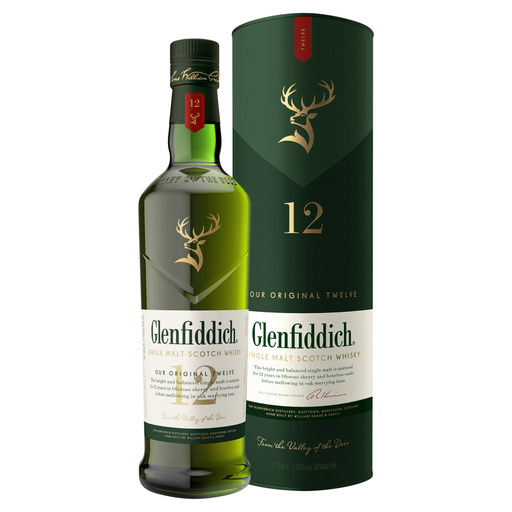
Why This Fits Their Persona: This is a quintessential Speyside whisky and a perfect gateway into the world of single malts. Its character is light, fruity and approachable, setting a clear benchmark for the style without an intimidating flavour profile or price tag.
It proves that a 12 year old whisky can be exceptionally well-crafted and satisfying, countering the "older is always better" assumption by delivering a fresh, vibrant and balanced experience.
A classic Speyside profile with distinctive notes of fresh pear and subtle oak. It is widely available and offers a very consistent quality.
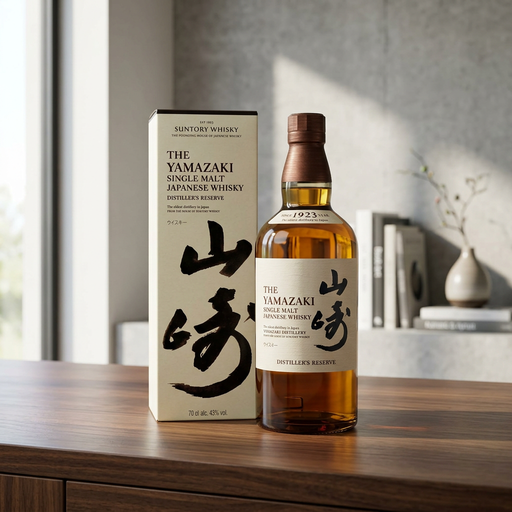
Why This Fits Their Persona: For those looking to explore beyond Scotland, this offers a superb introduction to the elegant and complex world of japanese whisky. It is a sophisticated choice for someone who appreciates nuance and craftsmanship.
This is a No-Age-Statement (NAS) whisky that shifts the focus from age to the art of blending and cask maturation, proving a whisky's quality is about more than just a number.
A unique and complex flavour profile featuring red fruits (strawberry, cherry) and the distinctive sandalwood-like spice from rare Mizunara Japanese oak casks.
We have compiled a complete, real-time list of products that fully satisfy these strict selection criteria and UK safety regulations.
The spelling primarily indicates the country of origin. "Whisky" is used for spirits from Scotland, Canada and Japan. "Whiskey" (with an 'e') is used for spirits from Ireland and the United States. While there are exceptions, this is a reliable general rule.
Once opened, a bottle of whisky should be stored upright in a cool, dark place, away from direct sunlight and significant temperature fluctuations. Ensure the cap or cork is sealed tightly to minimise oxidation, which can dull the flavours over time. Unlike wine, it does not need to be stored on its side.
While dedicated whisky glasses like a Glencairn or copita are designed to concentrate the aromas and enhance the tasting experience, they are not essential. A simple, solid tumbler or rocks glass is perfectly fine for enjoying your whisky, especially if you are adding ice or a mixer. The most important thing is to use a glass you enjoy holding.