
24/7 Customer Support

Free returns

Same-day & Next-day Delivery

Quality Guaranteed

Unlock Your Welcome Offers: FREE Delivery | Up to 80% OFF | Free 30-day JoyPlus trial
Download the APP
Navigating the world of white wine can feel overwhelming. When you decide to buy white wine online, you are met with a virtual wall of bottles, all promising a unique experience. The trouble is, marketing language and confusing labels can often lead to disappointment and wasted money. A beautiful label doesn't guarantee a pleasant taste, and a popular brand name isn't always a hallmark of quality.
As the Joybuy Product Recommendation Officer, my role is to help you see past the hype. Many shoppers fall into a few common traps: choosing a wine based on a fancy-looking label, being misled by vague terms like 'reserve' that have no legal definition in many regions, or ending up with a wine that is far sweeter or drier than expected. This guide will help you understand the key factors that truly matter, ensuring your next white wine delivery is exactly what you were hoping for.
To make a confident choice, it helps to understand a few core characteristics. These are the fundamentals that determine the flavour, texture and overall enjoyment of the wine in your glass.
The grape is the single most important factor in a wine's taste profile. While there are hundreds of varieties, most of the white wines you'll encounter fall into a few key categories:
Many people confuse "fruity" with "sweet." A fruity white wine can be completely dry.
To help you find the right bottle for your needs, we have matched some excellent options to different preferences and occasions.
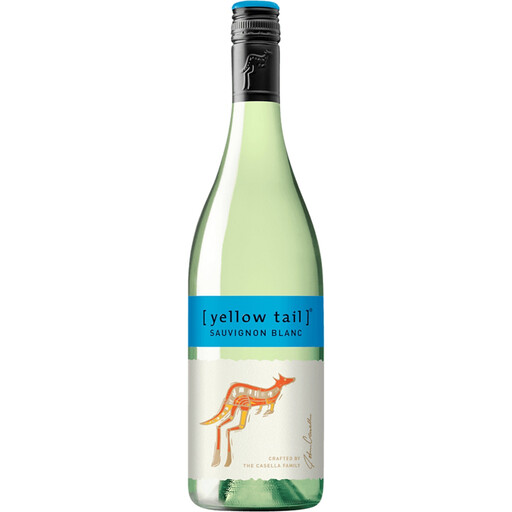
Why This Fits Their Persona: This is for the UK shopper who wants a reliable, unpretentious and affordable wine for a weeknight meal or a casual chat with friends. It's consistently fresh and easy to drink, removing any guesswork.
It avoids the "popularity trap" by delivering exactly what its reputation suggests: a straightforward, fruit-forward Australian white wine. There are no confusing terms or promises of unearned complexity.
Vibrant passion fruit and zesty grapefruit aromas. Its light body and refreshing acidity make it incredibly approachable and food-friendly.
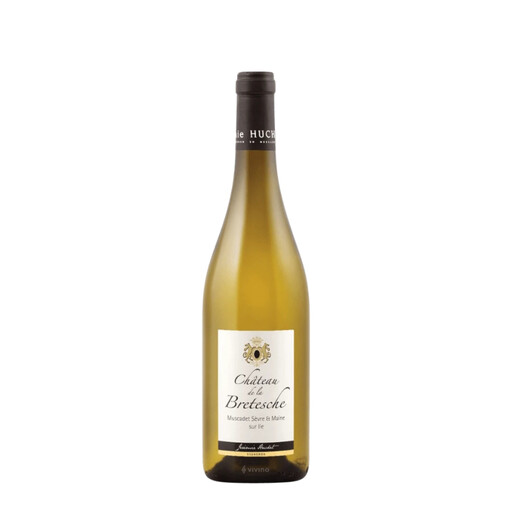
Why This Fits Their Persona: For those hosting a meal who want a wine that feels a little more special and pairs beautifully with food, particularly seafood or chicken. It offers a talking point without an intimidating price tag.
Its quality is guaranteed by its origin (Muscadet Sèvre et Maine AOC) and production method (Sur Lie ageing). This is a regulated term that signifies a specific process, unlike vague marketing fluff.
Offers a distinct saline minerality and crisp citrus notes. The Sur Lie ageing adds a subtle creamy texture and complexity that elevates it above basic table wines.
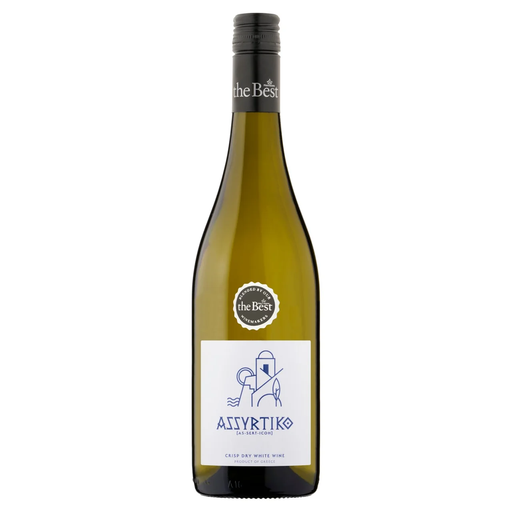
Why This Fits Their Persona: Perfect for the curious drinker tired of the usual suspects. This offers a journey to the Greek islands with a grape variety, Assyrtiko, that is celebrated for its unique character and food-pairing versatility.
This choice sidesteps the trap of sticking to familiar but unexciting wines. It provides a genuinely different and high-quality experience, proving that exploration beyond the big three grapes is highly rewarding.
Aromatic profile of ripe peach and floral notes. The palate is defined by vibrant green citrus and a textured, mineral finish from ageing on its lees.
We have compiled a complete, real-time list of products that fully satisfy these strict selection criteria and UK safety regulations.
Once opened, a bottle of white wine should be re-sealed and stored in the fridge. Lighter-bodied wines like Pinot Grigio and Sauvignon Blanc are best consumed within 2-3 days. Fuller-bodied wines like an oaked Chardonnay may last up to 5 days, though you will notice the fresh fruit flavours begin to fade.
Not necessarily. While it's true that white wine should be served chilled, serving it too cold can mute its aromas and flavours.
They are the exact same grape variety. The name simply reflects the style of the wine. Pinot Grigio is the Italian style, typically harvested earlier to produce a light, crisp and zesty wine. Pinot Gris is the French style (from Alsace), where grapes are often left to ripen longer, resulting in a richer, more full-bodied and sometimes slightly off-dry wine with notes of honey and spice.