
24/7 Customer Support

Free returns

Same-day & Next-day Delivery

Quality Guaranteed

Unlock Your Welcome Offers: FREE Delivery | Up to 80% OFF | Free 30-day JoyPlus trial
Download the APP
Choosing a bottle online can be surprisingly difficult. Product pages often use polished tasting language, while important details such as bottle size, alcohol content, grape variety and delivery conditions may be less prominent. Whether you are planning a dinner, buying a gift or comparing white wine case deals, a little checking can help prevent an unsuitable purchase.
This guide explains what to look for when you buy white wine online, with practical recommendations for different budgets and occasions.
Words such as “elegant”, “premium” and “luxurious” describe an intended impression rather than a measurable feature. A more useful product page should identify the grape variety, country or region, alcohol percentage, bottle size and allergens.
For example, Sauvignon Blanc from Marlborough commonly appeals to shoppers seeking fresh, aromatic flavours, whereas Viognier wine is generally associated with a fuller texture and stone-fruit aromas. These are more helpful starting points than vague quality claims.
A case may reduce the price per bottle, but only if you are likely to enjoy the same style repeatedly. Check whether the listing contains six bottles, the volume of each bottle and the stated alcohol content. A 6 x 75cl case provides 4.5 litres of wine, but a smaller dessert wine bottle will offer considerably less liquid.
For occasional drinking, individual bottles may be more practical. For dinner hosts or regular entertainers, a case can simplify preparation and reduce the risk of running out.
Online wine descriptions can occasionally contain information that does not fully match the product title. Before ordering, compare the stated grape, country of origin, region and image. If a product page gives conflicting information, treat the physical label and retailer listing as the final references, and contact customer service if clarification is needed.
Start with the type of wine you are likely to enjoy:
Most everyday bottles are 75cl, but dessert wines may be sold in smaller formats. Check the stated alcohol percentage and UK units per bottle rather than relying on the product name.
For reference, products in this selection range from around 12% to 14% ABV. A 13% 75cl bottle contains approximately 9.8 UK units, although the exact figure depends on the label. The UK Chief Medical Officers’ guidance is not to regularly exceed 14 units per week, whether drinking at home or entertaining.
All alcohol products are for customers aged 18 and over. Expect age verification during delivery, and plan for someone aged 18 or over to receive the order.
White wine should generally be stored away from direct sunlight and heat. Most fresh styles are served chilled, commonly around 8–10°C, while fuller Chardonnay or Viognier may show more texture when served slightly warmer. Once opened, refrigerate the bottle and follow the product guidance for consumption.
Look for allergen information too. Wine commonly contains sulphur dioxide or sulphites, which must be declared when present. Vegetarian or vegan suitability should only be assumed where the product listing or label confirms it.
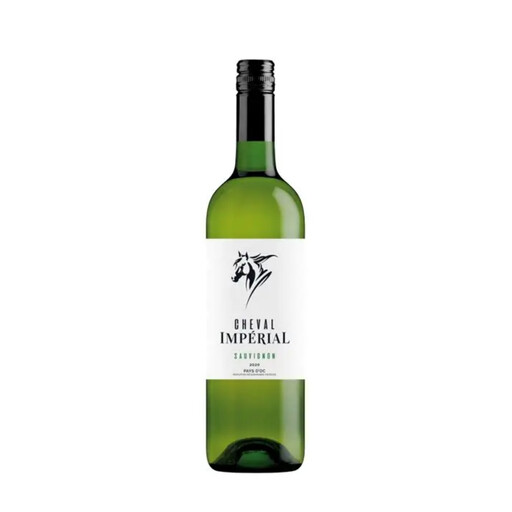
Why This Fits Their Persona: A straightforward 75cl French Sauvignon Blanc for shoppers who want a versatile bottle for a weekday meal, picnic or casual gathering.
The listing identifies the grape, French region, bottle size, 13% ABV and sulphite information rather than relying only on promotional wording.
13% ABV; suitable for vegetarian and vegan shoppers according to the listing.
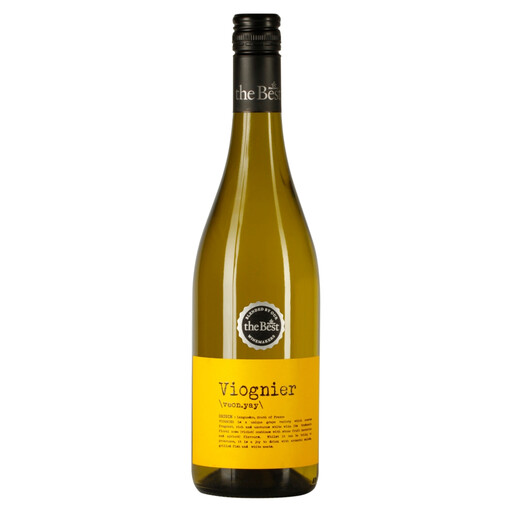
Why This Fits Their Persona: A fuller, aromatic option for dinner hosts and shoppers looking beyond the familiar crisp Sauvignon Blanc style.
Its listing gives a defined grape variety, serving guidance, 13% alcohol content and 9.8 units per 75cl bottle.
Peach, apricot, mango and floral tasting notes; recommended serving temperature of 8–10°C.
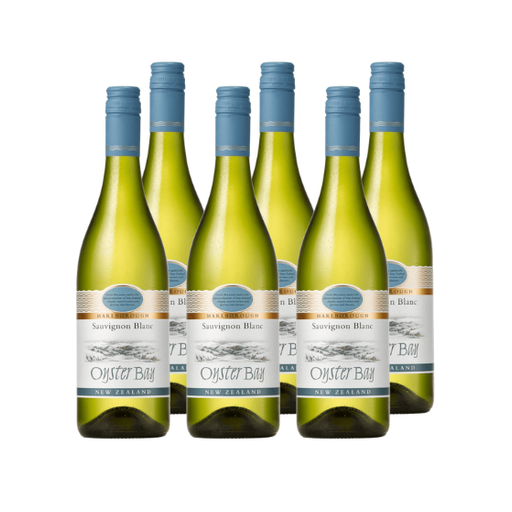
Why This Fits Their Persona: A six-bottle format for hosts, shared meals and shoppers who regularly serve New Zealand Sauvignon Blanc.
The pack quantity and 75cl bottle size are clearly stated, helping shoppers calculate total volume and price per bottle.
Marlborough origin; 12.5% ABV and 9.375 UK units per bottle stated in the product information.
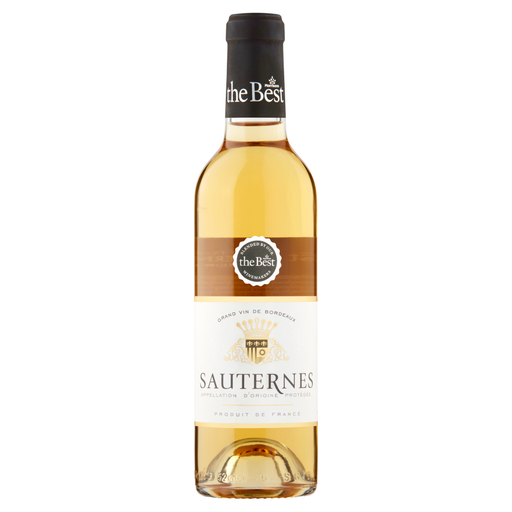
Why This Fits Their Persona: A smaller-format sweet French wine for dessert courses, gifts or special meals where a full bottle may be unnecessary.
The 37.5cl size and sweet dessert-wine style are clear, reducing the risk of mistaking it for a standard dry table wine.
Sauternes origin; listed tasting notes include apricot, honey and citrus.
We have compiled a complete, real-time list of products that fully satisfy these strict selection criteria and UK safety regulations.
Check the grape variety, country of origin, bottle size, ABV, UK units, sulphite declaration and delivery age-verification requirements. Also compare the number of bottles in a case with the single-bottle price.
It can offer a lower price per bottle, but value depends on the product, delivery charge and whether you will use the full case. Calculate the total price divided by the number of bottles before ordering.
Keep unopened bottles in a cool, dark place away from heat and sunlight. Chill most fresh white wines before serving. Once opened, reseal and refrigerate, then follow the product guidance for when to finish it.