
24/7 Customer Support

Free returns

Same-day & Next-day Delivery

Quality Guaranteed

Unlock Your Welcome Offers: FREE Delivery | Up to 80% OFF | Free 30-day JoyPlus trial
Download the APP
Navigating the world of online wine purchasing can feel like a gamble. With endless options and persuasive marketing, it's easy to end up with a case of something that doesn't live up to its description. As the Joybuy Product Recommendation Officer, my role is to help you sidestep the common pitfalls and make informed choices, ensuring every bottle delivered to your door is one you'll genuinely enjoy.
Before you add that tempting case to your basket, let's look at the frequent traps that UK shoppers fall into and how to avoid them.
mixed case of wine at an attractive price, but with vague descriptions. These are frequently used to clear end-of-line stock or less popular bottles. You might get one or two decent wines, but the rest can be disappointing, leaving you with a case of wine you don't want to drink.Spanish Rioja, and assume a certain level of quality. However, some wines are simply bottled near a prestigious area without adhering to its strict quality controls (like DOCa or AOC classifications). You pay a premium for the name but receive a generic table wine.white wine delivery or red wine case delivery isn't always free. The cost is often absorbed into a higher price per bottle. This can make buying single bottles or small orders poor value compared to purchasing a full case where the pricing structure is more transparent.To ensure you get what you pay for, focus on these key details. They provide a much clearer picture of a wine's quality than a flashy label or a discount sticker.
The alphabet soup of AOC, DOCa and IGP on a label is your first clue to quality. These are legally defined geographical indications that dictate where the grapes were grown and the methods used to make the wine.
Don't just buy based on the grape. A Sauvignon Blanc can vary dramatically depending on its origin. A French wine from the Loire Valley might be described with notes of "gooseberry, cut grass and flinty minerality," indicating a crisp, dry and savoury style. A Sauvignon Blanc from a warmer climate might have notes of "passion fruit and pineapple," suggesting a fruitier, more rounded profile. Look for these descriptors to find a wine that truly matches your taste preferences.
Many assume all wine is vegan, but this is not the case. During a process called 'fining', which clarifies the wine, producers may use agents derived from animal products, such as egg whites (albumin), milk protein (casein) or fish bladder (isinglass). If you're looking for a vegan wine, check the product description for explicit confirmation like "Suitable for Vegans" or a certified vegan logo. If it's not mentioned, you cannot assume it is vegan-friendly.
To help you apply this knowledge, here are a few recommendations matched to different needs and preferences.

Why This Fits Their Persona: This is for the person who wants a reliable, go-to red for weeknight dinners or casual get-togethers. It offers consistent quality and a crowd-pleasing profile without the high cost of more famous Spanish regions.
This is not a "mystery" wine. It is a specific Tempranillo from the La Mancha region, offering predictable, fruit-forward character and quality year after year.
Excellent price-to-quality ratio. Its fresh red fruit profile and smooth tannins make it incredibly versatile for pairing with tapas, pasta or grilled meats.
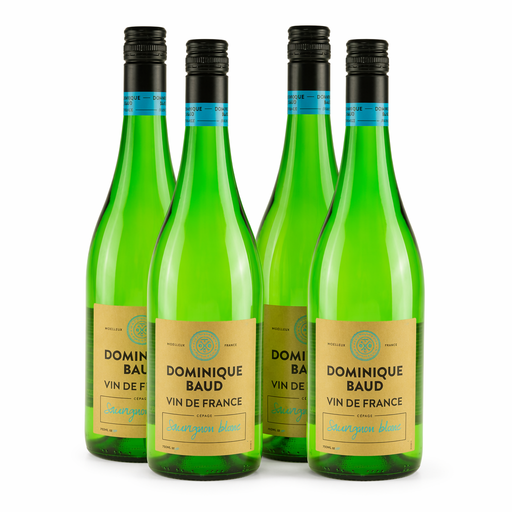
Why This Fits Their Persona: For those hosting a wine for dinner party, this classic French Sauvignon Blanc is an elegant and safe choice. It's crisp, refreshing and pairs beautifully with a wide range of popular dishes like seafood, chicken and salads.
This avoids the misleading label trap. It's from the Touraine AOC in the Loire Valley, guaranteeing a specific style and quality standard that a generic "French wine" cannot.
It delivers the quintessential Loire Valley profile: zesty citrus, gooseberry and a clean, mineral finish. It's a food-friendly wine that signals quality to your guests.
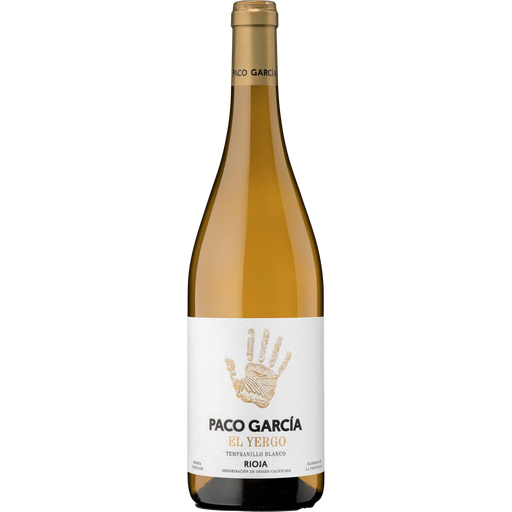
Why This Fits Their Persona: For the wine drinker who is tired of the same old grapes and wants to discover something new. A white wine from Rioja, made from the rare Tempranillo Blanco grape, is a fantastic conversation starter and a genuine discovery.
This is the antithesis of a generic mystery wine. It's a niche, high-quality product from a specific producer, showcasing a rare grape mutation from a top-tier DOCa region.
Offers a unique and complex flavour profile with notes of pineapple, citrus and a hint of vanilla from oak. It's a full-bodied white that stands up to food beautifully.
We have compiled a complete, real-time list of products that fully satisfy these strict selection criteria and UK safety regulations.
It can be, but caution is advised. Pre-selected "mystery" cases may not offer the best value if they contain wines you won't enjoy. A more reliable approach is to buy a full case of a single wine you've researched or to use a "build your own case" feature if available. This gives you control over quality and often still qualifies for case discounts and better shipping rates.
The most reliable way is to check the product's specifications for a "Suitable for Vegans" statement or an official certification mark. The use of animal-derived fining agents like egg whites, milk protein or isinglass (from fish) is common in winemaking to clarify the final product. If the label or online description does not explicitly state it is a vegan wine, it is safer to assume it is not.
For immediate or short-term consumption (within a few weeks), storing bottles upright in a cool, dark cupboard away from direct sunlight and heat sources is perfectly fine. For longer-term cellaring (several months or years), bottles with corks should be stored on their side to keep the cork moist. The ideal environment is a place with a stable, cool temperature, around 12-13°C. Always chill whites, rosés and sparkling wines in the fridge for a few hours before serving.