
24/7 Customer Support

Free returns

Same-day & Next-day Delivery

Quality Guaranteed

Unlock Your Welcome Offers: FREE Delivery | Up to 80% OFF | Free 30-day JoyPlus trial
Download the APP
Buying wine online in the UK can be convenient, but a large selection can also make comparison difficult. Product pages may focus on elegant packaging, regional stories or tasting language while leaving practical details less prominent.
Before you buy wine online, UK shoppers should check more than the label design. Alcohol percentage, bottle size, flavour profile, storage guidance and delivery restrictions all affect whether a bottle suits your plans.
An attractive bottle can work well as a gift, but appearance does not tell you whether the wine is sweet, dry, light-bodied or full-bodied. A sparkling rosé, for example, may suit brunch or celebrations, while a dry Sauvignon Blanc may be more appropriate with seafood or salads.
Always look for:
Most individual wine purchases are 75cl wine bottles, which generally provide around six 125ml glasses. However, a multi-bottle case may offer more practical value for entertaining, provided you genuinely expect to use the bottles.
Check whether the listing is for one bottle or a case. La Vieille Ferme Rosé, for example, is listed as a six-bottle pack, whereas many other options in this guide are individual 75cl bottles.
Alcohol content varies considerably. Marchesini Asti DOCG is listed at 7% ABV, while Moët & Chandon Brut Impérial NV Champagne is listed at 12% ABV. The difference affects the number of units in each bottle and how the wine fits within responsible drinking guidance.
The UK Chief Medical Officers recommend that adults do not regularly exceed 14 units per week. A 750ml bottle can contain around five to ten units depending on its ABV, so check the product information before ordering.
Choose according to the occasion and the people drinking it:
Alcohol by volume is shown as ABV. This is not a measure of quality; it simply indicates the concentration of alcohol. For example:
The listed alcohol units are useful when planning wine for celebrations, dinner parties or regular home use.
Wine commonly contains sulphites, which must be identified as an allergen when present. If you have a confirmed sensitivity, read the ingredients and allergen section carefully rather than relying on the front label.
Also check the country and region of origin, net quantity, manufacturer or responsible food business operator, storage instructions and age restriction. Alcohol products are for UK adults aged 18 and over. Delivery and age-verification requirements may apply at checkout.
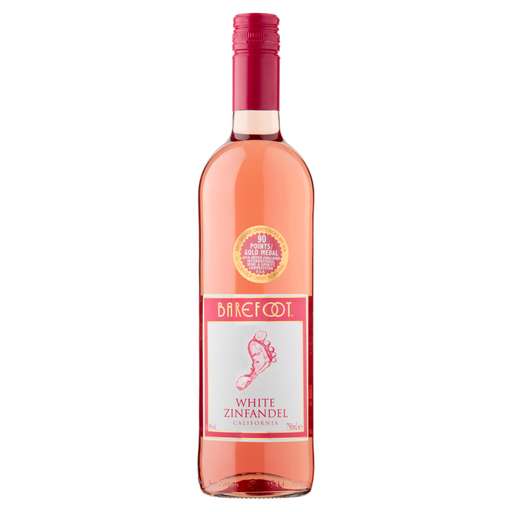
Why This Fits Their Persona: An 8% ABV, 75cl option for shoppers who prefer a lighter, fruit-led wine for casual meals, snacks and relaxed evenings at home.
Its ABV, net quantity and sulphite information are clearly provided, helping you compare the bottle on practical details rather than presentation alone.
8% ABV; 75cl bottle; suitable for serving chilled and keeping for informal home use.
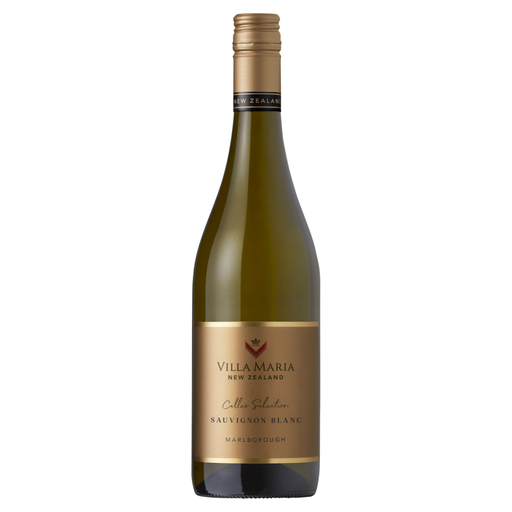
Why This Fits Their Persona: A New Zealand Sauvignon Blanc with listed herbal, grapefruit and honeydew melon notes for shoppers seeking a more characterful white wine with dinner.
The grape, region, ABV and serving information are stated, making it easier to assess style and strength before purchase.
13% ABV; Marlborough, New Zealand origin; suitable for pairing with food and serving chilled.
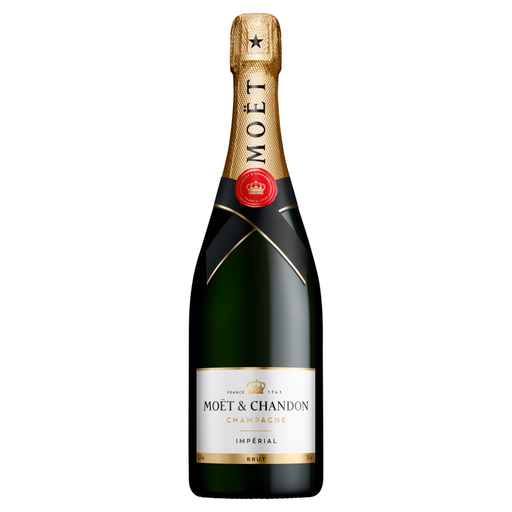
Why This Fits Their Persona: A 12% ABV Champagne in a standard 75cl format for toasts, formal dinners, anniversaries and wine gifts.
The listing identifies the Champagne region, grape blend, ABV and storage guidance, rather than relying only on luxury positioning.
750ml bottle; Pinot Noir, Pinot Meunier and Chardonnay blend; recommended serving with varied dishes.
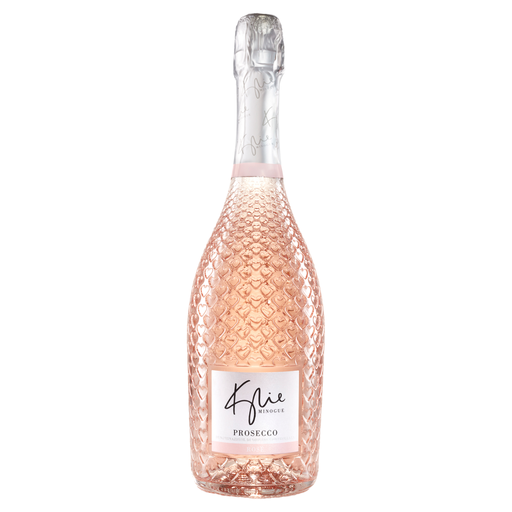
Why This Fits Their Persona: An Italian Prosecco Rosé made with Glera and Pinot Noir, suited to brunch, informal celebrations and sharing at home.
The product details identify the wine as Prosecco Rosé, provide its 11% ABV and list sulphites, helping separate style from promotional language.
75cl bottle; 11% ABV; strawberry, raspberry and floral tasting notes listed by the product information.
Before paying, confirm the delivery area, delivery charge, estimated arrival window and age-verification process. If the wine is intended as a gift, check whether someone aged 18 or over must be available to receive it.
For storage, most everyday wine should be kept away from direct sunlight and heat. Chill white wine, rosé wine and sparkling wine before serving. After opening, reseal and refrigerate where the product guidance recommends it, then consume within the stated period for freshness.
If you are comparing affordable wine with premium wine, compare like for like: bottle size, ABV, origin, grape variety, pack quantity and intended use. A lower-priced 75cl bottle may be suitable for a weekday meal, while a case or Champagne may make more sense for entertaining or gifting.
We have compiled a complete, real-time list of products that fully satisfy these strict selection criteria and UK safety regulations.
Yes, alcohol may be purchased online by adults aged 18 and over, subject to the retailer’s age-verification and delivery procedures. You may need to provide proof of age when ordering or receiving the parcel.
Match the weight and flavour of the food. Sauvignon Blanc or Pinot Grigio can suit seafood, salads and lighter dishes. Merlot may work with pasta, grilled food or soft cheeses. Sparkling wine can be served as an aperitif or alongside lighter appetisers.
Storage varies by style and product. Reseal still wine and refrigerate it after opening where appropriate. Many product listings recommend drinking still wines within two to five days, while opened sparkling wine is generally more enjoyable within one to three days when kept with a suitable stopper. Always follow the product label and consume responsibly.