
24/7 Customer Support

Free returns

Same-day & Next-day Delivery

Quality Guaranteed

Unlock Your Welcome Offers: FREE Delivery | Up to 80% OFF | Free 30-day JoyPlus trial
Download the APP
Buying wine online in the UK gives you access to red wine, white wine and rosé wine from France, Australia, Italy, Chile and beyond. However, a large selection can make it difficult to compare bottles sensibly. Attractive labels and vague tasting language do not always tell you whether a wine suits your meal, storage space or budget.
This guide from the Joybuy Product Recommendation Officer focuses on practical checks, useful wine terminology and a selection of bottles for different drinking occasions.
A familiar region does not automatically indicate the flavour profile you want. Bordeaux wine may be structured and fruit-led, while a Languedoc red can be lighter and more immediately approachable. Similarly, Australian wine styles can range from soft, fruit-forward blends to fuller Cabernet Sauvignon and Shiraz.
Look at the grape variety, alcohol percentage and serving guidance alongside the region.
Descriptions such as “smooth”, “rich” or “refreshing” are useful starting points, but taste is personal. A full-bodied red may suit grilled meat but feel too powerful with delicate fish. A crisp Sauvignon Blanc may work well with seafood, yet be less suitable for a rich, creamy dish.
Use tasting notes to identify likely characteristics rather than expecting a guaranteed drinking experience.
Most wine 75cl bottles provide around six 125ml glasses, although actual servings vary. Check the ABV, bottle units and sulphite information before ordering. UK wine listings should also state statutory age restrictions, and alcohol must only be purchased and consumed by adults aged 18 or over.
For responsible drinking, the UK Chief Medical Officers advise that adults should not regularly exceed 14 units of alcohol per week.
The grape is often more useful than the front label when comparing similar bottles:
Blends can offer balance between fruit, acidity and tannin. For example, a Bordeaux-style blend may combine Merlot with Cabernet Sauvignon.
Alcohol content affects both flavour and portion planning. A 13% ABV 75cl bottle contains approximately 9.75 UK units, while a 14.5% bottle contains around 10.9 units. Always check the product label because figures can vary by vintage and bottling.
As a general serving guide:
Serving a red wine slightly cool can make fruit flavours feel fresher, while over-chilling can mute aroma.
Choose the bottle around the occasion rather than buying several similar styles. Fresh Sauvignon Blanc can work with seafood, goat’s cheese and salads. Pinot Noir is a useful option for salmon, duck and mushroom dishes. Fuller Cabernet Sauvignon or Bordeaux wine can complement roast beef, lamb and mature hard cheese.
Unopened bottles should generally be kept in a cool, dark place away from sunlight and strong odours. After opening, re-cork the bottle and refrigerate where appropriate. Most everyday wines are made for drinking relatively young rather than long-term storage.
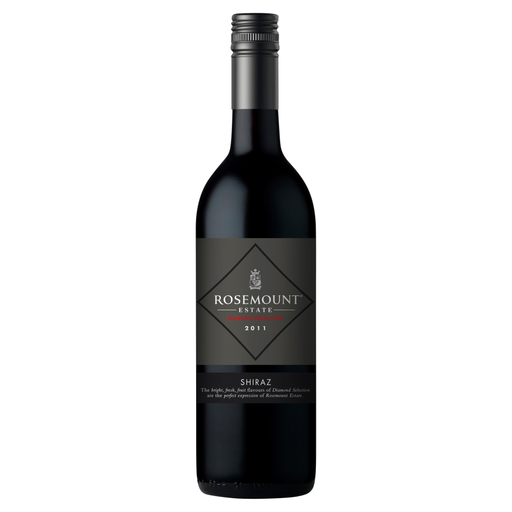
Why This Fits Their Persona: A straightforward Australian Shiraz for shoppers building an everyday wine selection for pasta, grilled meat or informal sharing plates.
The listing provides a clear 14.0% ABV, approximately 10.5 units per bottle and a suggested 16–18°C serving temperature.
Medium-bodied style with plum, blackberry and subtle spice notes; suitable for vegetarians and vegans.
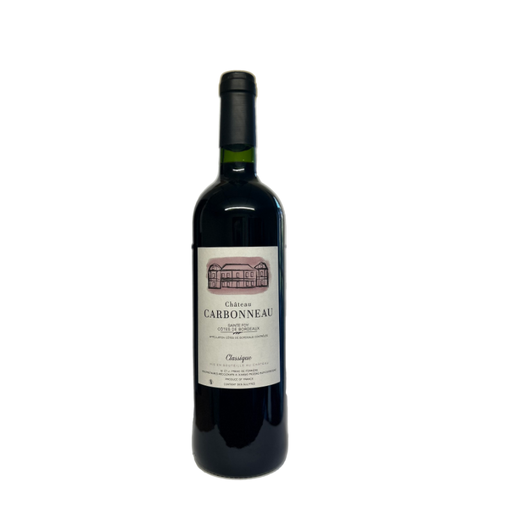
Why This Fits Their Persona: A French red for dinner hosts who want a Bordeaux-region bottle with a traditional blend and a more structured profile.
The product information identifies Merlot and Cabernet Sauvignon rather than relying only on regional branding.
Black fruit, vanilla and coffee notes with a listed 14.5% ABV; pairs with lamb, beef and mature cheese.
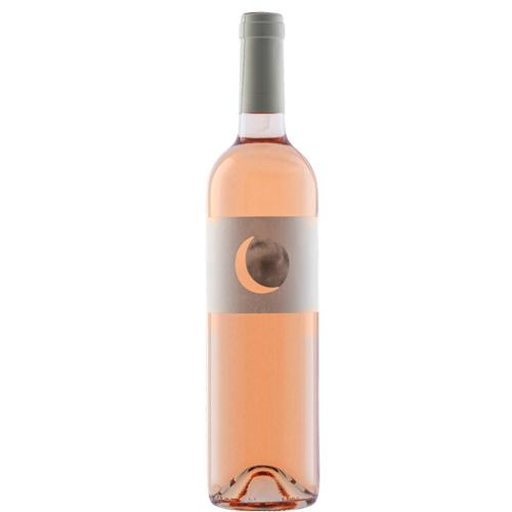
Why This Fits Their Persona: A chilled French rosé for summer lunches, seafood meals, picnics and mixed gatherings where a lighter style is useful.
The listing gives a 12% ABV, approximately nine units per bottle and a specific 6–8°C serving range.
Strawberry, raspberry and citrus notes; suitable for vegetarians and vegans and designed for chilled serving.
We have compiled a complete, real-time list of products that fully satisfy these strict selection criteria and UK safety regulations.
Before completing your basket, check the delivery area, dispatch information and age-verification requirements. Someone aged 18 or over may need to accept the order, depending on the courier process. If ordering several bottles, compare the total price per bottle rather than focusing only on the headline discount.
For gifting, choose a style with broad food compatibility and check that the recipient enjoys red, white or rosé wine. A French Pinot Noir, Bordeaux blend or Australian Shiraz can make a suitable dinner gift, while Sauvignon Blanc or Provence-style rosé may be more practical for lighter meals.
Use a retailer that provides clear product information, age restrictions, alcohol content, allergens and responsible-drinking guidance. Alcohol purchases are restricted to people aged 18 and over, and delivery may involve age verification.
A 75cl bottle contains approximately six 125ml glasses. Larger pours reduce the number of servings and increase the units consumed per glass, so checking the stated units is useful when planning an occasion.
Not necessarily. A cool room temperature of around 15–18°C is often more suitable than a warm room. Lighter reds such as Pinot Noir may benefit from being served slightly cooler, while fuller reds can be served closer to 18°C.