Joybuy Insights

How to Buy Wine and Spirits Online in the UK Without Costly Mistakes

Navigating the world of online off-licences offers incredible convenience and choice, from everyday bottles to special occasion champagne delivery. However, the sheer volume of options can be overwhelming, and it's easy to fall into common traps that lead to disappointing purchases. Many shoppers find themselves with a case of underwhelming wine or paying more than they expected.

As the Joybuy Product Recommendation Officer, my role is to help you sidestep these issues. We'll look past the marketing jargon and focus on what truly matters. Here are a few frequent pitfalls to be aware of when you buy wine and spirits online:

  • The "Mystery Mixed Case" Gamble: These deals can seem like great value, but they are often a way for retailers to clear slow-moving or end-of-line stock. You might end up with several bottles you simply don't enjoy, making the overall cost per enjoyable bottle quite high.
  • Misleading Regional Hype: A label might prominently feature a famous region like Rioja or the Rh?ne Valley, but the wine itself could be a basic table wine from the wider area, lacking the specific character and quality of a designated appellation.
  • The Hidden Delivery Cost: An attractively low price on a bottle of gin or your favourite red wine can quickly become less appealing when a hefty delivery fee or a high minimum spend is added at the final stage of checkout.

By understanding a few core principles, you can shop with confidence and ensure your next alcohol delivery UK order is filled with choices you'll genuinely appreciate.

Core Factors to Check Before You Buy

To make informed choices, focus on a few key details on the product page. These objective markers are far more reliable than flashy descriptions.

1. Decode the Label: Grape, Region and Quality Tier

The label is your guide to what's inside the bottle. Understanding it is key to finding a wine that suits your taste.

  • Grape Variety: This is the foundation of the wine's flavour. If you know you enjoy the bold, dark fruit notes of a Malbec or the smooth, plummy character of a Merlot, you can search for those specifically. For white wine lovers, a crisp, zesty Sauvignon Blanc offers a very different experience from a richer Chardonnay.
  • Region and Appellation: Where the grapes are grown has a huge impact. A Rioja from Spain has a distinct profile, often with notes of red cherry and vanilla from oak ageing. French wines often carry an Appellation d'Origine Contr?lée (AOC) designation, like C?tes du Rh?ne, which guarantees the wine was produced in a specific area according to strict rules, ensuring a certain standard of quality.
  • Quality Designations: Look for terms like "Reserva" on Spanish wines, which indicates a longer ageing period than a younger "Crianza," often resulting in more complexity. For white wines, "Sur Lie" ageing (as seen in Muscadet) means the wine has been left on its lees (residual yeast particles), which can add texture and depth.

2. Practical Details: ABV, Units and Vintage

Beyond taste, a few practical details are crucial for responsible enjoyment and planning.

  • Alcohol by Volume (ABV): This percentage tells you the strength of the drink. A lighter-bodied white wine might be around 11-12.5% ABV, while a full-bodied red like an Australian Shiraz can be 14% or higher. This affects not only the "kick" but also the overall body and flavour profile of the wine.
  • UK Units: Reputable online retailers will state the number of UK units per bottle or serving. This is essential information for tracking your consumption and drinking responsibly, in line with the UK Chief Medical Officers' guidelines.
  • Vintage: The year the grapes were harvested can be important, especially for fine wines intended for ageing. For most everyday red, white and rosé wine, a recent vintage (within the last 1-3 years) is usually a sign of freshness.

Our Top Product Recommendations

To help you apply these principles, we've matched some reliable choices to common UK shopper profiles. These selections are based on their objective qualities and suitability for specific occasions.
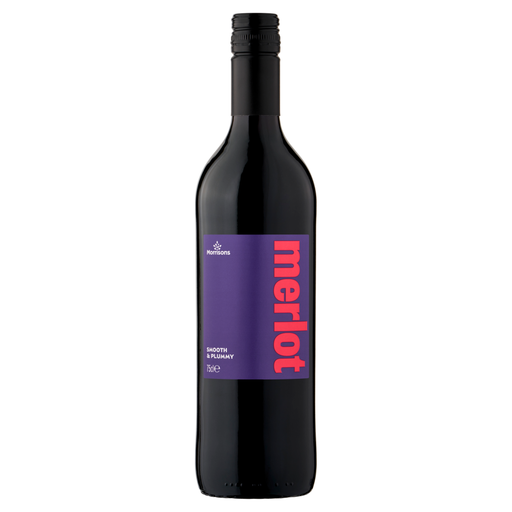
MATCH FOR: The Weeknight Dinner Companion
Morrisons Merlot 75cl

Morrisons Merlot 75cl

Why This Fits Their Persona: This is for the person who wants a dependable, no-fuss red wine to go with a Tuesday night spaghetti bolognese or a Friday pizza. They value consistency and good value over complex tasting notes.

How It Avoids the Trap

It sidesteps the "mystery case" gamble by being a known quantity. You know you're getting a smooth, easy-drinking Merlot every time, rather than a random assortment of bottles.

Key Advantage & Pros

Its main advantage is its reliable, smooth profile with soft blackberry fruit notes. It's a versatile food wine that doesn't require any guesswork.
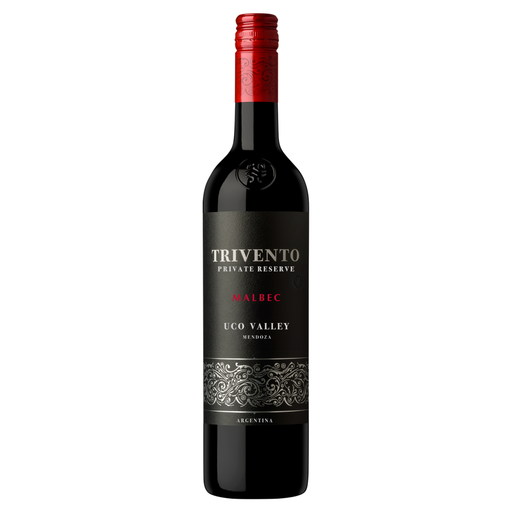
MATCH FOR: The Dinner Party Host
Trivento Private Reserve Malbec 75cl

Trivento Private Reserve Malbec 75cl

Why This Fits Their Persona: This is for the host planning a dinner party or a weekend barbecue. They need a crowd-pleasing red wine that pairs well with grilled meats or pasta and feels a little more special than an entry-level bottle.

How It Avoids the Trap

It avoids the misleading label trap. This is a Malbec from Mendoza, Argentina—a region renowned for this grape. You are getting the authentic character and quality associated with its origin.

Key Advantage & Pros

It offers a well-balanced and expressive profile that is versatile enough for many dishes. It's a reliable choice for entertaining that consistently delivers on quality.
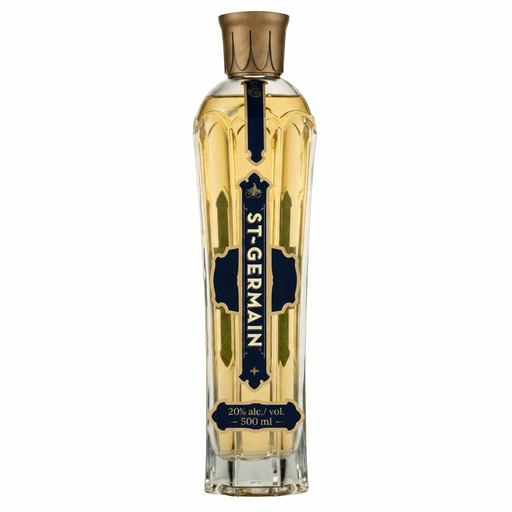
MATCH FOR: The Aspiring Mixologist
St Germain, 50cl

St Germain, 50cl

Why This Fits Their Persona: This is for the home cocktail enthusiast looking to elevate their drinks. They want to create popular serves like the Hugo Spritz or add a sophisticated floral note to their gin and tonics.

How It Avoids the Trap

It prevents the mistake of buying a generic, artificially flavoured syrup. St-Germain is a high-quality French liqueur made from handpicked elderflowers, providing an authentic and delicate flavour.

Key Advantage & Pros

Its key advantage is its versatility and artisanal quality. The notes of pear, citrus and honeysuckle make it a unique and essential ingredient for a wide range of refreshing cocktails.
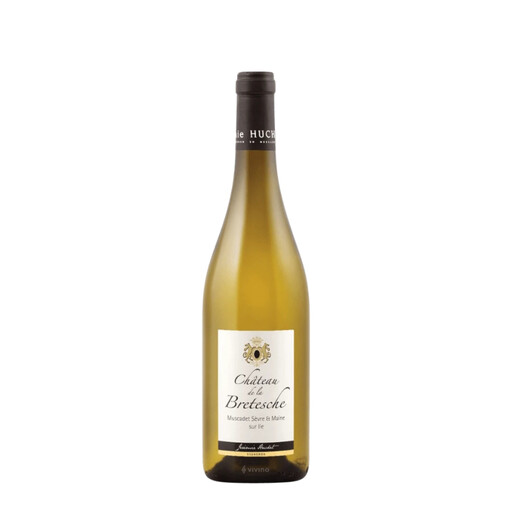
MATCH FOR: The Seafood Supper Seeker
Muscadet Sevre Et Maine Sur Lie 23 Bretesche 75cl

Muscadet Sevre Et Maine Sur Lie 23 Bretesche 75cl

Why This Fits Their Persona: This is for someone planning a meal with fish or shellfish, especially oysters. They want a classic, crisp white wine with enough acidity and minerality to complement the food without overpowering it.

How It Avoids the Trap

It avoids the trap of picking a generic, flabby white wine. The "Sur Lie" designation guarantees a production method that adds texture and complexity, while the Muscadet Sèvre et Maine AOC ensures its crisp, mineral-driven character.

Key Advantage & Pros

Its key advantage is its classic pairing profile. The crisp acidity, citrus notes and distinct saline minerality make it an ideal partner for all kinds of seafood.

Looking for More Options?

We have compiled a complete, real-time list of products that fully satisfy these strict selection criteria and UK safety regulations.

Frequently Asked Questions

What is a reasonable price for alcohol delivery in the UK?

Delivery costs can vary significantly. Some retailers offer free delivery over a certain spend (e.g., ?50-?100), while others have a flat fee, typically ranging from ?5 to ?8 for standard delivery. Always check the delivery terms before you commit to a purchase to avoid surprises. Some services also offer subscription models that include "free" delivery.

How long does wine last after being opened?

Once opened, a wine's exposure to oxygen begins to change its character. As a general rule:

  • Sparkling wine: Loses its fizz quickly. Use a proper stopper and consume within 1-2 days.
  • Light white and rosé wine: Can last 3-5 days in the fridge if sealed with a cork or screwcap.
  • Full-bodied red wine: Can last 3-5 days in a cool, dark place, sealed. Some robust reds can even evolve pleasantly over the first day.
  • Fortified wine (e.g., port wine): Due to higher alcohol content, these last much longer. A Ruby Port can last a couple of weeks after opening if stored correctly.

What is the difference between Rioja Crianza, Reserva and Gran Reserva?

These terms refer to the minimum ageing requirements for Rioja wines, which dictates their style.

  • Crianza: The youngest of the three. It must be aged for at least two years, with a minimum of one year in oak barrels. These are typically fresh, fruit-forward and great for everyday drinking.
  • Reserva: A step up in quality and complexity. It must be aged for at least three years, with a minimum of one year in oak. Reservas offer a balance of fruit and savoury notes from the oak.
  • Gran Reserva: Produced only in exceptional vintages. It requires at least five years of ageing, with a minimum of two years in oak. These are the most complex and long-lived Riojas, with developed notes of spice, leather and dried fruit.