
24/7 Customer Support

Free returns

Same-day & Next-day Delivery

Quality Guaranteed

Unlock Your Welcome Offers: FREE Delivery | Up to 80% OFF | Free 30-day JoyPlus trial
Download the APP
Buying wine online in the UK can be convenient, but an attractive label or discount does not always tell you what is inside the bottle. The most suitable choice depends on flavour, alcohol content, bottle size, occasion, storage and delivery requirements.
Whether you are looking for red wine, white wine, rosé wine, sparkling wine, sweet wine or alcohol-free wine, checking a few practical details can help you avoid paying for a format or style that does not suit your plans.
A stylish bottle may look suitable for a dinner party or gift, but packaging does not indicate whether the wine is dry, sweet, light-bodied or full-bodied. For example, White Zinfandel is generally associated with fruity, approachable flavours, while Cabernet Sauvignon and Shiraz usually offer a deeper red-wine profile.
Always check:
A 75cl wine bottle is a common household format, but it may not be practical for a single drinker or a short occasion. Mini wine bottles, such as 187ml formats, can reduce opened-bottle waste. Conversely, a 1.5L wine or larger wine cases may be more suitable for entertaining, provided you have enough storage and expect to serve several people.
Compare the price per 75cl equivalent, not only the headline price. A case deal may offer convenience, but it is only economical if you are likely to use the bottles before their recommended consumption period.
ABV alone does not show how much alcohol is in the complete bottle. In the UK, units are calculated as:
ABV × volume in millilitres ÷ 1,000 = UK alcohol units
A 75cl bottle at 13% ABV contains approximately 9.75 units. A 187ml bottle at 13.5% ABV contains approximately 2.5 units. Product pages should also make age restrictions, allergens and responsible-drinking information clear.
All alcoholic wine purchases are restricted to customers aged 18 and over. The UK Chief Medical Officers advise that adults should not regularly exceed 14 units per week. Alcohol should be avoided during pregnancy, and consumers should never drink and drive.
Choose the format around the occasion:
A product description should provide more than a colour category. Look for specific flavour information and serving suggestions.
Check whether the wine should be stored at room temperature, in a cool dark place or refrigerated after opening. Most opened wines are best consumed within a few days, although the product label takes priority. Some larger formats state a longer post-opening period when refrigerated, but this does not mean the flavour will remain unchanged indefinitely.
Also check for sulphites, a legally declared allergen on many wines. Vegetarian or vegan suitability should be confirmed from the product information rather than assumed from the grape variety.
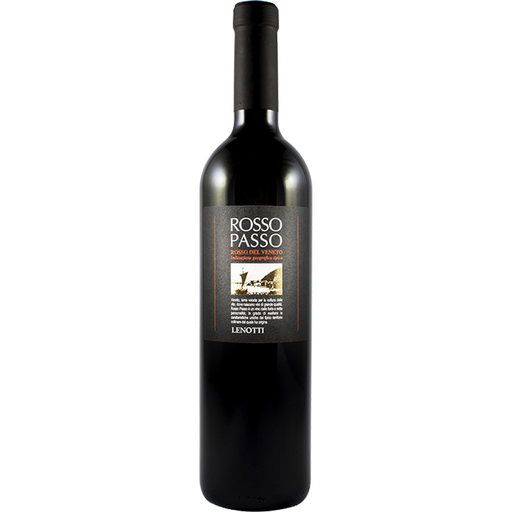
Why This Fits Their Persona: This 75cl Italian red wine offers a straightforward option for weeknight meals, casual hosting and shoppers comparing affordable wine online.
The listing identifies the region, grape ingredients, approximate 12.5% ABV and serving guidance, rather than relying only on general promotional language.
Smooth red-fruit description; suitable for vegetarians and vegans according to the listing.
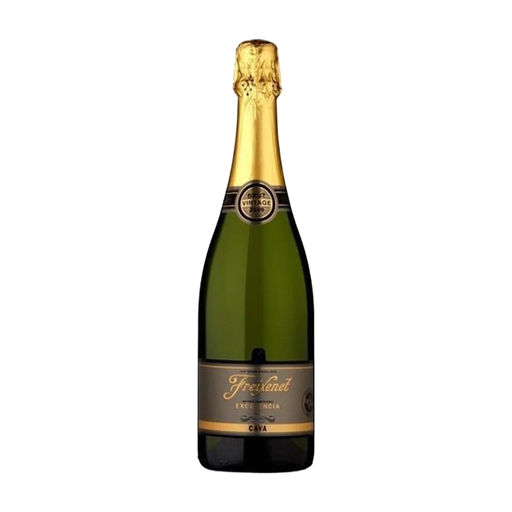
Why This Fits Their Persona: A Spanish cava in a standard 75cl bottle for celebrations, dinner-party serving or wine gifts where traditional-method production is a useful point of comparison.
The listing gives the sparkling style, Spanish origin, approximate ABV and traditional-method description, helping shoppers assess more than the appearance of the bottle.
Brut style; listed as suitable for vegetarians and vegans.
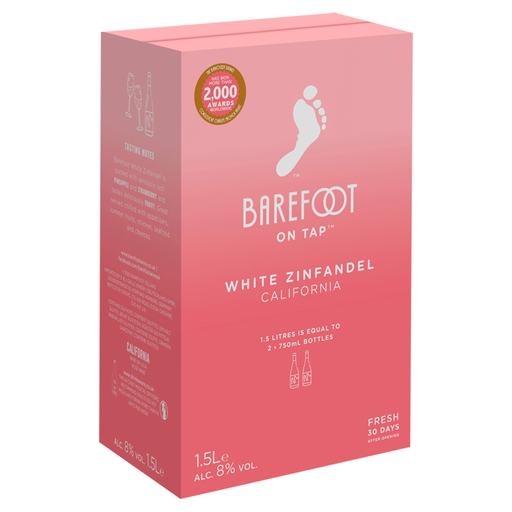
Why This Fits Their Persona: The 1.5L format is designed for sharing, gatherings and shoppers who want a larger quantity without opening several standard bottles.
The listing clearly states the 1.5L capacity, 13% ABV, storage instructions and a stated refrigerated period after opening.
Fruity pineapple and strawberry notes; suitable for chilled sharing and multiple servings.
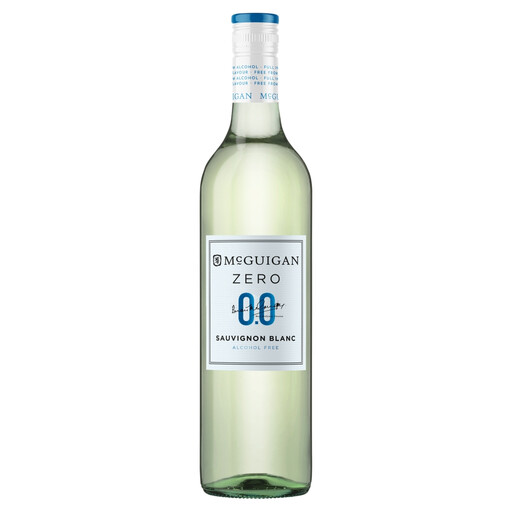
Why This Fits Their Persona: A 0.0% ABV Sauvignon Blanc for alcohol-free occasions, weekday meals or guests who prefer not to drink alcohol.
The listing specifies 0.0% ABV, ingredients, sulphite information and post-opening refrigeration guidance.
Citrus and passionfruit flavour descriptions; 19 kcal per 100ml according to the listing.
We have compiled a complete, real-time list of products that fully satisfy these strict selection criteria and UK safety regulations.
Online prices vary by bottle, case size, delivery charges and promotions. Compare the total basket cost, price per 75cl equivalent and alcohol units rather than assuming a case or large format offers better value.
Keep unopened bottles according to the product label, generally away from direct sunlight and heat. Refrigerate white wine, rosé wine and sparkling wine before serving where appropriate. After opening, reseal and refrigerate, then follow the stated consumption guidance.
No. Alcohol products are restricted to adults aged 18 and over. Delivery services may request age verification, so ensure the recipient can provide valid proof of age when required.