
24/7 Customer Support

Free returns

Same-day & Next-day Delivery

Quality Guaranteed

Unlock Your Welcome Offers: FREE Delivery | Up to 80% OFF | Free 30-day JoyPlus trial
Download the APP
Shopping for wine online should make comparison easier, but attractive labels and vague descriptions can make it difficult to judge value. Whether you want red wine for a Sunday roast, white wine for seafood, rosé wine for a garden gathering or Champagne for a gift, the bottle that looks most impressive is not always the most suitable choice.
This guide explains what to check before you buy wine online in the UK, including bottle size, grape variety, alcohol content, origin, serving advice and value. It also highlights practical options for different shopping needs.
A familiar label can be reassuring, but the grape variety, country of origin and alcohol percentage tell you more about what is in the bottle. A Sauvignon Blanc is generally associated with fresh, citrus-led flavours, while Merlot is commonly selected for a softer red wine style. These are useful starting points, but regional climate and winemaking methods also affect the final character.
Read the product description and technical information rather than relying solely on phrases such as “smooth”, “premium” or “luxurious”. These terms can be subjective and may not explain whether the wine suits your meal or personal taste.
Most standard wine bottles contain 75cl, while smaller formats such as the 187ml Casillero Del Diablo Reserva Cabernet Sauvignon are useful when you want a single serving or wish to avoid opening a full bottle.
A six-bottle wine case may offer a lower cost per bottle, but only if you are likely to enjoy the same style repeatedly. Check the net content, price per bottle and storage space before choosing a case. A mixed selection can be more practical for households with varied preferences.
Alcohol percentage affects both taste and total units. For example, a 75cl bottle at 12% ABV contains approximately 9 UK units, although the precise figure depends on the wine’s alcohol content. Product pages should also identify sulphites, which are common allergens in wine.
UK adults are advised not to regularly exceed 14 units per week. Alcohol should be avoided during pregnancy, and consumers should never drink and drive. Always check the label or product page for the latest information, as packaging details can vary.
Use grape variety as a guide to style:
A grape name is not a guarantee of a particular taste, so also check the country and region.
Country of origin can help narrow your options. Chilean wine often provides a broad selection of approachable reds and whites, including Central Valley Sauvignon Blanc and Merlot. French wine covers a wide range of regional styles, from lighter everyday bottles to structured blends. Italian wine includes sparkling wines such as Asti and rosé styles from Veneto.
For bright, aromatic whites, consider New Zealand wine, particularly Sauvignon Blanc from Marlborough. South African wine, including Chenin Blanc and Viognier-based blends, can offer fruit-led styles with varied textures. The region is more informative than a country name alone, so look for details such as Marlborough, Champagne, Elgin or the Central Valley where provided.
Check the ABV, bottle size and recommended serving temperature before ordering. White wine, rosé wine and sparkling wine are generally served chilled, while many red wines are served closer to room temperature. Product guidance may specify a range, such as 18–20°C for a fuller red or 6–8°C for sparkling rosé.
For sweet wine, a smaller bottle can be practical. The Morrisons The Best Botrytis Semillon 375ml format is designed for smaller pours, after-dinner occasions or pairing with desserts and blue cheese.
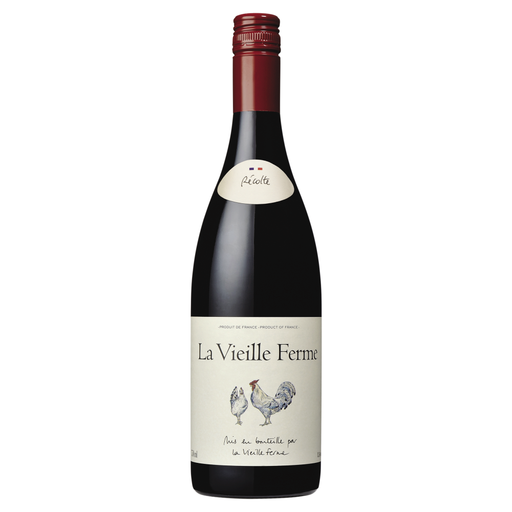
Why This Fits Their Persona: A standard 75cl French red wine bottle for shoppers building an everyday drinks selection without moving immediately to a multi-bottle case.
The listing identifies the 75cl format, 13% alcohol content and sulphites, helping shoppers compare practical specifications rather than label language alone.
French origin; suitable for pasta, grilled dishes and sharing plates according to the product information.

Why This Fits Their Persona: A 75cl Champagne bottle from the Champagne region, appropriate for milestone celebrations, formal entertaining and wine gifts.
The listing clearly identifies Champagne origin, 12% alcohol content and sulphites, rather than presenting sparkling wine as an interchangeable category.
French Champagne classification; non-vintage format; 75cl bottle suitable for sharing.
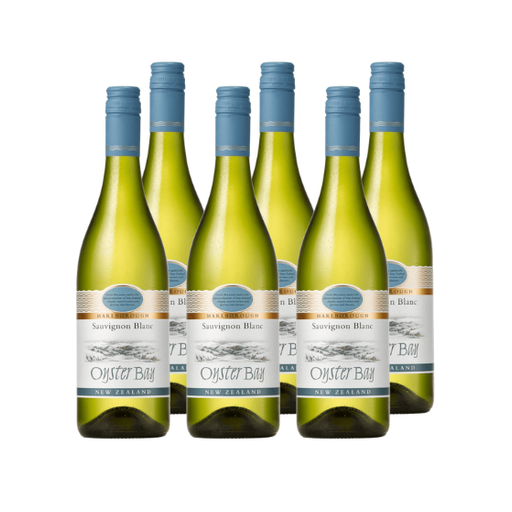
Why This Fits Their Persona: A six-bottle case for regular entertaining, planned dinners or households that already know they enjoy New Zealand Sauvignon Blanc.
The case quantity and 75cl bottle size are stated clearly, making it easier to calculate total volume, storage needs and cost per bottle.
Six 75cl bottles; Marlborough, New Zealand origin; 12.5% alcohol content; best served chilled.
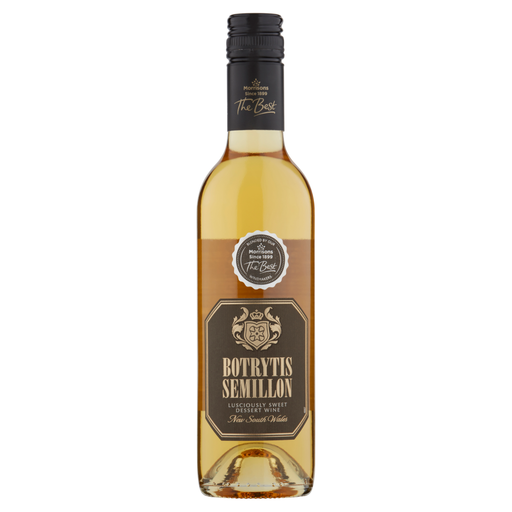
Why This Fits Their Persona: The smaller bottle format suits after-dinner servings, dessert pairings and shoppers who do not want to open a full 75cl bottle.
The 375ml capacity and 11% ABV are visible product specifications, helping you avoid buying more wine than the occasion requires.
Sweet wine style; Australian origin; suitable for pairing with desserts or blue cheese; smaller 375ml format.
We have compiled a complete, real-time list of products that fully satisfy these strict selection criteria and UK safety regulations.
A wine case can reduce the cost per bottle, but compare the full basket price, delivery charges and storage requirements. A six-bottle case is more practical when you already know the style suits your household.
Keep unopened bottles in a cool, dry place away from direct sunlight and heat. Follow the product label for specific guidance. Once opened, reseal white, rosé and sparkling wine where possible and refrigerate; check the product information for recommended consumption time.
No. Alcohol sales and delivery in the UK are restricted to people aged 18 and over. Age verification may be required when ordering or receiving the parcel. Always consume responsibly and follow current UK health guidance.