
24/7 Customer Support

Free returns

Same-day & Next-day Delivery

Quality Guaranteed

Unlock Your Welcome Offers: FREE Delivery | Up to 80% OFF | Free 30-day JoyPlus trial
Download the APP
When you buy wine online UK shoppers can compare a much wider selection than they may find on a supermarket shelf, from everyday red wine and white wine to Champagne, Prosecco, Cava and alcohol-free sparkling wine. However, a larger range also makes it easier to choose based on attractive packaging or vague tasting language rather than useful product information.
A practical buying decision should focus on the bottle’s style, alcohol content, size, origin and intended occasion. Whether you need wine for dinner, a bottle for hosting or wine gifts, these checks can help you avoid paying for a product that does not suit your preferences.
A premium-looking label does not necessarily indicate a flavour profile you will enjoy. Words such as “smooth”, “elegant” or “bold” can be subjective. Look for clearer details, including the grape variety, sweetness level, body, serving temperature and food-pairing suggestions.
For example, Merlot is often presented as soft and fruit-led, while Shiraz commonly offers a fuller-bodied profile. Chardonnay may be crisp and unoaked or richer and oak-influenced, so the production style matters as much as the grape name.
Most standard wine listings use a 75cl bottle, but alcohol strength varies considerably. A 75cl bottle at 14% ABV contains more alcohol than one at 11%, even if both are the same size. Check the listed ABV and UK units per bottle, particularly when buying several bottles for a gathering.
UK guidance states that adults should not regularly exceed 14 units per week. Alcohol is for adults aged 18 and over; drink responsibly, never drink and drive and avoid alcohol during pregnancy.
Wine can lose freshness if exposed to heat, sunlight or repeated temperature changes. Sparkling wine should generally be served chilled, while many full-bodied red wines are more suitable at a cool room temperature rather than warm indoor temperature.
After opening, reseal still wine and refrigerate it where the label advises. Sparkling wine usually benefits from a suitable stopper and prompt consumption while the bubbles remain lively.
Use grape variety as a starting point, not a guarantee. Consider these common categories:
Country of origin can help narrow your choice, but it should not replace the product specification. Australian wine may include fruit-forward Shiraz or Merlot, while Italian wine includes styles such as Prosecco, Asti and Chianti. French wine covers regions including Burgundy and Champagne and Spanish wine includes Cava and Sherry.
Protected designations such as DOCG, DOC, AOC or DO describe geographical and production requirements. They can provide useful context, but they do not automatically mean the flavour will match your preference.
For wine for dinner, consider the dish’s weight and flavour intensity:
Also check allergens. Wine commonly contains sulphites, which must be declared on the product information.
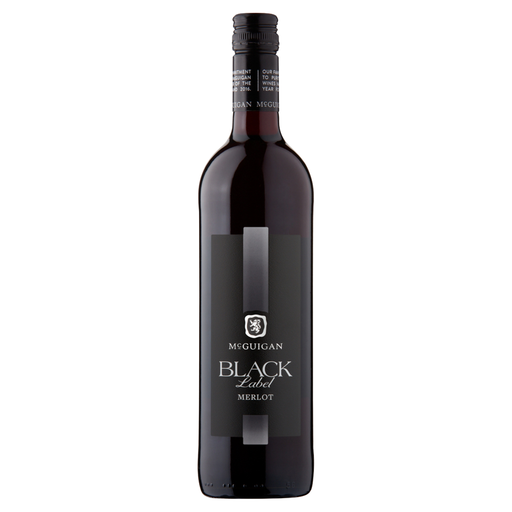
Why This Fits Their Persona: A 75cl Australian Merlot with 12.5% ABV, red-fruit, cherry and sweet-spice notes, suited to casual meals and everyday drinking.
The listing gives the grape variety, ABV, bottle size, tasting notes and food pairing instead of relying only on promotional wording.
Medium-bodied style; suitable for vegetarians and vegans; 9.4 UK units per bottle.
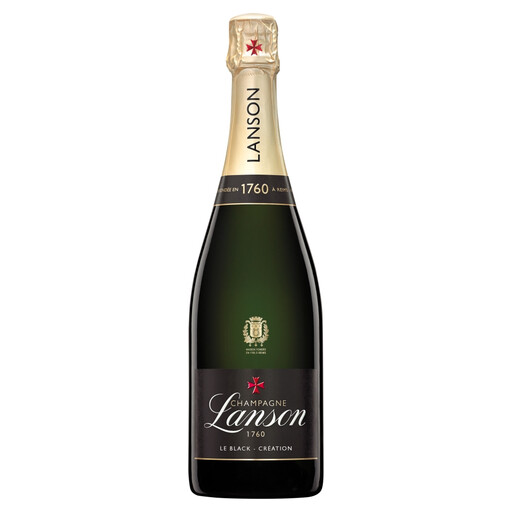
Why This Fits Their Persona: A French Champagne made from Pinot Noir, Pinot Meunier and Chardonnay, suitable for gifting, celebrations and seafood-led menus.
The listing identifies the protected Champagne region, Brut style, grape blend and serving guidance, making comparison more meaningful than packaging alone.
12% ABV; 9 UK units per bottle; suitable as an aperitif or with seafood and white meat.

Why This Fits Their Persona: A dealcoholised rosé sparkling drink with less than 0.5% vol, designed for alcohol-free hosting and celebratory occasions.
The alcohol level is stated as less than 0.5% vol rather than being presented as an unspecified “zero” drink.
Vegan certified; 20 kcal per 100ml; refrigerate after opening and consume within seven days.
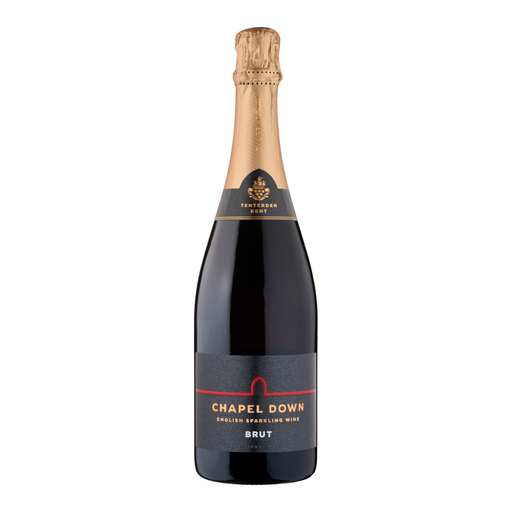
Why This Fits Their Persona: English sparkling wine with apple, citrus and strawberry notes, suitable for aperitifs, seafood and light dishes.
The product details specify traditional-method production, Brut style, serving advice and food compatibility.
12% ABV; 9 UK units per bottle; produced in the UK and served chilled.
We have compiled a complete, real-time list of products that fully satisfy these strict selection criteria and UK safety regulations.
A standard wine bottle contains 75cl, equivalent to 750ml. The number of servings depends on the pour size. A 125ml glass provides six servings per bottle, although larger pours will reduce the total.
Keep unopened bottles in a cool, dark place away from direct sunlight and heat. Follow the label instructions for upright or horizontal storage. Once opened, reseal still wine and refrigerate where advised; sparkling wine should be closed with a suitable stopper and consumed promptly.
Not always. Some dealcoholised products contain less than 0.5% alcohol by volume. Check the product listing and packaging for the exact ABV, ingredients and allergen information before purchasing.