
24/7 Customer Support

Free returns

Same-day & Next-day Delivery

Quality Guaranteed

Unlock Your Welcome Offers: FREE Delivery | Up to 80% OFF | Free 30-day JoyPlus trial
Download the APP
From hearty stews to vibrant salads, beans and pulses are the unsung heroes of the British pantry. They are economical, packed with nutrients and incredibly versatile. Yet, navigating the supermarket aisle can be surprisingly tricky. With so many options, it is easy to end up with a product that doesn't quite suit your needs, whether it's a can of mushy beans for a salad or a bag of dried pulses that takes an age to cook on a busy weeknight.
As the Joybuy Product Recommendation Officer, my role is to help you see past the marketing jargon and make informed choices. Let's look at a couple of common pitfalls that can lead to disappointment in the kitchen.
To ensure you're stocking your pantry with the right ingredients, focus on these core parameters. This will help you select the perfect beans and pulses for your cooking style and recipes.
The first decision is often the most important. There is no single "better" option; it all depends on your priorities.
Understanding the characteristics of different pulses is key to culinary success. Here are a few popular types and their common applications:
Whether you're buying dried or canned, a quick look at the packaging can be revealing. For canned products, the shorter the ingredient list, the better. If you are considering organic pulses, check for official certification on the packaging to ensure it meets the standards you expect. While organic can be a great choice, weigh its importance against the specific dish you are preparing. For a simple weeknight chilli, the difference may be less noticeable than in a delicate, bean-forward salad.
To help you choose, we have matched a few products from our selection to different home cook profiles.
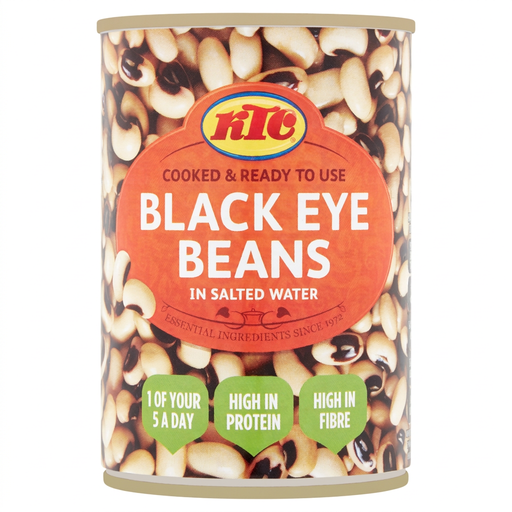
Why This Fits Their Persona: This is for the person who needs a healthy meal on the table quickly. These beans are cooked and ready to use, making them perfect for adding protein and fibre to weeknight salads, soups, or pasta sauces without any forward planning.
It directly solves the convenience vs. cost trap by prioritising speed. It eliminates the need for soaking and long cooking times associated with dried beans.
Ready to eat, high in protein and fibre and counts as one of your five a day. It makes healthy eating achievable on a tight schedule.
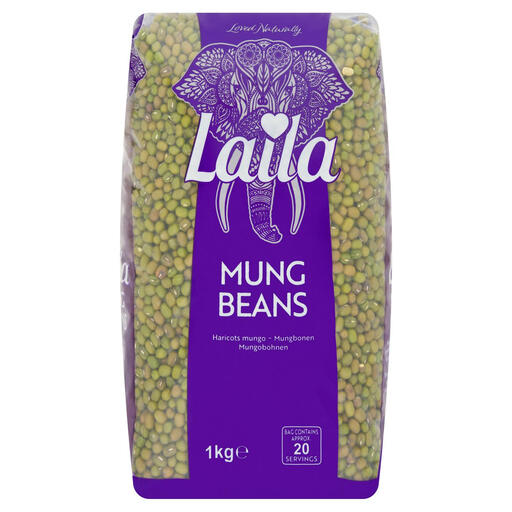
Why This Fits Their Persona: This user is organised, budget-conscious and enjoys cooking from scratch. A 1kg bag of dried mung beans offers excellent value and the flexibility to prepare large batches of curries, soups or even sprout them for salads.
By choosing dried beans, this cook gains maximum control over texture and seasoning, avoiding the higher per-serving cost and softer consistency of some canned alternatives.
Extremely economical and versatile. This one bag can be the base for numerous meals, from savoury Asian dishes to nutritious plant-based desserts.
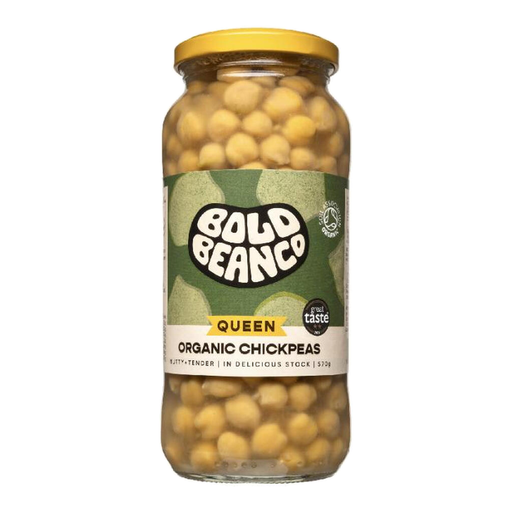
Why This Fits Their Persona: This cook values superior quality and flavour. These slow-cooked heirloom chickpeas are prized for their creamy, buttery texture and thin skins, offering a noticeable upgrade for dishes where the bean is the star, like hummus or a gourmet salad.
This product delivers a genuinely different eating experience compared to standard canned chickpeas, justifying its premium positioning with a demonstrably creamier texture and richer flavour.
Ready to eat and packed in flavourful bean stock (aquafaba) that can be used to thicken sauces. They are also certified organic.
For those moments when even the quickest can of beans feels like too much preparation, there are other ways to get nutritious vegetables onto your plate with minimal effort.
We have compiled a complete, real-time list of products that fully satisfy these strict selection criteria and UK safety regulations.
While not strictly necessary for all beans (like lentils and split peas), soaking most larger dried beans like kidney beans, chickpeas and black beans is highly recommended. Soaking rehydrates the beans, which significantly reduces cooking time and helps them cook more evenly. It can also make them easier to digest. A typical method is to soak them in cold water for 4-8 hours or overnight.
Both are healthy options and great sources of plant-based protein and fibre. The main nutritional difference is sodium. Canned beans often have salt added during processing, whereas with dried beans, you have full control over how much salt you add. You can mitigate this by buying low-sodium canned beans or by thoroughly rinsing standard canned beans before use, which can wash away a significant portion of the salt.
For leftover cooked beans (whether from a can or cooked from dried), transfer them to an airtight container and store them in the refrigerator. They will typically keep well for 3-4 days. You can also freeze cooked beans for longer-term storage. For uncooked dried beans, keep them in an airtight container in a cool, dark and dry place like a pantry. Stored this way, they can last for a year or more.