
24/7 Customer Support

Free returns

Same-day & Next-day Delivery

Quality Guaranteed

Unlock Your Welcome Offers: FREE Delivery | Up to 80% OFF | Free 30-day JoyPlus trial
Download the APP
The humble bean is a cornerstone of the British pantry. From a comforting plate of beans on toast to the rich aroma of freshly ground coffee beans, they are a versatile and essential part of our daily lives. Yet, the simplicity of the word "beans" hides a vast and often confusing market. With so many options, it's easy to fall into common purchasing traps, from paying a premium for little added value to accidentally buying the wrong type of bean altogether.
As the Joybuy Product Recommendation Officer, my role is to help you navigate this landscape. This guide will break down what really matters when selecting beans, helping you avoid the pitfalls and find the right product for your needs, whether you're stocking up on tinned food or exploring new culinary horizons.
baked beans for breakfast but find yourself looking at coffee beans, sweet red bean paste for desserts or even ceramic baking beans for pastry. Understanding the different categories is the first step to a successful purchase.To make an informed choice, you need to look past the front-of-pack claims and focus on a few key parameters.
The nutritional information panel is your most reliable tool. When comparing canned beans, always check the "Per 100g" column for a fair comparison.
healthy baked beans with reduced or no added sugar, often using sweeteners instead.For classic baked beans, the star of the show is the haricot bean. The quality of the final product, however, often comes down to the sauce. Check the ingredients list for the percentage of tomatoes—a higher percentage often indicates a richer, less watery sauce. Brands like Heinz beans and Branston beans have famously different sauce consistencies and flavour profiles, one often being smoother and sweeter, the other thicker and tangier.
It's essential to know what kind of bean you need:
tinned food like haricot beans in tomato sauce, kidney beans, chickpeas and lentils.red bean paste for desserts and pastries.To help you choose, we've matched some popular products to different household needs and preferences.

Why This Fits Their Persona: A reliable and cost-effective choice for family meals. The distinctive thick, tangy tomato sauce is a household favourite, perfect for everything from a full English breakfast to a quick jacket potato dinner.
This multipack offers excellent value, avoiding the trap of overpaying for "gourmet" brands that may not suit a family's palate or budget. It delivers a consistent, familiar taste that you can rely on.
High in protein and fibre, contributing to one of your 5-a-day. The rich, thick sauce has a higher tomato content (38%) and a flavour profile many UK families prefer.
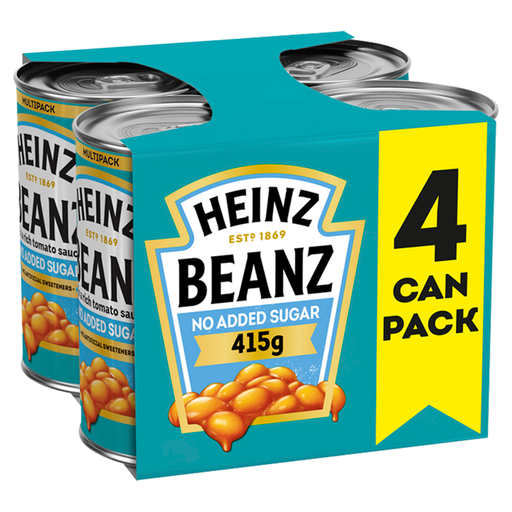
Why This Fits Their Persona: Ideal for anyone actively reducing their sugar and salt intake. It delivers the classic Heinz taste using a stevia-based sweetener, making it a straightforward swap for a healthier diet.
This product directly counters the "Healthy Halo Trap." It is transparent about its nutritional benefits, offering the same protein and fibre but with no added sugar and 25% less salt than the standard version.
Allows you to enjoy a classic comfort food while adhering to specific dietary goals. It contains just 1.9g of sugar per 100g, significantly lower than most standard options.
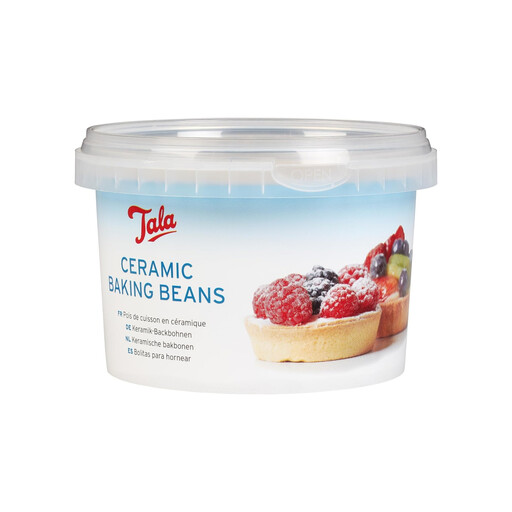
Why This Fits Their Persona: An essential, non-negotiable tool for anyone serious about pastry. These are for achieving a professional, crisp finish on pie crusts, tarts and quiches, taking the guesswork out of blind baking.
This product clears up the "Category Confusion" pitfall instantly. It's a purpose-built tool, not food. It's a sustainable, long-term investment that provides better results than using disposable dried rice or pulses.
Made from heat-resistant ceramic, they distribute heat evenly for a perfect bake. They are reusable, easy to clean and prevent pastry from shrinking or puffing up.
We have compiled a complete, real-time list of products that fully satisfy these strict selection criteria and UK safety regulations.
They can be. Baked beans are a good source of protein and fibre. However, it is important to check the label for sugar and salt content. Many brands now offer healthy baked beans with reduced sugar and salt, making them a more balanced option. Half a standard can typically counts as one of your 5-a-day.
Baking beans are not edible. They are small, reusable ceramic or metal weights used for a process called 'blind baking'. When making a pie or tart, you line the pastry case with parchment paper and fill it with these beans. This weighs the pastry down, preventing it from puffing up or shrinking during baking and ensuring a flat, crisp base for your filling.
The primary differences between brands like Heinz beans and Branston beans lie in the sauce. This includes the thickness (some use more starch), the sweetness and the overall flavour profile. Branston is often described as having a thicker, more tangy sauce, while Heinz is known for its classic, slightly sweeter tomato flavour. The bean-to-sauce ratio can also vary between brands.