
24/7 Customer Support

Free returns

Same-day & Next-day Delivery

Quality Guaranteed

Unlock Your Welcome Offers: FREE Delivery | Up to 80% OFF | Free 30-day JoyPlus trial
Download the APP
As a Joybuy Product Recommendation Officer, I often see families and friends looking to recapture the simple joy of gathering around a table for a good game. Board games offer a fantastic, screen-free way to connect. However, the market is flooded with options, and it's easy to make a purchase you later regret. Before you invest in your next game night, let's look at the common pitfalls that lead to a box gathering dust on the shelf.
The most frequent issues are not with the games themselves, but with the mismatch between marketing promises and reality. Here are two traps to watch out for:
To ensure your new purchase becomes a firm favourite, focus on these core parameters rather than just the theme or box art. Analysing these details will help you find the right fit for your group.
A game's box might say "2-6 players," but the experience can vary dramatically. Many party games are lacklustre with only two people, while some heavy strategy games become slow and cumbersome with too many.
Understanding a game's central mechanic is key to knowing if you'll enjoy it. This is the main action you'll be taking on your turn. Common types include:
A high price tag does not always guarantee quality. Flimsy cards, thin game boards and poorly moulded plastic pieces can detract from the experience and won't stand up to repeated play, especially with enthusiastic children. Look for details on card stock, wooden versus plastic components and the sturdiness of the board and box insert. For family games, durability is a non-negotiable feature.
Based on these practical criteria, here are a few recommendations matched to different types of players and households.
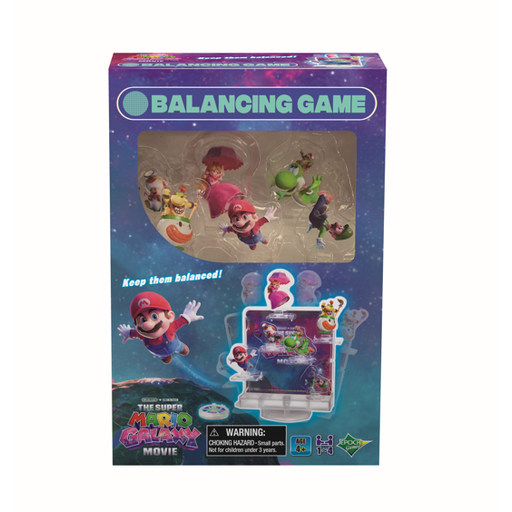
Why This Fits Their Persona: Perfect for UK families seeking a game that genuinely engages young children. The familiar characters and simple, physical challenge of balancing figures hold a child's attention far better than complex rules, making it an ideal first step into tabletop games.
It sidesteps the "misleading age rating" trap. The "Age 4+" rating is accurate, as the gameplay is intuitive (roll a die, place a figure) and requires no reading, making it truly accessible for pre-schoolers.
Develops fine motor skills and patience. The figures are also collectible and compatible with other games in the series, adding long-term value.
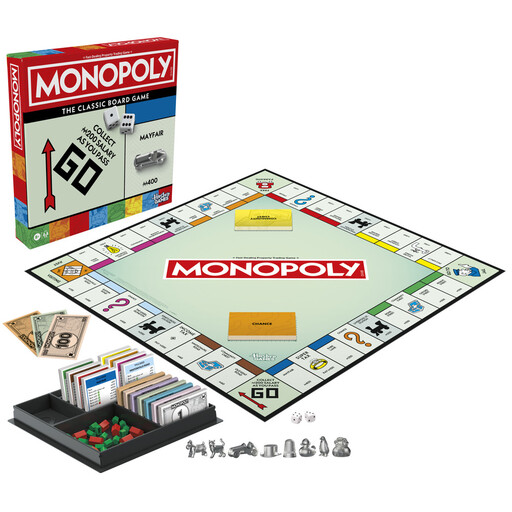
Why This Fits Their Persona: For those who want a guaranteed hit for a mixed-age family gathering. Everyone knows the rules (or can learn them in minutes), ensuring the game gets played rather than just explained. It's the reliable choice for a traditional game night.
It defies the "endless replayability" myth by offering familiarity instead. Its value comes not from novel mechanics but from the shared social experience and nostalgia, which is why it has remained a staple for decades.
Accessible to almost everyone and teaches basic money management and negotiation skills. The sturdy board and classic components are built for longevity.
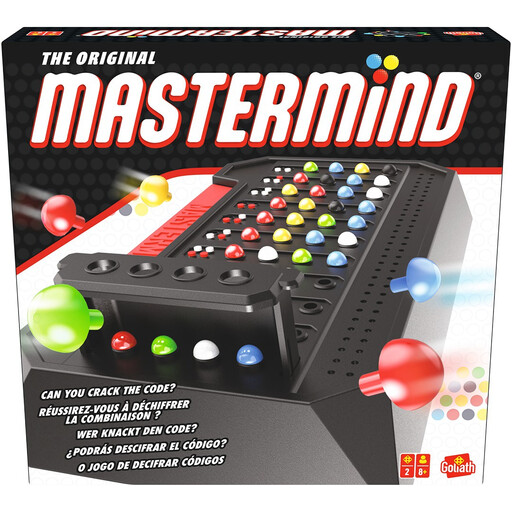
Why This Fits Their Persona: This is for the player who enjoys a quiet, intense battle of wits. It's a pure two-player logic and deduction game that is perfect for those who find dice-rolling and chance-based games unfulfilling. It's a mental workout disguised as a game.
Its replayability is inherent to its design. With thousands of possible code combinations, no two games are ever the same. The depth comes from improving your own deductive reasoning, not from added game components.
Enhances logical reasoning and problem-solving skills. The compact design and simple setup make it easy to play anywhere, and the rules can be taught in under a minute.
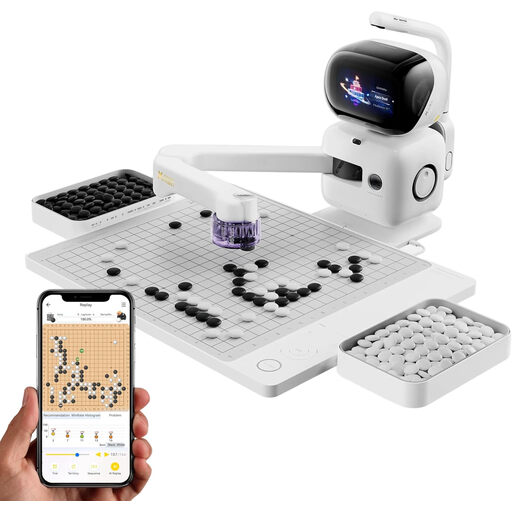
Why This Fits Their Persona: This is for the serious Go player or someone dedicated to mastering a deep strategy game. It provides a consistent, challenging opponent at any time of day, acting as a training partner to sharpen skills without needing a human opponent.
This is the antithesis of a flimsy, overpriced game. The investment is in advanced technology—a precision robotic arm and adaptive AI—that provides a tangible, high-quality function. It delivers on its promise of being a premium training tool.
Features 23 AI difficulty levels, adapting from beginner to beyond professional. The board can record and replay games for analysis, offering a powerful learning experience.
We have compiled a complete, real-time list of products that fully satisfy these strict selection criteria and UK safety regulations.
Proper storage is crucial. Keep boxes stored flat to prevent the lid from warping and components from getting crushed. For games with many cards, consider investing in card sleeves to protect them from spills and shuffling wear. Store games in a dry, cool place away from direct sunlight to prevent the board and pieces from fading or warping.
Not necessarily. A higher price can reflect several factors: intricate custom miniatures, licensed intellectual property (like a film or book series) or complex, high-quality components. While these can enhance the experience, they don't automatically guarantee better gameplay. Some of the most engaging and replayable tabletop games are affordable and use simple components. Focus on whether the game's mechanics and theme appeal to you, rather than using price as the sole indicator of quality.