
24/7 Customer Support

Free returns

Same-day & Next-day Delivery

Quality Guaranteed

Unlock Your Welcome Offers: FREE Delivery | Up to 80% OFF | Free 30-day JoyPlus trial
Download the APP
As a Joybuy Product Recommendation Officer, my role is to help you navigate the crowded shelves and make informed choices. The popularity of coconut water has exploded, but with so many options, it's easy to fall into common traps that lead to disappointment and wasted money. Before you add that carton to your basket, let's look at what really matters.
Many shoppers are caught out by three key issues: misleading labels that hide unwanted ingredients, confusion between very different types of coconut drinks and paying a premium for convenience. Understanding these pitfalls is the first step to finding the right product for your lifestyle, whether you need a post-workout drink or a simple, healthy refreshment.
The front of the carton might shout "100% Natural," but the ingredients list on the back often tells a different story. A common issue is coconut water made "from concentrate," a process that involves removing the water and then adding it back later. This can alter the taste and nutritional profile. Even more frequent is the addition of "fruit sugar" or other sweeteners, turning a healthy, natural hydrating drink into something closer to a sugary juice.
Are you buying coconut water, coconut milk or coconut juice with pulp? The terms are often used loosely, leading to confusion.
Buying coconut milk when you wanted a light electrolyte drink for the gym is a classic mistake that stems from this confusion.
Grabbing a single 330ml can on your way home from work is convenient, but the cost adds up. For regular drinkers, this habit can mean paying double or even triple the price per litre compared to buying in larger formats. The most economical way to stock your pantry is often with a coconut water multipack or by purchasing bulk coconut water in 1-litre cartons.
To avoid these traps, focus on the product details, not the marketing slogans. Here are the three most important parameters to analyse.
This is non-negotiable. The ideal ingredient list for pure coconut water should contain one thing: "100% Coconut Water". Be wary of anything with added sugars, fructose or a long list of additives. If you see "from concentrate," know that it's a reconstituted product. For those seeking the most authentic taste and nutritional content, "not from concentrate" is the phrase to look for.
People choose coconut water as a natural source of electrolytes, primarily potassium. This mineral helps with hydration and muscle function. While brands can't make specific health claims, the nutritional information panel will show you the potassium content per 100ml. This allows you to make an objective comparison between different products and see if it fits your needs as a natural post-workout drink.
Consider how and when you'll be drinking it.
Analysing the price per litre will quickly reveal the most cost-effective option for your consumption habits.
Based on these practical criteria, here are a few options from our catalogue, matched to different user needs.
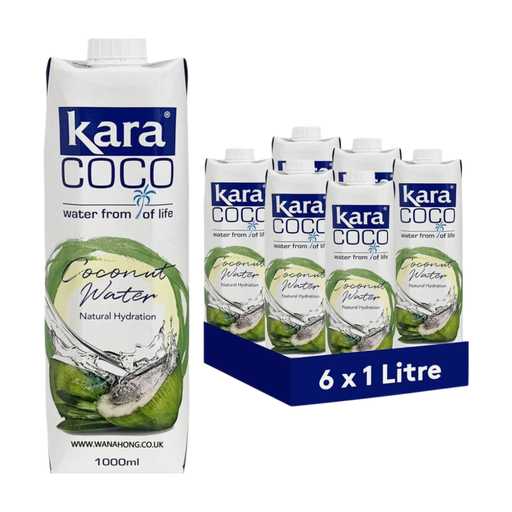
Why This Fits Their Persona: This user needs a reliable, pure hydration source for post-workout recovery or daily intake. This bulk pack of 1-litre cartons is economical and ensures they always have a supply ready for their smoothies or gym bag.
It directly counters the "Pure Illusion" pitfall. The ingredients list is simply 100% Coconut Water, with no added sugars, preservatives or flavourings. It also avoids the "Single-Serve Trap" by offering excellent value in a bulk format.
Not from concentrate, ensuring a more natural taste. The 1-litre multipack format is cost-effective for regular consumption.
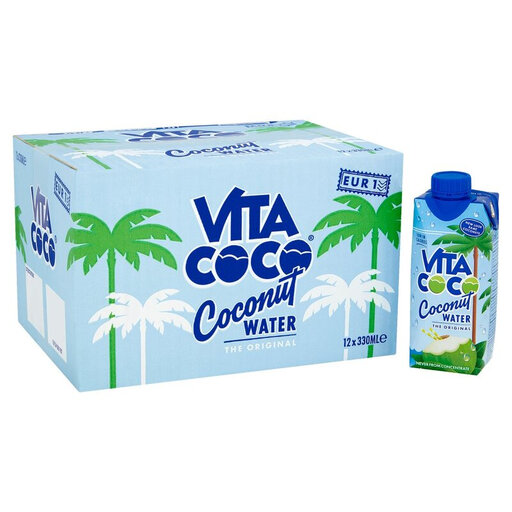
Why This Fits Their Persona: Perfect for someone who needs a healthy drink for their commute, lunchbox or desk. The 330ml cartons are convenient and portable, and this multipack provides a ready supply for a busy week.
While it contains less than 1% fruit sugar, it remains a low-sugar option. More importantly, buying it as a coconut water multipack helps avoid the "Single-Serve Trap," offering better value than purchasing individual cartons from a corner shop.
Convenient 330ml serving size. A well-recognised brand, Vita Coco, known for its consistent taste. High in potassium.

Why This Fits Their Persona: This user is looking for a fun, tasty and unique beverage rather than a pure hydration drink. The combination of passion fruit flavour and chewy nata de coco (coconut jelly) offers a completely different textural experience.
It helps users avoid the "Coconut Identity Crisis" by being clearly positioned as a flavoured coconut juice with pulp, not pure coconut water. This clarity ensures you know you're buying a sweet, textured drink for enjoyment, not for strict hydration.
Unique chewy texture from nata de coco. A fun, flavoured alternative to standard soft drinks.
We have compiled a complete, real-time list of products that fully satisfy these strict selection criteria and UK safety regulations.
Coconut water is a popular natural alternative for hydration after general fitness activities. It provides naturally occurring electrolytes, especially potassium. Many traditional sports drinks are formulated with a different balance of electrolytes (often more sodium) and may contain artificial colours and higher amounts of added sugar. For intense, prolonged exercise, a specialised sports drink might be more suitable, but for many gym-goers, coconut water is a sufficient and natural choice.
Once you open a carton of pasteurised coconut water, it's important to store it in the refrigerator. Most brands recommend consuming it within 24 to 48 hours to ensure it remains fresh and tastes its best. Always refer to the specific storage instructions on the packaging.
Absolutely. If you drink coconut water regularly, purchasing it in larger 1-litre cartons or in a multipack is significantly more economical than buying single-serve cans or cartons. To confirm you're getting a good deal, simply calculate the price per litre. This small step can lead to considerable savings over time.