
24/7 Customer Support

Free returns

Same-day & Next-day Delivery

Quality Guaranteed

Unlock Your Welcome Offers: FREE Delivery | Up to 80% OFF | Free 30-day JoyPlus trial
Download the APP
Navigating the world of green tea can feel overwhelming. Shelves are filled with options, from vibrant powders to convenient bottles, all promising a refreshing experience. Yet, many shoppers find themselves disappointed, with a cupboard full of bitter brews or drinks that are less healthy than they appear. As a Joybuy Product Recommendation Officer, my role is to help you see past the marketing and make choices that suit your taste and lifestyle.
This guide will highlight the common pitfalls to watch for and break down the essential factors to consider, ensuring your next green tea purchase is a satisfying one.
Before you add anything to your basket, be aware of these frequent traps that can lead to a disappointing purchase:
To make a confident choice, focus on these three core parameters. They will help you cut through the clutter and find a product that truly meets your needs.
Your lifestyle should dictate the format you choose. Each has distinct advantages:
Always check the nutritional information and ingredients list. For a pure green tea experience, the list should be simple: "Green Tea". For bottled varieties, look for "Water, Green Tea Extract". If you see sugar, glucose-fructose syrup or artificial sweeteners high up on the list, you are in the "hidden sugar trap" zone. A truly health-conscious option will have 0g of sugar.
Not all green tea tastes the same. Understanding a few key types can transform your experience:
Based on these practical criteria, here are a few recommendations tailored to different needs and preferences.
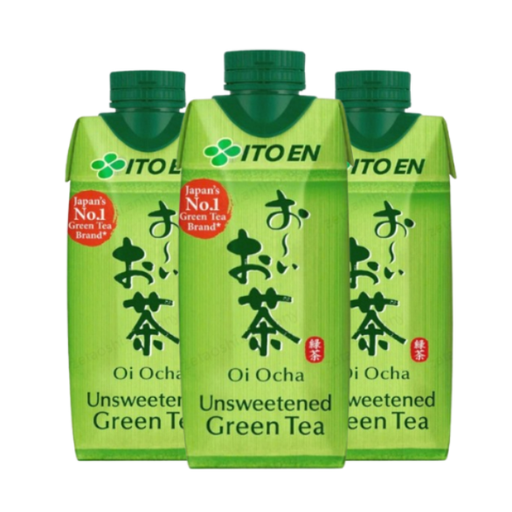
Why This Fits Their Persona: For those with a packed schedule, this ready-to-drink tea offers an authentic Japanese green tea experience without any prep time. It's perfect for taking to the office, the gym or enjoying with a quick lunch.
It is completely unsweetened, with zero sugar and zero calories. This directly counters the hidden sugar trap, delivering a genuinely clean and refreshing drink.
Authentic flavour from a leading Japanese brand, Itoen Oi Ocha. The 330ml bottles are a convenient size for on-the-go hydration.
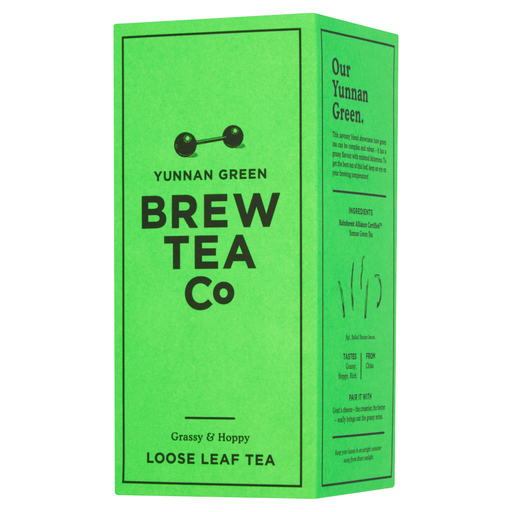
Why This Fits Their Persona: This is for the person who savours the process. They want control over their brew and appreciate the superior flavour that comes from high-quality, whole leaves. It's about the ritual as much as the refreshment.
As a loose leaf green tea made from rolled whole leaves, it completely sidesteps the "tea dust" trap. You can see the quality of the leaves, ensuring a flavourful, non-bitter cup.
Offers a complex, robust and savoury flavour profile. Using loose leaves allows for precise control over brewing temperature and time to achieve the perfect taste.
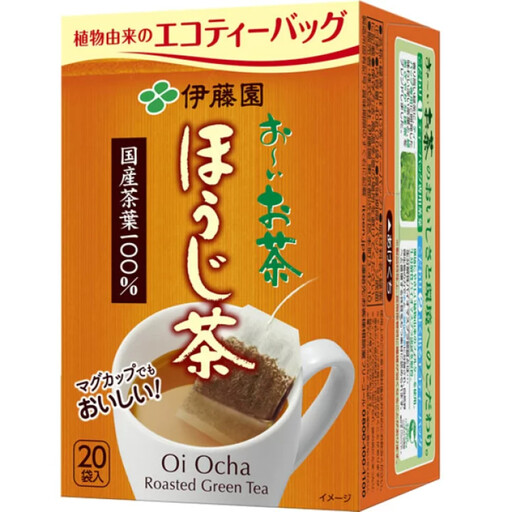
Why This Fits Their Persona: For those who enjoy green tea but are looking for a different taste experience. Hojicha offers a completely distinct profile that's comforting and aromatic, making it a great discovery for a seasoned tea drinker.
The label is specific and accurate. It clearly identifies the product as hojicha, a roasted green tea, avoiding the vague labelling trap and setting a clear expectation of a nutty, toasty flavour.
A unique, soothing roasted flavour with a lower caffeine content, making it an excellent choice for any time of day, especially in the evening. Convenient tea bag format.
We have compiled a complete, real-time list of products that fully satisfy these strict selection criteria and UK safety regulations.
Bitterness in green tea is usually caused by two things: water that is too hot or steeping for too long. Unlike black tea, green tea leaves are delicate and can be "burnt" by boiling water. For a smoother taste, use water that is around 80°C (let your kettle sit for a minute or two after boiling). Steep for just 1-3 minutes. With loose leaf tea, you can often get a second or third infusion from the same leaves.
It depends on what you value more: flavour or convenience. Loose leaf green tea generally offers a more nuanced and superior flavour because the whole leaves have room to expand and release their full range of oils and aromas. However, high-quality green tea bags, especially pyramid-shaped ones that contain larger leaf pieces, can produce an excellent cup and are much more convenient for a quick brew at home or in the office.
The main difference lies in the processing method used to stop oxidation. Japanese green tea is typically steamed, which preserves a vibrant green colour and imparts a fresh, vegetal or marine-like (umami) flavour. In contrast, most Chinese green teas are pan-fired in a large wok, which gives them a gentler, toastier and sometimes slightly nutty flavour.