
24/7 Customer Support

Free returns

Same-day & Next-day Delivery

Quality Guaranteed

Unlock Your Welcome Offers: FREE Delivery | Up to 80% OFF | Free 30-day JoyPlus trial
Download the APP
Navigating the honey aisle can be surprisingly complex. What starts as a simple mission for a jar to sweeten your tea or spread on toast can quickly become a confusing comparison of textures, origins and mysterious numbers on the label. Many shoppers find themselves paying a premium for features they don't understand or buying a product that isn't quite right for their needs.
As the Joybuy Product Recommendation Officer, my role is to help you see past the marketing buzz. Let's look at the common pitfalls that UK consumers face and how to choose the right honey for your pantry.
Common Pitfalls When Buying Honey:
To make a confident choice, focus on these three practical parameters. They will help you match a product to your exact needs, whether for cooking, wellness or a simple breakfast topping.
The physical form of honey dictates its use.
If you're looking at New Zealand Manuka honey, the most important factor is its MGO (Methylglyoxal) rating. MGO is a naturally occurring compound in Manuka honey that is measured in mg/kg. The MGO number on the jar indicates the minimum certified level of this compound.
A higher MGO rating (e.g., 250+ or 500+) signifies a higher concentration of methylglyoxal. These honeys are often sought by those interested in specific wellness routines and command a higher price. For general daily use, a lower MGO rating (like 40+ or 100+) can be a more moderate entry point.
The term raw honey generally refers to honey that has not been pasteurised (heat-treated) or heavily filtered. This means it may retain more of its natural enzymes and pollen. Also, check the origin. A single-origin honey (e.g., from a specific region in New Zealand or Argentina) will have a more distinct and consistent flavour profile compared to a blend from multiple unspecified countries.
Based on these practical considerations, we've matched several products to different UK household needs.
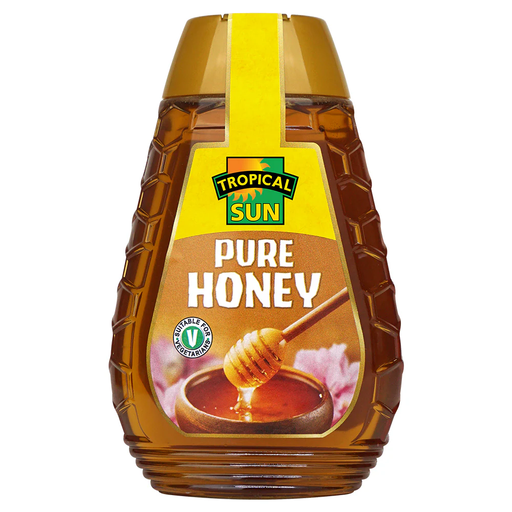
Why This Fits Their Persona: Perfect for families or anyone who needs a quick, no-fuss sweetener for porridge, tea or pancakes during a busy morning. The squeezy format is practical and minimises sticky messes.
This directly solves the texture mismatch and mess pitfall by providing a convenient, easy-to-dispense clear honey for everyday drizzling.
Pure and natural honey in a mess-free squeezy bottle. It also won a Great Taste Award, indicating a quality flavour.
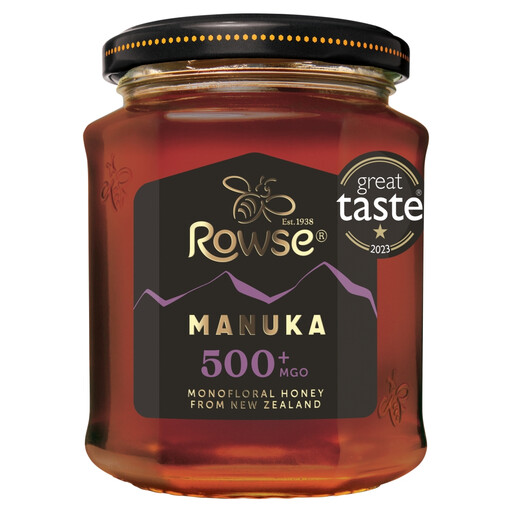
Why This Fits Their Persona: This user is specifically seeking out the properties associated with high-grade Manuka honey and understands it comes at a premium. They value certification and potency.
It demystifies the MGO rating by clearly stating it is MGO 500+. This allows the buyer to make an informed decision based on a certified, high-potency level, avoiding the trap of buying an uncertified or low-grade product by mistake.
A premium, single-origin New Zealand Manuka honey with a guaranteed high MGO rating. It is traceable and packed with care in the UK.
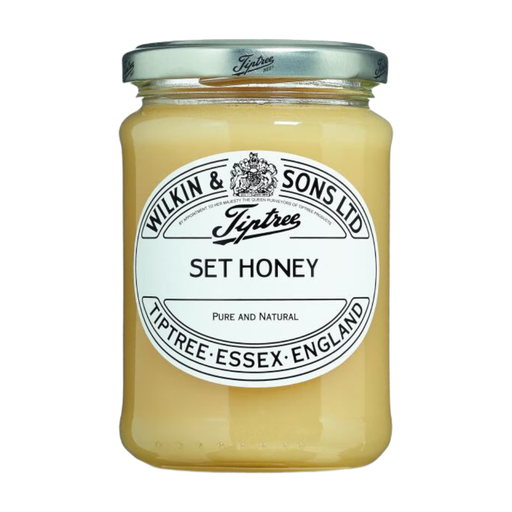
Why This Fits Their Persona: This person appreciates tradition and wants a thick, satisfyingly spreadable honey for their morning toast, crumpets or scones. Flavour and a classic texture are their priorities.
By being a classic set honey, it delivers the exact thick, crystalline texture that a traditionalist expects, avoiding the disappointment of a runny honey that drips off the toast.
A pure and natural honey from a respected brand with a long history. Its firm texture is perfect for spreading without drips.
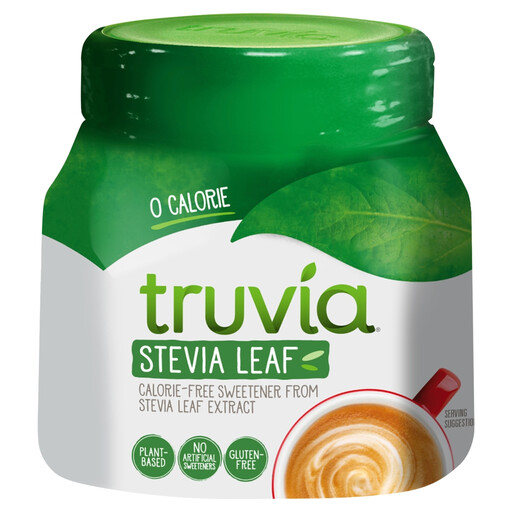
Why This Fits Their Persona: This user is actively looking for a sugar alternative to reduce calorie or sugar intake. While honey is natural, they need a zero-calorie option for baking, cooking or sweetening drinks.
It avoids the trap of viewing all sweeteners equally. While honey is a natural sugar, this provides a true zero-calorie option for those who need to manage their sugar intake more strictly.
A zero-calorie, zero-sugar sweetener derived from the stevia leaf. Its granular texture is designed to replace sugar in cooking and baking.
We have compiled a complete, real-time list of products that fully satisfy these strict selection criteria and UK safety regulations.
This is a natural process called crystallisation, and it's perfectly normal. It happens when the glucose in the honey separates from the water, forming crystals. It does not mean the honey has gone off. In fact, it's a sign of natural, unprocessed honey. To return it to a liquid state, simply place the jar in a bowl of warm water and stir gently until the crystals dissolve.
Not necessarily. The "better" rating depends entirely on your reason for buying it. If you are seeking Manuka for a specific wellness purpose, a higher MGO (like 250+ or more) is generally what people look for. However, for use as a daily sweetener with a pleasant taste and a hint of Manuka's properties, a lower MGO rating (such as 40+ or 100+) is a more than suitable and cost-effective choice.
Yes, but with a few adjustments. Honey is sweeter than sugar, so you'll typically need less of it (e.g., use 3/4 cup of honey for every 1 cup of sugar). Honey is also a liquid, so you should reduce the other liquids in your recipe by about 1/4 cup for every cup of honey used. For those managing calorie intake, a dedicated low calorie sweetener like one based on stevia or erythritol might be a more direct substitute in baking.