
24/7 Customer Support

Free returns

Same-day & Next-day Delivery

Quality Guaranteed

Unlock Your Welcome Offers: FREE Delivery | Up to 80% OFF | Free 30-day JoyPlus trial
Download the APP
Choosing new kitchen appliances can feel overwhelming. You are not just buying a machine; you are investing in the daily function and comfort of your home. However, the market is filled with confusing jargon and features that sound impressive but may not suit your actual needs. As a Joybuy Product Recommendation Officer, my role is to help you navigate these choices by focusing on what truly matters for UK households. This guide will highlight common purchasing pitfalls and break down the essential factors to consider.
Before you start browsing, be aware of these frequent missteps that can lead to buyer's remorse:
To make an informed decision, focus on these non-negotiable specifications. Getting these right will ensure your new appliance fits your space and lifestyle perfectly.
UK kitchens come in all shapes and sizes, so precise measurements are essential.
For refrigeration, the technology inside is just as important as the size.
A cooker hood is vital for removing steam, grease and odours. The type you need depends entirely on your property.
Here are a few options that align with specific needs, helping you sidestep the common pitfalls.
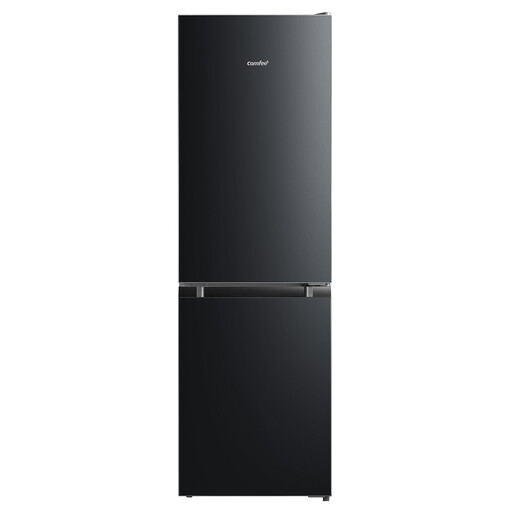
Why This Fits Their Persona: This black fridge freezer is ideal for smaller households of 2-3 people. Its 50cm width makes it a great slimline appliance for compact kitchens, while the 174L capacity provides ample space for weekly shops without being excessive.
It has a specified 39dB quiet operation, avoiding the noise trap in smaller flats. The "Low Frost" feature is clearly stated, managing expectations compared to more expensive Total No Frost models.
Features a reversible door for flexible installation in any kitchen layout. The 4-star freezer provides proper long-term storage for frozen goods.
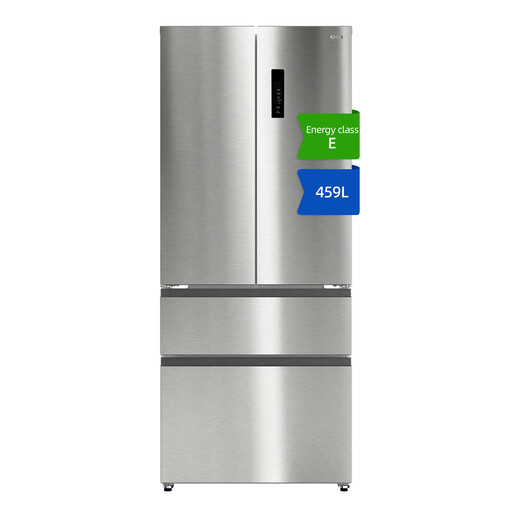
Why This Fits Their Persona: This large-capacity American fridge freezer is perfect for families. The 4-door French door design offers wide, easy-to-access fridge space and organised freezer drawers. Its premium stainless steel finish and 600mm depth give it a sleek, built-in look.
It features true Total No Frost technology and a super-quiet 37dB Dual Inverter System. The clear 297 kWh/year energy consumption figure allows for accurate cost assessment, avoiding the energy rating illusion.
The dedicated "Care+ Space" with independent temperature modes offers flexible, precise storage for different food types. The Multi Air Flow system ensures consistent cooling on every shelf.
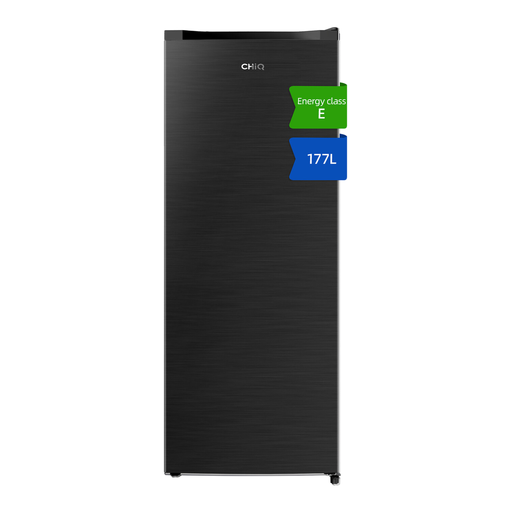
Why This Fits Their Persona: This dedicated upright freezer is the perfect secondary appliance for those who need serious frozen storage. Its six transparent drawers make organising and finding food simple, eliminating the chaos of a deep chest freezer. The sleek black fridge freezer style finish is a bonus.
It directly solves the problem of insufficient freezer space without forcing you to buy an oversized, energy-hungry fridge-freezer. Its 39dB rating ensures it is a quiet kitchen appliance suitable for any utility room or kitchen.
The slimline 54cm width allows it to fit into tight spaces. The reversible door adds another layer of installation flexibility, making it easy to place in almost any room.
We have compiled a complete, real-time list of products that fully satisfy these strict selection criteria and UK safety regulations.
The lifespan of an appliance varies by type, brand and usage. Generally, you can expect a well-maintained fridge freezer to last between 10 and 15 years. Cooker hoods and ovens often have a similar lifespan. Regular cleaning and proper use, such as not overloading and ensuring good ventilation, can help prolong the life of your appliances.
Running costs depend on the appliance's energy efficiency class and its annual energy consumption (kWh/annum). To estimate the cost, find the kWh/annum figure on the energy label and multiply it by your electricity tariff rate (pence per kWh). Newer models with inverter technology are typically more efficient and can lead to noticeable savings on your electricity bill compared to older units.
This depends on your kitchen's location and structure. If you have an external wall, a ducted cooker hood is often the preferred choice as it vents stale air directly outside. If you live in a flat or a home where external ducting is not possible, you will need a recirculating cooker hood. These use carbon filters to clean the air before circulating it back into the room. Many models, like the Ciarra 60cm Angled Cooker Hood, can be installed in either configuration.