
24/7 Customer Support

Free returns

Same-day & Next-day Delivery

Quality Guaranteed

Unlock Your Welcome Offers: FREE Delivery | Up to 80% OFF | Free 30-day JoyPlus trial
Download the APP
From a simple, refreshing glass of squash to a functional energy drink, the world of lemon and citrus beverages is vast. But with so many options on the shelves, it is easy to fall into common purchasing traps. Many shoppers find themselves with a drink that is either packed with hidden sugars, disappointingly low in real fruit or simply not suited to their needs.
As a Product Recommendation Officer, my role is to help you navigate the marketing jargon. This guide will break down the key factors to consider, ensuring your next purchase of lemon drinks is a satisfying one. We will look at the three most common pitfalls and how to sidestep them.
A brightly coloured bottle with pictures of fresh lemons does not always mean it is full of fruit. Many products labelled as "fruit drinks" or "citrus flavoured water" may contain as little as 1-5% actual juice. The rest is often water, sugar and flavourings. You end up paying a premium for what is essentially flavoured sugar water.
"No added sugar" has become a popular claim, but it requires a closer look. A drink can still be high in naturally occurring sugars from fruit concentrates. Alternatively, it might contain a blend of artificial sweeteners (like Aspartame or Sucralose) that some consumers prefer to avoid. Always check the "Carbohydrates (of which sugars)" line in the nutritional information for a true picture of the total sugar content per 100ml.
Many drinks are marketed with added vitamins or electrolytes for "hydration" or "energy". While some are genuinely functional, others use these claims to create a health-conscious image while still being high in calories or containing minimal active ingredients to make a real difference. It is important to look past the front-of-pack claims and analyse the full ingredient list.
To make an informed choice, focus on these three non-negotiable details on the product label.
This is the most reliable indicator of quality and flavour. A higher percentage of juice, whether from concentrate or not, generally results in a more authentic taste.
Look at the ingredients list to see where the sweetness comes from.
The right format depends entirely on your lifestyle.
Based on these practical criteria, here are a few options that match different needs and preferences, helping you avoid the common pitfalls.
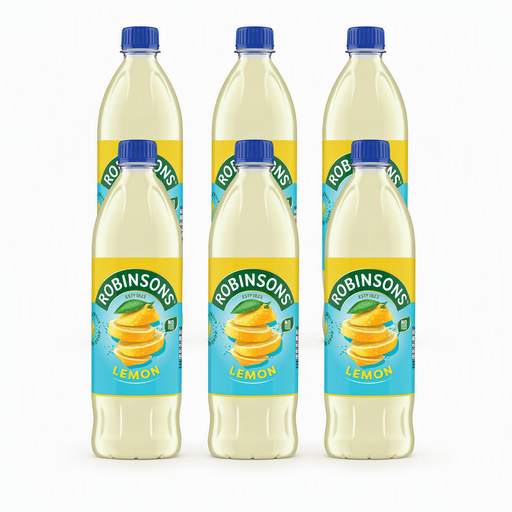
Why This Fits Their Persona: This multipack is ideal for UK families wanting a reliable and economical way to provide daily hydration. The no-added-sugar formula is a key consideration for parents, and the large-format bottles offer excellent value for money.
It is transparently a squash concentrate, not pretending to be a pure juice. The "no added sugar" claim is clear, directly addressing the hidden sugar pitfall for health-conscious households.
Made with 10% real lemon juice from concentrate. Highly versatile, allowing each family member to dilute it to their preferred strength.
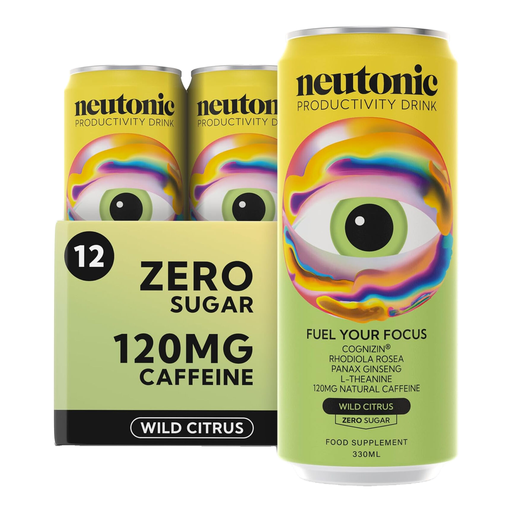
Why This Fits Their Persona: For students, gamers or professionals needing to maintain concentration, this drink is designed for cognitive support. The zero-sugar formula prevents an energy crash, and the convenient can format is perfect for the office or a study session.
It avoids the "healthy halo" trap by being upfront about its specific function—productivity and focus—rather than vague wellness. Its zero-sugar profile directly counters the hidden sugar pitfall.
Contains a blend of nootropic ingredients like L-Theanine and Panax Ginseng. The 120mg of caffeine provides alertness without the jitters associated with higher-caffeine drinks.
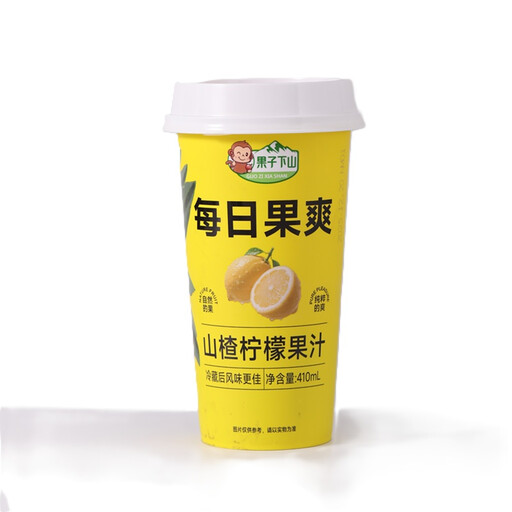
Why This Fits Their Persona: For those tired of standard orange and lemon flavours, this drink offers a unique taste of hawthorn fruit. It's a great entry point for anyone curious about popular Asian soft drinks in the UK, providing a balanced tart-sweet profile that is both refreshing and different.
This drink's appeal is its unique ingredient profile, not a misleading "fruit juice" claim. It clearly states its hawthorn (30%) and lemon juice (1%) content, managing expectations perfectly.
Offers a genuinely different flavour experience from typical Western soft drinks. The high hawthorn content provides a distinctive, authentic taste.
We have compiled a complete, real-time list of products that fully satisfy these strict selection criteria and UK safety regulations.
In the UK, 'lemon squash' refers to a sweetened, concentrated drink that must be diluted with water before consumption. It typically contains a smaller percentage of fruit juice alongside water, sugar or sweeteners and flavourings. 'Lemon juice from concentrate' can refer to a pure juice product where water has been removed for shipping and then re-added or it can be an ingredient within another drink. A bottle labelled simply as "Lemon Juice from Concentrate" is usually 100% juice and is used for cooking or drinking, whereas squash is a pre-mixed cordial.
Once opened, most ready-to-drink fruit juices, including orange juice drinks and lemon-based varieties, should be refrigerated and consumed within 3 to 5 days. The exact duration can vary, so it is always advisable to check the storage instructions on the product label. Storing them properly ensures the flavour and quality are maintained.
Sugar-free citrus drinks can be a flavourful way to increase your fluid intake, especially if you find plain water unappealing. They are generally a better choice than their full-sugar counterparts for managing calorie intake. However, water remains the primary source for optimal hydration. It is always a good practice to consume these drinks as part of a balanced diet and varied fluid intake.