
24/7 Customer Support

Free returns

Same-day & Next-day Delivery

Quality Guaranteed

Unlock Your Welcome Offers: FREE Delivery | Up to 80% OFF | Free 30-day JoyPlus trial
Download the APP
From a quick handful to fuel a busy afternoon to a key ingredient in a show-stopping bake, nuts and seeds are a staple in many UK households. Yet, navigating the packed aisles to find the right product can be surprisingly tricky. As a Joybuy Product Recommendation Officer, my role is to help you see past the marketing jargon and make choices that suit your needs and budget. Let's look at the common pitfalls and what to look for.
A simple purchase can often lead to disappointment. Here are a few common issues that UK shoppers encounter:
To avoid these issues, focus on a few key parameters that determine quality, taste and suitability for your purpose.
Understanding the state of the nut or seed is the first step. This single factor affects flavour, texture and how you can use it.
Before you buy, consider what you'll be using them for.
To help you choose, here are a few products matched to different needs, all of which address the common pitfalls.
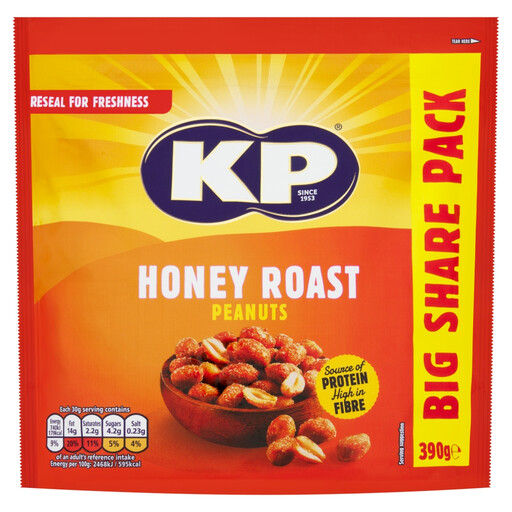
Why This Fits Their Persona: This generous 390g pack is ideal for sharing at gatherings or for a family snack drawer. The sweet and savoury honey-roast flavour is a crowd-pleaser, and they are ready to serve straight from the pack, requiring no preparation.
It avoids the "wrong type for the task" pitfall by being a dedicated party snack. You know exactly what you're getting: a ready-to-eat, flavoured nut perfect for immediate enjoyment.
The large pack size is convenient for social events, and the honey-roast coating provides a balanced sweet and salty flavour that appeals to a wide audience.
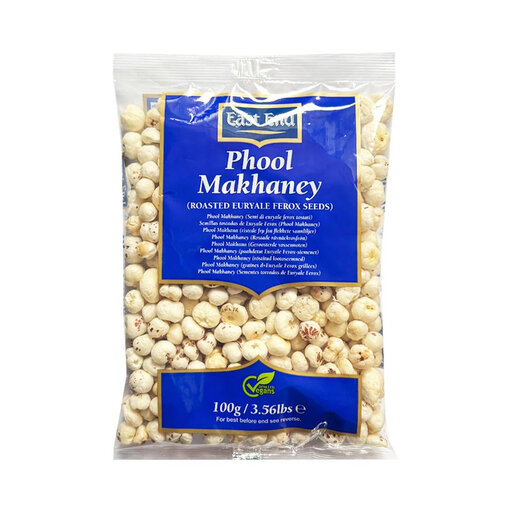
Why This Fits Their Persona: For the home cook looking to explore Indian cuisine, Phool Makhana (or fox nuts) are a fantastic ingredient. They are light, crunchy and can be roasted with spices for a snack or added to curries for texture. This product offers an authentic ingredient for experimentation.
This is a specific, single-ingredient product, avoiding the "healthy snack illusion" of hidden additives. It is exactly what it claims to be: roasted Euryale ferox seeds, ready for culinary use.
Highly versatile for both snacking and cooking. It's naturally low in fat and provides a unique, light and puffy crunch that differs from traditional nuts.
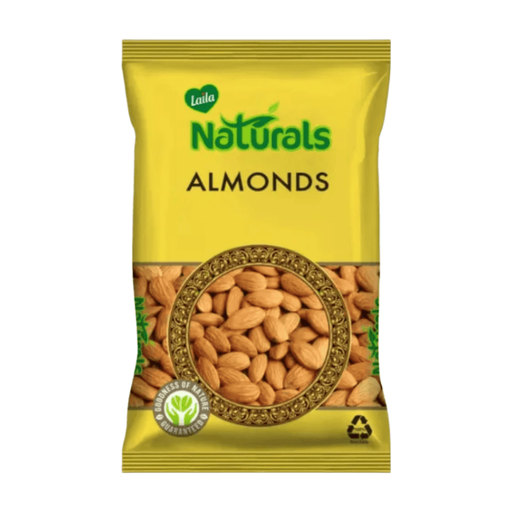
Why This Fits Their Persona: These are 100% raw, whole almonds with no added salt, sugar or oils. They are perfect for someone who wants a pure, versatile nut for snacking, adding to porridge or making their own trail mix. The resealable pack helps maintain freshness.
This product directly counters the "healthy snack illusion" by being a single-ingredient food. You get exactly what is on the label: almonds. The resealable 500g bag also helps prevent the "freshness failure" of bulk buying.
Completely natural and versatile for any use, from raw snacking to baking. A good source of protein and fibre without any additives.
We have compiled a complete, real-time list of products that fully satisfy these strict selection criteria and UK safety regulations.
1. How should I store nuts and seeds to keep them fresh? The oils in nuts and seeds can oxidise when exposed to heat, light and air, leading to a rancid taste. To maximise freshness, store them in an airtight container in a cool, dark place like a pantry. For long-term storage (more than a month), keeping them in the refrigerator or even the freezer is a very effective method.
2. Are roasted nuts less nutritious than raw nuts? The roasting process can slightly reduce the concentration of some heat-sensitive vitamins, but the overall nutritional value, including protein, fibre and mineral content, remains largely intact. The main difference often comes from what is added during or after roasting. Dry-roasted nuts are very similar to raw, whereas oil-roasted and seasoned nuts will have higher fat and sodium content.
3. What are phool makhana and how are they used? Phool makhana, also known as fox nuts or lotus seeds, are the puffed seeds of the Euryale ferox plant. They are not technically nuts but are used in similar ways. In the UK, they are gaining popularity as a light, crunchy snack. They have a neutral taste and can be roasted and seasoned with spices like turmeric and chilli or added to curries and vegetable dishes to provide a unique, puffy texture.