
24/7 Customer Support

Free returns

Same-day & Next-day Delivery

Quality Guaranteed

Unlock Your Welcome Offers: FREE Delivery | Up to 80% OFF | Free 30-day JoyPlus trial
Download the APP
Navigating the soft drinks and juices aisle can feel overwhelming. Shelves are packed with brightly coloured bottles and cartons, all promising refreshment and flavour. However, not all beverages are created equal. Misleading labels and clever marketing can often lead to purchases that don't quite meet your family's needs or your budget. As your Joybuy Product Recommendation Officer, my role is to help you see past the hype and make informed choices.
Before you fill your basket, let's look at a few common pitfalls that can catch out even the most careful shoppers.
To ensure you're getting what you pay for, focus on a few core details on the product label. These parameters are far more telling than the marketing claims on the front of the bottle.
Instead of just looking for "no added sugar," turn the bottle around and find the nutritional table. Look for the Carbohydrates (of which sugars) line. This figure tells you the total amount of sugar per 100ml, whether it's added or naturally present. For families looking for healthy soft drinks, this is the most important number. If a drink is sugar-free, it will likely contain sweeteners like Aspartame, Sucralose or Saccharin, which will be listed in the ingredients. This is common in no added sugar squash and diet drinks.
The difference between a "fruit juice" and a "juice drink" is significant. In the UK, a product labelled "fruit juice" must be 100% fruit juice. A "juice drink," however, can contain as little as 5% juice, with the rest being water, sugar and flavourings. If you're looking to bulk buy fruit juice for its nutritional content, always check the ingredients list for the percentage of real juice.
Your reason for buying a drink dictates which ingredients matter most. For simple hydration, water is always a great choice. For post-exercise recovery, something like natural coconut water provides electrolytes like potassium. For those seeking a specific performance boost, a pre-workout drink UK will contain active ingredients like caffeine for alertness and creatine for power, which are clearly not intended for casual sipping.
To make things easier, here are a few recommendations matched to different household needs, all of which offer transparency and clear benefits.
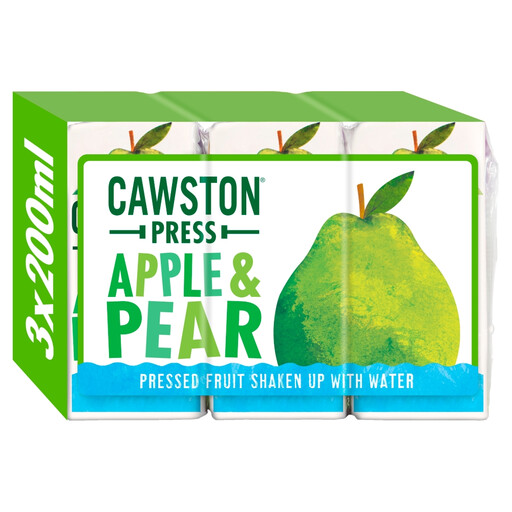
Why This Fits Their Persona: This is a straightforward choice for parents packing kids lunchbox drinks. The small, recyclable cartons are convenient, and the product is noted as being school-approved, offering peace of mind.
It directly counters the "from concentrate" and "added sugar" pitfalls. The label clearly states it's made from pressed juice and water, with no added sugar, sweeteners or artificial additives.
The ingredients list is simple and honest: 54% pressed apple juice, water and 6% pear puree. It contains naturally occurring sugars from the fruit itself, not from added syrups.
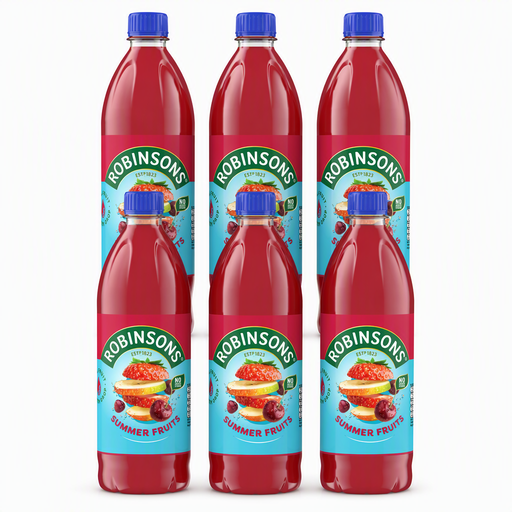
Why This Fits Their Persona: For families needing to keep the pantry stocked, this bulk buy pack of no added sugar squash is a practical and cost-effective solution for daily hydration.
It is transparent about its composition. It clearly states "No Added Sugar" and lists the sweeteners used (Aspartame, Saccharin), allowing consumers to make an informed choice rather than being misled.
The high concentration offers excellent value, with each 1L bottle making numerous servings. It contains real fruit juice from concentrate and uses natural colours.
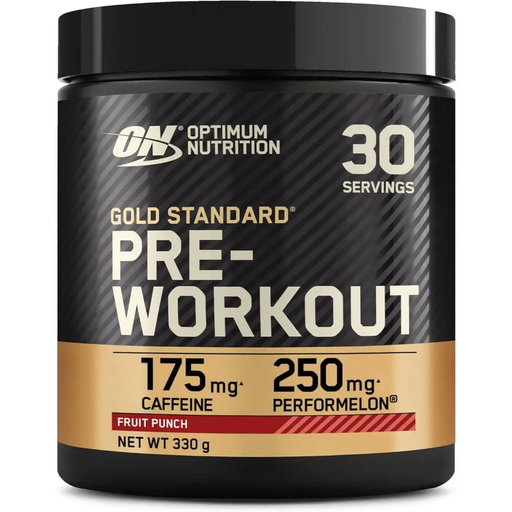
Why This Fits Their Persona: This is a specialised pre-workout drink UK designed for those looking to support their performance during intense exercise. It's not for casual hydration but for a targeted, functional purpose before training.
It avoids being mistaken for a simple soft drink through its clear labelling and functional ingredients. The packaging highlights its purpose with terms like "Pre Workout" and lists active ingredients like caffeine and creatine prominently.
It contains a specific blend of ingredients to support workout goals, including 175 mg of caffeine for focus, 3.4 g of creatine monohydrate for power and B vitamins to help reduce fatigue.
We have compiled a complete, real-time list of products that fully satisfy these strict selection criteria and UK safety regulations.
1. What is the difference between 'fruit juice' and a 'fruit juice drink'? In the UK, a product labelled "fruit juice" must be made from 100% fruit juice. A "fruit juice drink," on the other hand, is a beverage that contains a certain percentage of juice mixed with other ingredients like water, sugar, sweeteners and flavourings. The juice content in a "juice drink" can be quite low, so it's always best to check the label.
2. How long can I keep squash after opening it? Most squash concentrates, like Robinsons, recommend refrigerating the bottle after opening and consuming it within a specific period, typically around 3-4 weeks. This ensures the flavour and quality remain at their best. Always check the product label for specific storage instructions.
3. Are there any side effects to pre-workout powders? Some ingredients in pre-workout supplements can have noticeable effects. For example, many contain Beta-Alanine, which can cause a harmless, temporary tingling sensation on the skin called paraesthesia. They also typically contain high levels of caffeine, so it's important not to exceed the recommended dose and to avoid other caffeinated products around the same time. Always consult the product's safety information before use.