
24/7 Customer Support

Free returns

Same-day & Next-day Delivery

Quality Guaranteed

Unlock Your Welcome Offers: FREE Delivery | Up to 80% OFF | Free 30-day JoyPlus trial
Download the APP
Navigating the world of white wine can feel overwhelming. Shelves are lined with bottles from every corner of the globe, with labels that promise everything from "crisp refreshment" to "complex elegance." As the Joybuy Product Recommendation Officer, my role is to help you see past the marketing jargon and make choices that suit your palate and your budget.
Many of us have been there: you buy a bottle based on a beautiful label or a familiar name, only to find it’s not what you expected. To help you find a wine you’ll genuinely enjoy, let's look at a few common pitfalls and how to sidestep them.
To make a confident choice, focus on a few core characteristics rather than just the price or label design. These parameters will tell you much more about what’s inside the bottle.
When a label says dry white wine, it means most or all of the grape's sugar has been converted to alcohol during fermentation. This results in a wine that isn't sweet. Acidity, on the other hand, is what gives a wine its refreshing, mouth-watering quality. A crisp white wine typically has high acidity, making it feel zesty and clean on the palate.
The grape variety provides the fundamental flavour profile, but the region where it's grown—the terroir—shapes its final character.
Growing numbers of producers are adopting practices that cater to specific dietary and lifestyle choices. A vegan white wine is one that avoids the use of animal-derived products (like egg whites or milk protein) during the fining, or clarification, process. Organic wines are made from grapes grown without synthetic pesticides or fertilisers, reflecting a commitment to environmental stewardship. These factors are usually clearly stated on the label.
Instead of a generic list, we've matched some excellent bottles to the people and occasions they are most suited for.
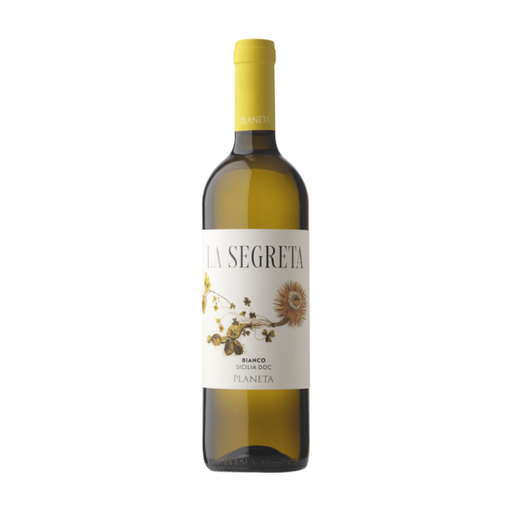
Why This Fits Their Persona: Perfect for someone who wants a reliable and interesting weeknight wine without breaking the bank. This Sicilian blend is versatile enough for a simple pasta dish, grilled vegetables or just sipping on its own after a long day. It offers more character than a standard entry-level Pinot Grigio.
It moves beyond vague "fruity" labels by offering a specific and aromatic profile of citrus, peach and Mediterranean florals, giving you a clear idea of its lively character.
Organic and vegan-friendly. A well-balanced blend of Grecanico, Chardonnay, Viognier and Fiano grapes provides complexity and versatility.
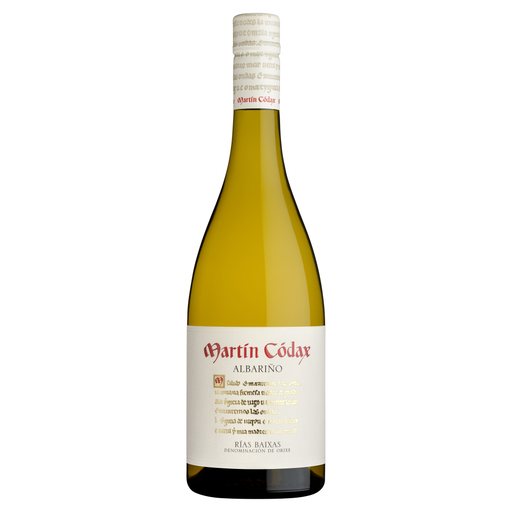
Why This Fits Their Persona: When planning a meal around fish or shellfish, you need a wine that complements, not competes. This classic Albari?o from Rías Baixas in Spain is the quintessential wine for fish, with its zesty acidity and distinct saline, mineral notes that echo the sea.
It solves the food pairing mismatch. Instead of a generic white, its high acidity and citrus profile are specifically suited to cut through the richness of seafood and enhance its delicate flavours.
A textbook example of its style, offering notes of green apple, lime and a clean finish. It's also suitable for vegans and vegetarians.
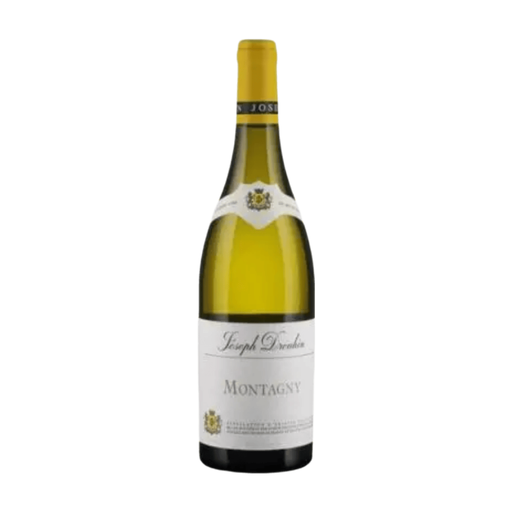
Why This Fits Their Persona: For those ready to explore the nuances of a classic region, this white Burgundy from a highly respected producer is an excellent choice. It showcases the elegance and complexity of Chardonnay from the C?te Chalonnaise, perfect for a special occasion or pairing with roast chicken.
This avoids the "famous-region premium" trap by delivering genuine quality. You're not just paying for the Burgundy name; you're getting a well-crafted wine with balance, minerality and structure from a top-tier producer.
Complex profile with notes of golden apple, almond and a chalky minerality. It has good ageing potential, allowing it to develop further complexity over several years.
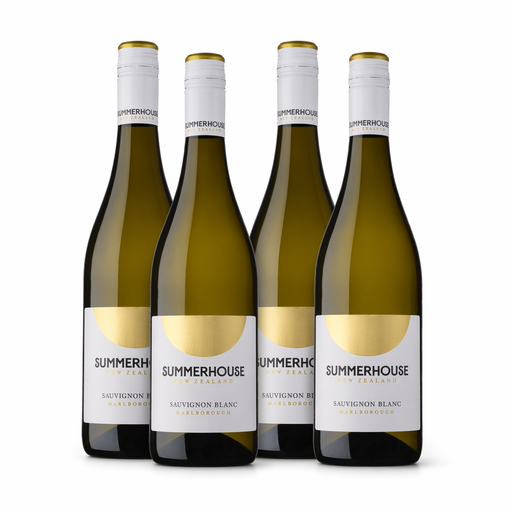
Why This Fits Their Persona: For those who host often or simply like to have a go-to wine on hand, buying a case of white wine is a smart move. This Marlborough Sauvignon Blanc is a crowd-pleaser, known for its vibrant tropical fruit and citrus notes that appeal to a wide range of palates.
By choosing a classic and popular style, you avoid the risk of buying a case of something obscure that your guests may not enjoy. It's a reliable choice that consistently delivers the expected zesty character.
Excellent value when purchased as a case. Sourced from the renowned Rapaura subregion, it offers classic Marlborough notes of passion fruit, grapefruit and fresh herbs.
We have compiled a complete, real-time list of products that fully satisfy these strict selection criteria and UK safety regulations.
This is a great question that highlights the importance of location. Both are Italian white wines from Piedmont made with the Cortese grape. However, Gavi di Gavi (or Gavi del comune di Gavi) is a specific designation for wines made exclusively from grapes grown within the township of Gavi itself. This area is considered the historic heart of the region, and its wines are often regarded as having a more intense minerality and structure. A standard Gavi DOCG can be sourced from a wider surrounding area.
Once opened, a bottle of white wine's freshness will begin to fade. To preserve it, you should re-cork it tightly (or use a wine stopper) and store it in the fridge. Most crisp, light-bodied white wines like Sauvignon Blanc or Pinot Grigio are best consumed within 3 days. Fuller-bodied whites like Chardonnay may last up to 5 days, though their flavour profile might change slightly.
No, there is no inherent taste difference. The term "vegan" refers to the clarification process, known as fining. Traditional fining agents can include egg whites (albumin), milk protein (casein) or fish bladder (isinglass), which are used to remove tiny particles and make the wine clear. Vegan-friendly wines use alternative fining agents like bentonite clay or activated carbon or are simply left to clarify naturally. The choice of fining agent does not impact the wine's fundamental flavour.