
24/7 Customer Support

Free returns

Same-day & Next-day Delivery

Quality Guaranteed

Unlock Your Welcome Offers: FREE Delivery | Up to 80% OFF | Free 30-day JoyPlus trial
Download the APP
Navigating the red wine aisle can be a challenge. Labels with grand claims and unfamiliar regions often lead to disappointment. When it comes to a classic grape like Cabernet Sauvignon, it’s easy to pay a premium for a bottle that doesn’t deliver. As a Joybuy Product Recommendation Officer, my role is to help you sidestep these common issues and find a wine that genuinely suits your taste and budget.
This guide focuses on the practical realities of buying Cabernet Sauvignon online in the UK. We will look at the marketing traps to ignore and the key details that actually matter, ensuring your next purchase is a confident one.
Many shoppers are swayed by clever marketing rather than substance. Here are three frequent mistakes that can lead to a disappointing purchase:
To avoid the pitfalls, focus on these three essential characteristics. They provide a far more accurate picture of the wine in the bottle than any marketing slogan.
Tannins are natural compounds found in grape skins and seeds that create a drying sensation in your mouth. In a full-bodied red wine like Cabernet Sauvignon, tannins provide structure and longevity. The goal is to find a wine with tannins that are firm and present but not unpleasantly bitter or "green." Well-managed tannins feel fine-grained and contribute to a smooth, lingering finish. This structure is precisely what makes Cabernet Sauvignon an excellent red wine for steak, as the tannins bind with the proteins in the meat, cleansing the palate.
Oak barrels do more than just store wine; they impart flavour and texture. The type of oak (French or American) and the time spent in the barrel shape the final taste.
Check the product description for mentions of "oak ageing" to understand what secondary flavours to expect.
Based on these practical criteria, here are some recommendations matched to different needs and preferences.
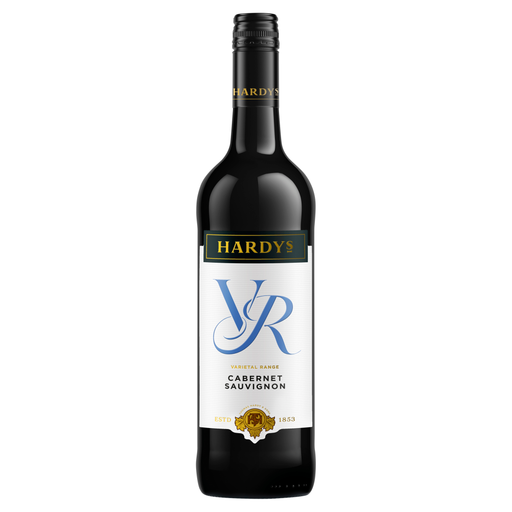
Why This Fits Their Persona: This is a dependable and approachable Australian Cabernet Sauvignon designed for daily enjoyment. It's perfect for a simple weeknight meal or a casual glass in the evening, offering consistent quality without a hefty price tag.
It avoids the "Reserve" label trap by being transparently positioned as an everyday wine. Its value comes from its reliability, not from misleading marketing terms.
Classic dark fruit profile. Versatile for pairing with a wide range of foods. Excellent value for a standard 75cl red wine.

Why This Fits Their Persona: This iconic Chilean Cabernet Sauvignon is a crowd-pleaser. It's known for its consistent quality and balanced profile, making it a safe and impressive choice for serving to guests with varied palates.
It delivers a genuinely smooth red wine experience through well-managed tannins and balanced fruit, not by being overly sweet. It sidesteps the "smooth vs. sweet" confusion.
Rich cassis and black cherry notes with hints of coffee. A reliable red wine for steak, roasts or cheese boards.
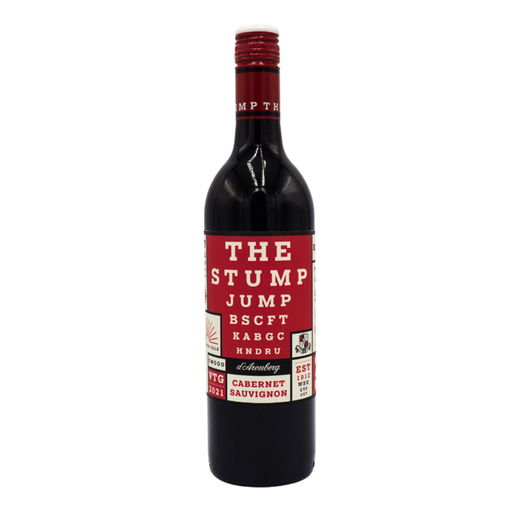
Why This Fits Their Persona: For those looking to explore regionality, this wine is a textbook example of a McLaren Vale Cabernet. It offers more complexity than entry-level wines, with distinct herbal and spice notes alongside its fruit core.
This wine's identity is tied to its specific region (McLaren Vale), demonstrating the value of looking beyond generic labels. It avoids the pitfall of buying a wine with no sense of place.
Complex aromas of mint, thyme and cherry. A dense, structured palate with granular tannins, showcasing a high-quality Australian Cabernet Sauvignon.
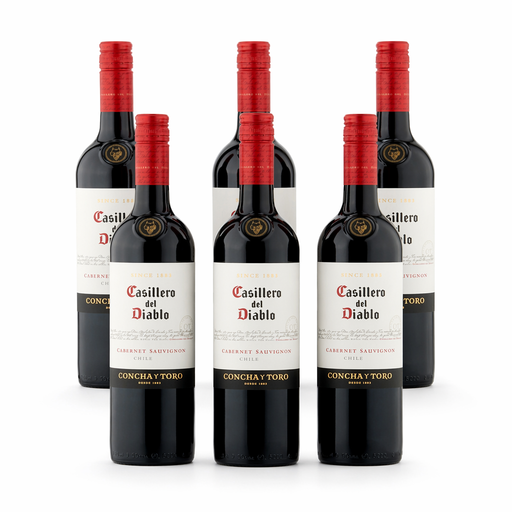
Why This Fits Their Persona: For those who entertain often or simply want their favourite on hand, buying a case of red wine is the most economical choice. This deal provides a supply of a trusted, versatile wine at a better per-bottle price.
This is a planned purchase that bypasses the risk of impulse buys based on flashy labels. You are committing to a wine you already know and trust, ensuring no money is wasted on gambles.
Cost-effective and convenient. Ensures you are always prepared for hosting or a quiet night in with a quality bottle.
We have compiled a complete, real-time list of products that fully satisfy these strict selection criteria and UK safety regulations.
For the best experience, serve Cabernet Sauvignon slightly below room temperature, ideally between 16-18°C. If the wine is too warm, the alcohol can seem more pronounced. If it's too cold, the aromas and flavours will be muted. For young, robust and tannic Cabernets, decanting the wine for 30 to 60 minutes before serving can help soften the tannins and allow the wine's full aromatic profile to emerge.
Once opened, a 75cl red wine bottle of Cabernet Sauvignon should be securely sealed with its original cork or a wine stopper. Stored in a cool, dark place (like a refrigerator), it will generally remain enjoyable for 3 to 5 days. Its high tannin and acid structure help preserve it better than lighter red wines. After this period, the wine will begin to oxidise, and its vibrant fruit flavours will start to fade.
Yes, in most cases, buying a case of red wine (typically 6 or 12 bottles) offers a lower price per bottle than purchasing them individually. This is an excellent strategy if you have found a wine you enjoy and consume it regularly. It not only saves money but also ensures you have a supply of your preferred wine on hand for dinners, impromptu gatherings or gifting.