
24/7 Customer Support

Free returns

Same-day & Next-day Delivery

Quality Guaranteed

Unlock Your Welcome Offers: FREE Delivery | Up to 80% OFF | Free 30-day JoyPlus trial
Download the APP
By Joybuy Product Recommendation Officer
Buying Cabernet Sauvignon red wine online can look straightforward until you compare grape varieties, regions, bottle sizes, alcohol content and food-pairing notes. A low price may suit a weekday meal, while a larger bottle or case deal could be more practical for entertaining. The challenge is separating useful product information from vague descriptions that make almost every wine sound identical.
This guide explains what to check before you buy Cabernet Sauvignon wine online, with practical recommendations for different drinking occasions and budgets.
Cabernet Sauvignon often has a structured, full-bodied style, but climate and winemaking make a noticeable difference. An Australian Cabernet Sauvignon may show ripe black fruit and gentle oak, while a Chilean Cabernet Sauvignon can offer cassis, black cherry and a smooth, approachable texture. Bordeaux red wine is commonly blended with grapes such as Merlot, which can create a softer, more savoury profile.
Do not choose solely by the grape name. Check the country, region and tasting description to understand whether the bottle is likely to be fruity, smooth, structured or oak-influenced.
A Cabernet Sauvignon 1.5L bottle contains twice as much wine as a standard 75cl bottle, but it is not automatically better value. Compare the price per litre and consider how quickly the bottle will be consumed after opening.
A mini Cabernet Sauvignon bottle, such as a 187ml serving, can be useful for individual occasions or reducing leftover wine. For dinner parties, a Cabernet Sauvignon case deal may offer a lower cost per bottle, but only if you already know that the style suits your guests.
Alcohol content can vary considerably. Examples in the available range include bottles at 11%, 13%, 13.5% and 14.5% ABV. A standard 75cl bottle at 14.5% contains approximately 10.9 UK units, while a 1.5L bottle at 13.5% contains around 20.3 units.
Most conventional wines are sulphite-containing wine products because sulphur dioxide may be used as a preservative. Always read the allergen statement. If you are looking for vegan-friendly red wine, check that the product explicitly states vegan suitability; vegetarian suitability does not always mean vegan suitability.
A bottle labelled Cabernet Sauvignon may be a single-variety wine or a blend. The Chateau Carbonneau Cuvée classique, Saint Foy 75cl combines Merlot and Cabernet Sauvignon, reflecting a traditional Bordeaux-style blend. By contrast, Camina Cabernet Sauvignon, La Mancha 75cl is presented as a Cabernet Sauvignon-led Spanish red.
Origin can help set expectations:
These are general regional tendencies rather than guarantees, so use the product description and label as the final reference.
Check both ABV and the number of UK alcohol units. A 125ml glass of wine at 14% ABV contains roughly 1.75 units, although the exact figure depends on the bottle. UK Chief Medical Officers advise adults not to regularly exceed 14 units per week, spread over three or more days.
Age restrictions apply: online alcohol purchases are for adults aged 18 and over. Do not drink and drive, and avoid alcohol during pregnancy.
Full-bodied red wine is often served too warm in centrally heated homes. Many Cabernet Sauvignon wines are more balanced when served slightly cool, commonly around 16–20°C, depending on the label instructions. Store unopened bottles away from direct sunlight and heat.
After opening, use the product label as the primary guide. Refrigeration can help preserve an opened bottle, but the wine’s condition will gradually change. A smaller bottle can be more convenient when you do not expect to finish a 75cl bottle within a few days.
The following options match different shopping needs rather than ranking wines from highest to lowest.
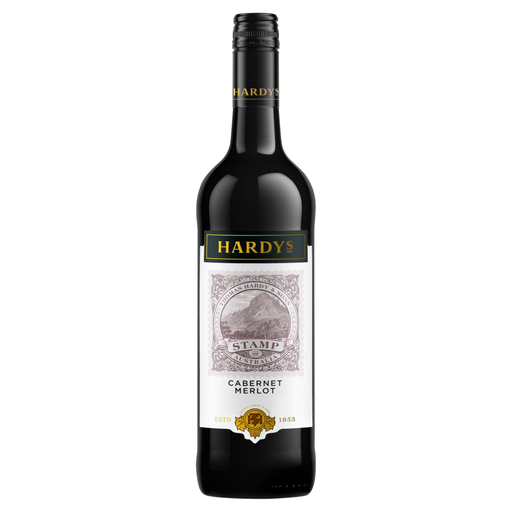
Why This Suits Them: Its 75cl format and 11% ABV make it a practical starting point for casual meals, shared suppers and everyday cupboards.
The label identifies the Australian origin, bottle size, ABV and sulphite allergen rather than relying only on broad marketing language.
75cl bottle; 11% ABV; suitable for shoppers seeking an approachable Australian red blend.
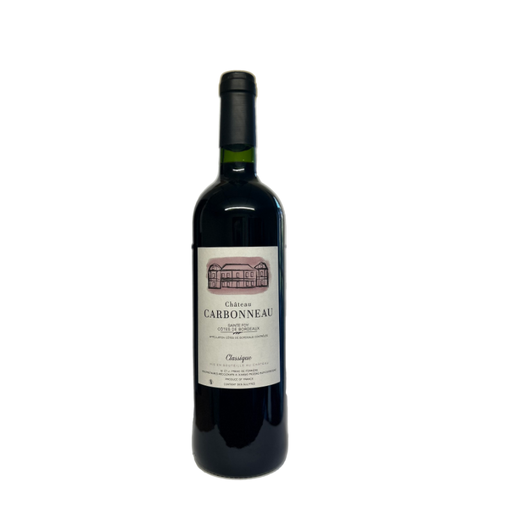
Why This Suits Them: A French Bordeaux-style blend for shoppers who want a more structured bottle for a dinner or occasion.
The product information states the Merlot and Cabernet Sauvignon blend, Saint Foy origin, 14.5% ABV and oak ageing.
Blackberry and blackcurrant tasting notes; suitable for beef, lamb and mature cheeses; 75cl format.
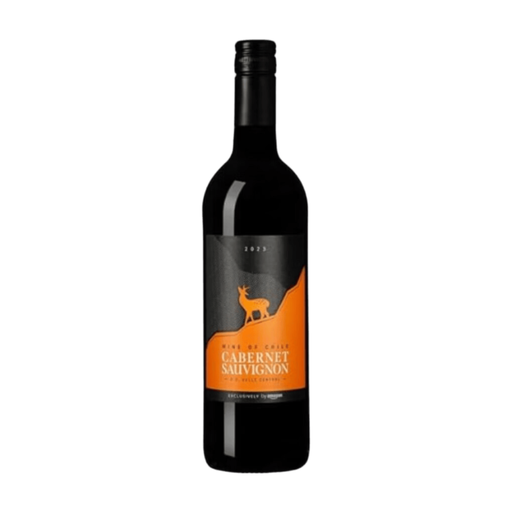
Why This Suits Them: The larger format is suited to dinner parties, celebrations and households that regularly serve red wine.
The 1.5L quantity, 13.5% ABV and approximately 20.3 UK units are clearly stated, helping buyers assess value and serving needs.
Chilean origin; notes of black cherry, blackcurrant and plum; practical for sharing.
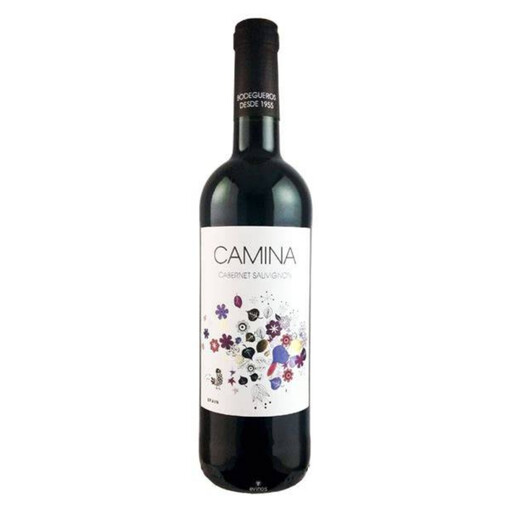
Why This Suits Them: A Spanish 75cl option for shoppers seeking a clearly labelled vegan-friendly red for meals and informal gatherings.
The product information explicitly identifies it as suitable for vegetarians and vegans, while also declaring sulphites.
13.5% ABV; dark-fruit and spice profile; pairs with steak, lamb, stews and hard cheese.
We have compiled a complete, real-time list of products that fully satisfy these strict selection criteria and UK safety regulations.
A structured, full-bodied red wine usually works well with dishes containing protein, fat or rich sauces. Consider:
Serve according to the product label, and allow a fuller wine a short period to breathe if the aroma initially seems closed.
No. Many examples are medium to full-bodied, but body depends on climate, alcohol, oak treatment, blending and winemaking. Check the product description rather than assuming every bottle will have the same weight or tannin.
Not necessarily. Compare the total price and price per litre. A larger bottle can reduce packaging per volume and suit entertaining, but it may be less convenient if only one or two people are drinking.
Follow the label instructions. Refrigerating a resealed bottle can slow deterioration, but many wines are intended to be consumed within a few days. A mini bottle may help reduce waste when you only want one serving.