
24/7 Customer Support

Free returns

Same-day & Next-day Delivery

Quality Guaranteed

Unlock Your Welcome Offers: FREE Delivery | Up to 80% OFF | Free 30-day JoyPlus trial
Download the APP
Buying Cabernet Sauvignon wine online should be straightforward, but product pages can make comparison harder than it needs to be. Bottle size, alcohol content, regional style and even grape composition can vary considerably. A wine described as “full-bodied” may be a blend, while an apparently attractive case deal may offer more alcohol than you planned to purchase.
This guide helps UK adults aged 18 and over compare Cabernet Sauvignon by flavour, format, food pairing and value before they buy.
Cabernet Sauvignon commonly brings blackcurrant, blackberry, plum, herbal notes and noticeable tannins, but climate and winemaking affect the final style. An Australian Cabernet Sauvignon may offer ripe dark fruit and a generous texture, while a French Cabernet Sauvignon from Bordeaux may show more savoury, earthy or structured characteristics.
Country of origin is useful, but it is not a complete description. Check the region, vintage where provided, alcohol percentage and whether the bottle is a blend.
Some red wines include Cabernet Sauvignon alongside Shiraz, Merlot or other grape varieties. For example, a Shiraz Cabernet blend may be fruitier and softer than a Cabernet Sauvignon labelled as a single-variety wine. This is not a flaw, but it matters if you specifically want classic cassis, firm tannins and a structured finish.
Read the ingredients and product description rather than relying only on the front label.
A Cabernet Sauvignon 1.5L bottle can be practical for a dinner party or larger gathering, but it contains around 20.3 UK units at 13.5% ABV. That is more than the UK Chief Medical Officers’ recommended maximum of 14 units per week for regular consumption. A 75cl bottle is easier to manage for a smaller meal, while a 187ml bottle may suit individual portions or gifting baskets.
Once opened, follow the product’s storage guidance and consider how quickly it will be consumed.
ABV affects both the wine’s weight and its total alcohol content. Products in this selection range from approximately 11% to 14.5% ABV. A 125ml glass can contain around 1.4 to 1.8 units depending on the bottle’s strength.
Always check the label or product page for the exact figure. Alcohol should be consumed responsibly; it is safest not to drink during pregnancy, and alcohol is unsuitable for anyone under 18.
Look for descriptions such as blackcurrant, cassis, black cherry, plum, vanilla, oak and spice. Tannins can help balance rich foods, making Cabernet Sauvignon a natural choice with steak, roast beef and lamb.
For wine and lamb pairing, choose a bottle with enough fruit and structure to complement the meat without overpowering it. A softer Cabernet blend can work well with burgers, stews and mature cheddar, while a more structured French style may suit braised beef or aged hard cheese.

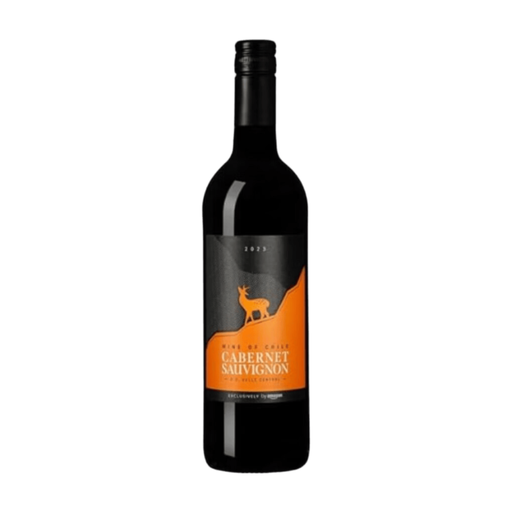
Why This Fits Their Persona: A standard 75cl Chilean bottle for shoppers wanting a familiar, full-bodied red wine style for weekday meals or casual entertaining.
The 75cl format avoids committing to a large bottle, while the product page identifies its Chilean origin, 12.5% ABV and sulphite allergen information.
Cassis and black cherry flavours; serve at 18–20°C according to the listing.
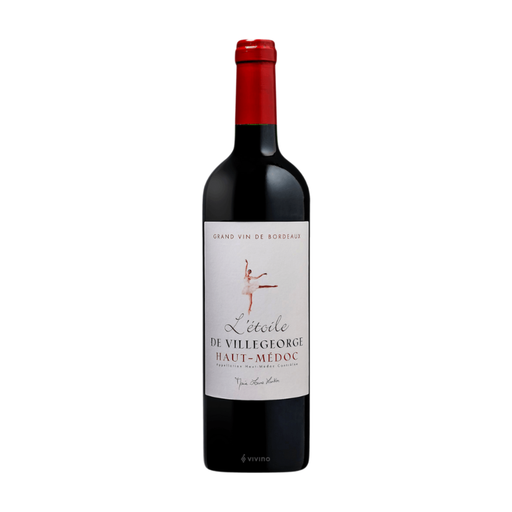
Why This Fits Their Persona: A Bordeaux option for shoppers seeking a more structured French Cabernet-based red for a dinner or considered gift.
The listing identifies the 2021 vintage, Haut-Médoc origin and grape blend, rather than presenting it as a single-variety Cabernet.
Blackcurrant, blackberry, cedar and earthy spice notes; 13.5% ABV and 9.8 UK units per bottle.

Why This Fits Their Persona: A 75cl Australian Coonawarra bottle for roast dinners, lamb chops, burgers and informal hosting.
The listing specifies Coonawarra, Australia, 13.5% ABV and a Cabernet Sauvignon–Merlot blend, helping set realistic expectations.
Blackcurrant, plum and vanilla notes; listed as suitable for vegetarians and vegans.
Why This Fits Their Persona: The larger format is designed for shared meals, dinner parties and shoppers comparing value-focused case deals.
The 1.5L capacity and 13.5% ABV are clearly stated, so buyers can compare quantity and UK units before ordering.
Chilean origin; black cherry, blackcurrant, plum and subtle toasted oak descriptions.
We have compiled a complete, real-time list of products that fully satisfy these strict selection criteria and UK safety regulations.
For an Australian Cabernet Sauvignon, consider Stump Jump Cab Sauv from McLaren Vale for mint, thyme, cherry and blackcurrant notes, or Wolf Blass Yellow Label for black plum, blackcurrant, vanilla and spice. California shoppers can compare Wente Vineyards Southern Hills Cabernet Sauvignon, listed with dark fruit, coffee and baking-spice notes.
A Chilean Cabernet Sauvignon is often a practical choice for fruit-forward everyday drinking, while a French bottle can offer a more structured Bordeaux profile. For a gift, a named region, vintage and suitable presentation may be more useful than a high alcohol percentage.
Usually, yes. Its dark-fruit character and tannins can complement the richness of grilled or roasted beef. Serve at the temperature stated on the product page and avoid serving it too warm.
This varies by wine and storage. Re-cork or reseal the bottle, keep it cool and follow the product instructions. Many listings recommend drinking within two to six weeks only for specific large-format storage guidance, while standard 75cl bottles are generally intended to be consumed within a few days after opening.
It may offer a lower price per bottle, but calculate the total cost and quantity before ordering. A case makes sense when you regularly serve red wine, have suitable storage and can use the bottles within their stated shelf-life guidance.