
24/7 Customer Support

Free returns

Same-day & Next-day Delivery

Quality Guaranteed

Unlock Your Welcome Offers: FREE Delivery | Up to 80% OFF | Free 30-day JoyPlus trial
Download the APP
Navigating the world of air travel can feel like a minefield of hidden costs, especially when it comes to luggage. A seemingly perfect cabin bag can quickly become a source of frustration and unexpected fees at the boarding gate. As your Joybuy Product Recommendation Officer, my role is to help you sidestep the marketing clutter and make informed choices. Before you buy your next piece of luggage, be aware of these common pitfalls that catch out even seasoned UK travellers.
To ensure your luggage is a reliable travel partner, focus on these core parameters. Getting these right will save you money and hassle in the long run.
The single most important factor is size. Airlines, particularly budget carriers, are extremely strict. Always check the specific allowance for the airline you fly with most frequently.
The choice between a hard or soft-sided bag depends on your travel style and priorities.
These components are critical for a smooth airport experience.
Instead of a one-size-fits-all approach, we've matched different types of cabin luggage to specific UK traveller profiles.
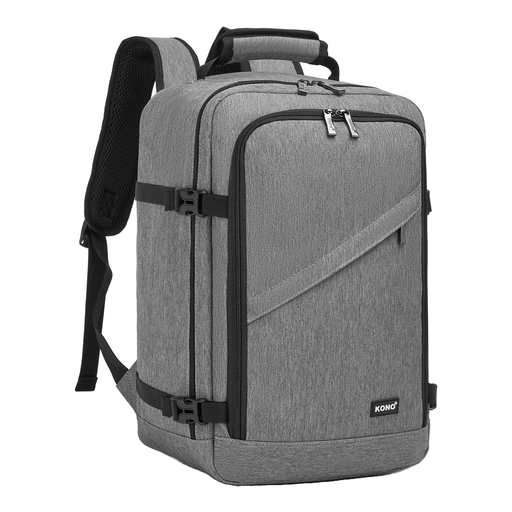
Why This Fits Their Persona: This traveller flies budget airlines frequently and their primary goal is to avoid extra fees. They need a no-nonsense bag that maximises the free personal item allowance for short 1-2 day trips.
It directly counters the "Airline Approved" illusion by being built to the exact 40x20x25cm Ryanair underseat specification, ensuring compliance and peace of mind at the gate.
Its backpack design offers hands-free convenience, while the suitcase-style opening makes packing efficient. At just 500g, it's extremely lightweight luggage.
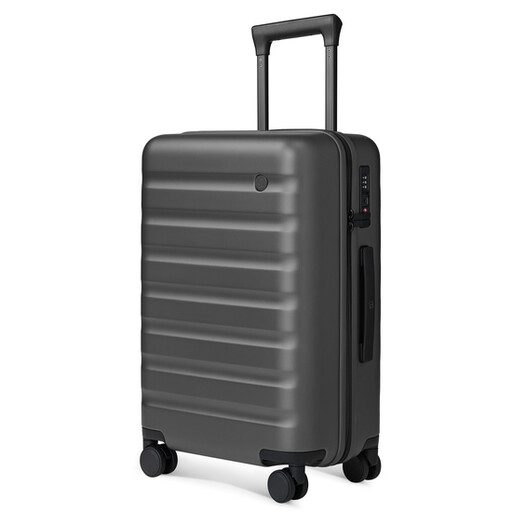
Why This Fits Their Persona: This person takes frequent city breaks or short business trips. They value durability, smooth handling and smart organisation in a stylish package that will withstand regular use.
It avoids the "flimsy hardware" trap with quality components like silent 360° spinner wheels, a robust double-tooth zipper and fully recessed handles and locks to prevent snagging and damage.
The 100% Polycarbonate hard shell suitcase is both lightweight and highly durable. The flush top handle creates a useful flat surface for a laptop or coffee on the go.

Why This Fits Their Persona: This user needs one bag that does it all: a gym bag, an overnight bag and a carry-on for a weekend away. They value flexibility and smart features that adapt to different situations.
This bag avoids the "paying for gimmicks" trap by offering genuinely useful features. The expandable base and dry/wet separation pocket are practical additions, not just marketing points.
Its key advantage is versatility. The zip-bottom expansion adjusts capacity as needed, and the rear trolley strap allows it to be securely attached to a larger suitcase for longer trips.
We have compiled a complete, real-time list of products that fully satisfy these strict selection criteria and UK safety regulations.
A 'cabin bag' is a general term for any luggage you take into the aircraft cabin. This is split into two types. A larger cabin bag (like a 20 inch suitcase) is stored in the overhead locker and is often included with standard tickets or available for a fee. An 'underseat bag' is a smaller personal item (like a backpack or holdall) that must fit under the seat in front of you. This is typically the only free allowance on basic fares with budget airlines like Ryanair.
Neither is definitively better; it depends on your needs. A hard shell suitcase offers more protection for its contents from impacts, making it ideal for fragile items. A soft shell bag, such as a travel backpack or weekender bag, is more flexible, can be compressed into tight spaces and usually has external pockets for easy access to travel documents.
Most new suitcases with TSA-approved locks are set to a default code of 0-0-0. To set your own combination, you typically need to: