
24/7 Customer Support

Free returns

Same-day & Next-day Delivery

Quality Guaranteed

Unlock Your Welcome Offers: FREE Delivery | Up to 80% OFF | Free 30-day JoyPlus trial
Download the APP
Buying Cadbury chocolate in the UK can seem straightforward, but pack size, texture, ingredients and intended use make a noticeable difference. A large sharing bar may be poor value if you want individually wrapped portions, while a bag of chocolate snacks may not work well for baking.
As the Joybuy Product Recommendation Officer, I focus on practical details rather than packaging promises. Here are the main buying pitfalls to avoid, followed by clear product matches for different households and occasions.
A larger bar is not automatically the most suitable choice. A 180g Cadbury Dairy Milk chocolate bar is designed for breaking into squares, sharing or using in recipes. By contrast, a Cadbury Twirl 3 Pack contains three individually wrapped bars, which can be more convenient for lunchboxes, portioning or storing separately.
Before comparing prices, check:
Multipacks may reduce the need to open a large bar repeatedly, but smaller individually wrapped bars can create more packaging waste.
Chocolate products can contain or may contain milk, soya, nuts, wheat or gluten-containing cereals. Recipes and manufacturing facilities can also change, so always read the latest packaging rather than relying solely on an older product listing.
For example, Cadbury Crunchie Rocks contains milk and gluten from barley, and may contain nuts. Cadbury Dairy Milk Whole Nut contains hazelnuts and may contain other nuts, almonds and wheat. These details matter when buying for families, schools or gatherings.
Some products are marked as suitable for vegetarians, but this does not mean they are vegan or suitable for every dietary requirement. Check the ingredient list and allergen statement for each product.
Milk chocolate bars, chocolate snacks and baking chocolate behave differently when melted. A standard Cadbury Dairy Milk bar can be chopped into brownies or used as a topping, but dedicated chocolate chips or dark cooking chocolate may provide more predictable results.
For baking, check:
White chocolate chips are useful for cookies and decoration, while dark cooking chocolate with a higher cocoa percentage generally provides a deeper flavour in brownies, ganache and sauces.
For personal snacking, a single bar or small bag may be sufficient. Families may prefer Cadbury chocolate multipacks, such as Freddo, Wispa, Caramel, Fudge or Curly Wurly formats, because each piece can be distributed individually.
Sharing products such as Cadbury Milk Tray 312g offer a selection of filled chocolates, but they contain several allergens, including hazelnuts, milk and soya. Always consider who will be eating them before purchasing.
The main difference between Cadbury products is often texture rather than cocoa content. Choose according to the eating experience you prefer:
A product’s texture also affects storage. Chocolate should be kept in a cool, dry place away from heat, sunlight and strong odours. This is particularly important for filled bars and products containing caramel.
Chocolate is an occasional treat, so compare the nutrition panel per serving as well as per 100g. For instance, the listed Cadbury Dairy Milk Chocolate Bar provides approximately 134 kcal per 25g serving, while the Cadbury Twirl 3 Pack lists approximately 114 kcal per 21.5g bar.
Serving sizes vary between products, making direct comparisons difficult unless you use the same reference amount. If you are buying for children or lunchboxes, individually wrapped portions can make quantities easier to manage.
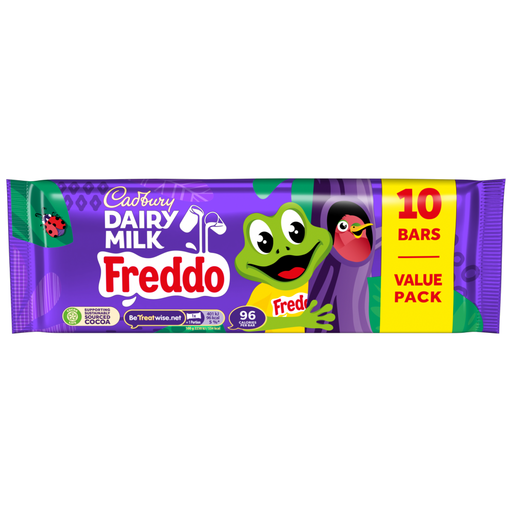
Why This Fits Their Persona: Ten individually portioned chocolate figures suit families, lunchboxes and occasional treats without opening a large sharing bar.
The 10-pack makes the number of portions clear, helping shoppers compare a multipack with larger bars by actual serving count.
10 individually wrapped pieces; 180g total weight; suitable for everyday sharing.
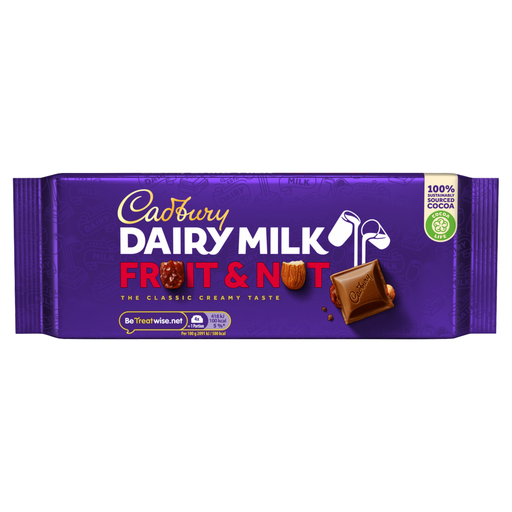
Why This Fits Their Persona: Raisins and almonds add contrasting textures for shoppers who want more than a plain milk chocolate bar.
The product description clearly identifies almonds and raisins, making it easier to spot the texture and allergen considerations before buying.
180g bar; includes raisins and almonds; listed at 500 kcal per 100g.

Why This Fits Their Persona: Home bakers making brownies, cakes, biscuits or sauces may prefer a defined cocoa percentage over a standard snacking bar.
It is labelled as cooking chocolate and specifies 70% minimum cocoa solids, rather than leaving the intended use unclear.
70% cocoa solids; suitable for melting into cakes, brownies, biscuits and sauces.
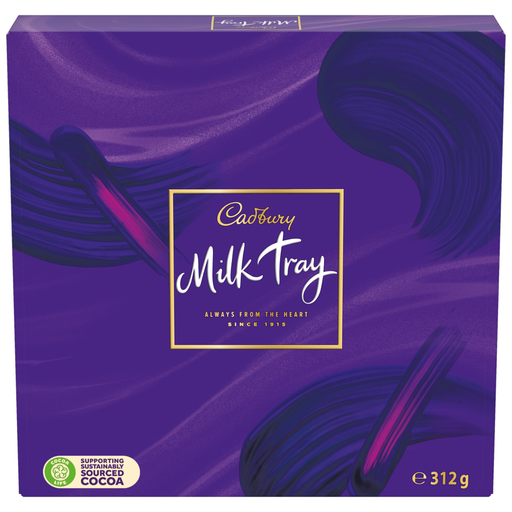
Why This Fits Their Persona: A larger assortment suits visitors, family gatherings and Cadbury chocolate gifts where several filled varieties are useful.
The 312g format is clearly stated, while the allergen list highlights hazelnuts, milk and soya before purchase.
312g assortment; suitable for sharing; individually varied filled chocolates.
We have compiled a complete, real-time list of products that fully satisfy these strict selection criteria and UK safety regulations.
Several listed Cadbury products are described as suitable for vegetarians, including certain bars and multipacks. However, recipes can vary by product, so check the packaging for the current vegetarian statement and allergen information.
Keep it in a cool, dry place away from direct heat, sunlight and strong-smelling foods. Avoid storing chocolate in damp areas, as changes in temperature can affect its texture and appearance.
Yes, plain milk chocolate bars can be chopped or melted for some recipes. For more controlled results, use baking chocolate, milk chocolate chips, white chocolate chips or dark cooking chocolate selected for the recipe. Follow the melting instructions and avoid overheating, particularly in a microwave.