
24/7 Customer Support

Free returns

Same-day & Next-day Delivery

Quality Guaranteed

Unlock Your Welcome Offers: FREE Delivery | Up to 80% OFF | Free 30-day JoyPlus trial
Download the APP
There’s little that compares to the simple, comforting pleasure of a warm mug of hot chocolate. For many in the UK, that classic taste is synonymous with Cadbury. Yet, navigating the hot beverage aisle reveals a surprising number of choices, and not all powders are created equal. A simple purchase can lead to disappointment if you overlook a few key details.
Before you add a tub to your basket, it’s worth understanding the common pitfalls. Many shoppers find their "instant" hot chocolate tastes thin and watery, or that a promising-looking powder is overwhelmingly sweet with very little actual chocolate flavour. This often happens when a product is designed for one preparation method but used for another, or when the ingredients list prioritises sugar over cocoa.
To ensure you get that perfect "hug in a mug" experience, focus on these two practical factors. They will help you distinguish between different types of hot chocolate powder and select the one that truly suits your taste.
The most significant factor influencing the final taste and texture is whether the powder is designed to be mixed with milk or just hot water.
The order of ingredients on the label tells you a lot about the flavour profile. If sugar is listed first, the product contains more sugar by weight than any other component. A higher cocoa powder content generally points towards a richer, more authentic chocolate taste. The classic Cadbury hot chocolate in the tub, for example, contains 25% cocoa powder, providing its distinctive flavour. Checking this helps you avoid overly sweet powders that require you to use more product per serving, making them less economical in the long run. Many options, including the core Cadbury range, are also a vegetarian hot chocolate, but it is always wise to confirm on the packaging.
Instead of a one-size-fits-all approach, we have matched our recommendations to different household needs and preferences.

Why This Fits Their Persona: This is for the person who wants the authentic, comforting hot chocolate experience they remember. They prioritise rich flavour over instant convenience and are happy to prepare it properly with milk on the hob or in the microwave. The large 500g hot chocolate tub is a pantry staple for the whole family.
It is explicitly a 'drinking chocolate' designed for milk, which sets clear expectations and avoids the 'watery instant' pitfall. Its simple, effective formula delivers a rich taste without unnecessary fillers.
Delivers the classic, rich Cadbury flavour. The powder is also versatile and can be used in baking for cakes and brownies.
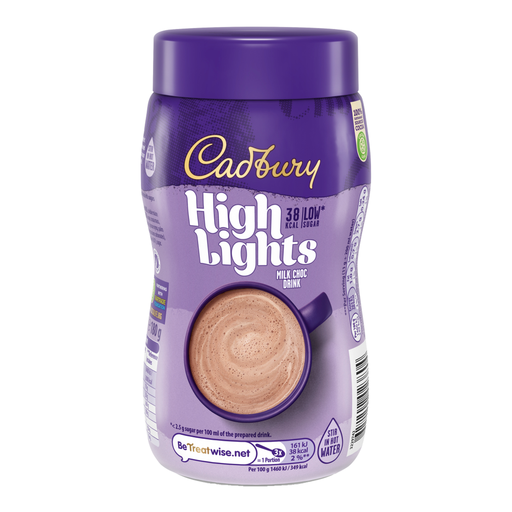
Why This Fits Their Persona: Perfect for someone who wants a quick, comforting chocolate fix without a high calorie or sugar count. Its 'just add water' formulation makes it a convenient choice for a workday break or a light evening treat.
This product is upfront about being a lower-calorie, lower-sugar option. Its formulation is specifically designed for water, using ingredients that create a pleasant texture and avoiding the thinness of using water with traditional powders.
Very low in calories (around 38 kcal per serving) and sugar. Extremely quick and convenient to prepare.
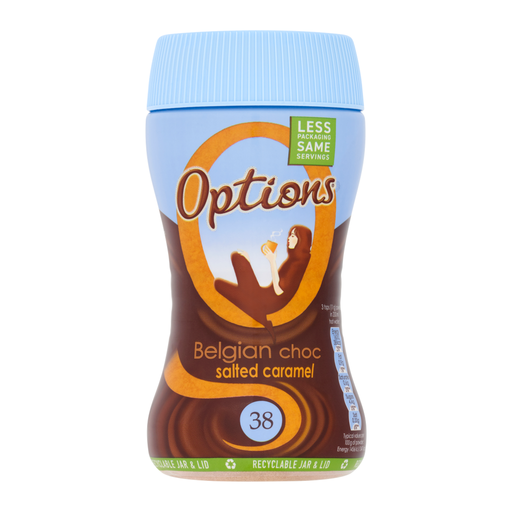
Why This Fits Their Persona: For those who enjoy a hot chocolate but are keen to try different flavour profiles. This offers a popular salted caramel twist on the classic, providing a more sophisticated, dessert-like drink that is still quick and easy to make.
It sidesteps the 'weak flavour' trap by delivering a distinct and enjoyable salted caramel taste. As another low-calorie instant option, it correctly sets the expectation of a lighter, convenient treat rather than a heavy, traditional one.
Offers an interesting and popular flavour combination. It is also gluten-free, suitable for vegetarians and low in calories.
We have compiled a complete, real-time list of products that fully satisfy these strict selection criteria and UK safety regulations.
For the classic Cadbury Drinking Chocolate powder, the key is to use hot milk, not water. Gently warm 200ml of milk in a saucepan or microwave—do not let it boil, as this can create a skin. Add three to four heaped teaspoons of the powder to your mug, pour on a small amount of the hot milk and stir to form a smooth paste. Top up with the rest of the milk and stir well for a perfectly smooth and creamy drink.
Yes, the standard Cadbury Drinking Chocolate powder is suitable for vegetarians. The ingredients are primarily sugar and cocoa powder. However, formulations can occasionally be updated, so it is always a good practice to double-check the ingredients list and suitability statement on the packaging before purchasing.
In the UK, the terms are often used interchangeably. However, there can be a subtle distinction. 'Drinking chocolate' typically refers to a powder, like the classic Cadbury tub, that is designed to be mixed with hot milk for a rich result. 'Hot chocolate' is a broader term that can also include 'instant' varieties formulated with milk powders and other ingredients, which only require hot water. The most reliable way to know is to check the preparation instructions on the label.