Adult hikers avoiding sugar
If you want a caffeinated drink without sugar, compare the amount of caffeine in the whole can. Plan the water and food you will carry separately.


Choose a zero-sugar energy drink for a hike only if you want a caffeinated drink without sugar; take water and food separately. Red Bull Sugarfree has 80 mg caffeine in a 250 ml can, while Monster Ultra and Monster Zero Sugar have 150 mg and 160 mg respectively in 500 ml cans, according to their manufacturers. Check the whole-can amount against caffeine from other sources, and do not assume that zero sugar means no sweeteners.
If you want a caffeinated drink without sugar, compare the amount of caffeine in the whole can. Plan the water and food you will carry separately.
A smaller can may make the serving easier to account for if you also drink coffee or tea or use another caffeinated product that day. Check the stated amount rather than judging by can size alone.
Zero sugar does not remove caffeine. If you are pregnant or breastfeeding, the NHS recommends no more than 200 mg of caffeine a day from all sources. If you are sensitive to caffeine or choosing a drink for someone under 16, consider a non-caffeinated option instead.
Start with the sugar declaration, then compare caffeine per whole can and decide what food and water the walk calls for.
| Priority | What to check | Your needs |
|---|---|---|
| Sugar and sweeteners | Read the sugar declaration and ingredients. Check for sweeteners if you avoid particular ones; sugar-free does not mean sweetener-free. | I want to avoid sugar, but I also want to know what gives the drink its sweet taste. Red Bull says its Sugarfree drink replaces sucrose and glucose with sucralose and acesulfame K. |
| Caffeine per can | Compare the amount for the entire can, not just per 100 ml. Red Bull states 80 mg per 250 ml Sugarfree can; Monster states 150 mg per 500 ml Ultra can and 160 mg per 500 ml Zero Sugar can. | A smaller stated serving may fit better if I have already had coffee, tea or another source of caffeine. I need to account for those sources as well as the can. |
| Food and water | Check the drink's sugar content against what you intend to carry as food. Plan water separately rather than treating a caffeinated can as the whole drinking plan. | For my walk, I want food and water packed independently of any optional energy drink. |
| Personal circumstances | Check the caffeine label and any warnings. The NHS recommends a maximum of 200 mg caffeine a day during pregnancy and while breastfeeding, counting all sources. | If I am pregnant, breastfeeding or sensitive to caffeine, the sugar declaration alone cannot tell me whether this drink suits me. |
The manufacturers state that the zero-sugar Red Bull Sugarfree and Monster options discussed here still contain caffeine.
Read the caffeine amount for the whole can and include coffee, tea and other caffeinated products when considering your intake.
A drink with 0 g sugar is not a substitute for the food you intended to take, and a caffeinated drink does not remove the need to plan water for the walk.
Pack food and water for the route separately; choose an energy drink only if you also want its caffeine serving.
Monster reports 150 mg caffeine in a 500 ml Ultra can and 160 mg in a 500 ml Zero Sugar can, compared with Red Bull's 80 mg in a 250 ml Sugarfree can.
If a smaller stated serving matters to you, compare the exact product and whole-can label before choosing a format.
A brand name alone does not establish that a particular drink is zero sugar or has the caffeine amount you want.
Red Bull Sugarfree is a 250 ml option for comparing a smaller stated caffeine serving with larger cans.
Monster Ultra and Monster Zero Sugar offer 500 ml zero-sugar formats with different stated caffeine amounts.
Check the specific Relentless variety rather than assuming an energy-drink brand offers the sugar declaration you want.
Lucozade describes its Zero range as zero-sugar soft drinks, a different product choice from the specified energy-drink cans above.
Tesco lists Red Bull Sugar Free and Monster Zero Sugar and Ultra multipacks among its energy drinks.
These are zero-sugar energy-drink options in 250 ml, 355 ml and 500 ml can formats for comparing what to carry on a hike. Pack sizes differ, so check both the number of cans and the serving in each can.
 No image available
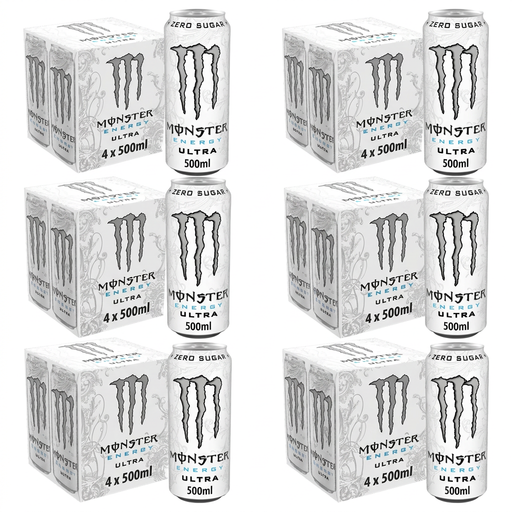
This pack offers 500 ml zero-sugar cans if you want a larger drink to carry. Monster states 150 mg caffeine per 500 ml Ultra can; check the pack label when accounting for caffeine from other drinks.
 No image available
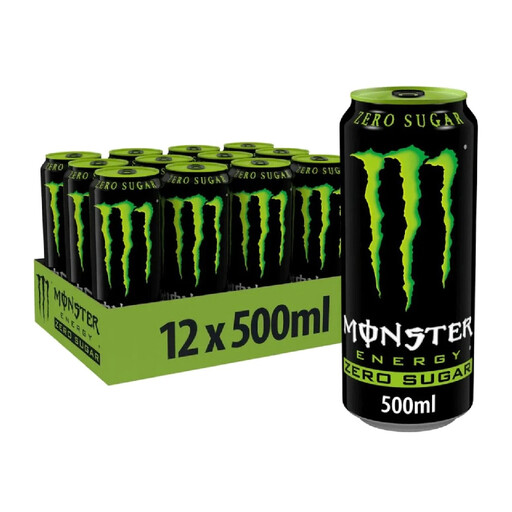
The pack contains twelve 500 ml zero-sugar cans, according to the Joybuy product description. If the caffeine serving is important to your choice, check the amount on this Green Zero Sugar variant's label rather than applying a figure from another Monster range.
 No image available
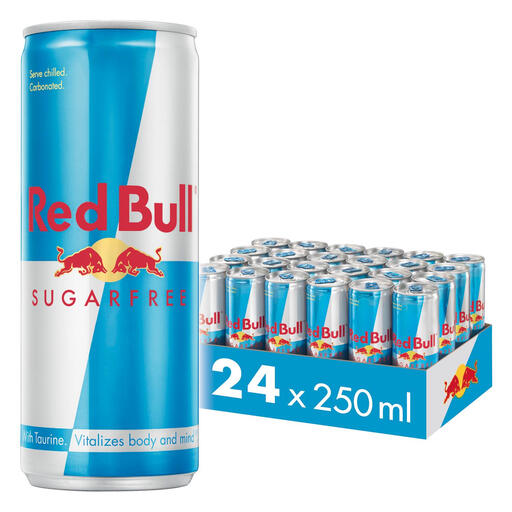
Each 250 ml can is a smaller serving than the 500 ml options here. Red Bull states 80 mg caffeine and no sugars per can; check the current pack ingredients if particular sweeteners matter to you.
 No image available
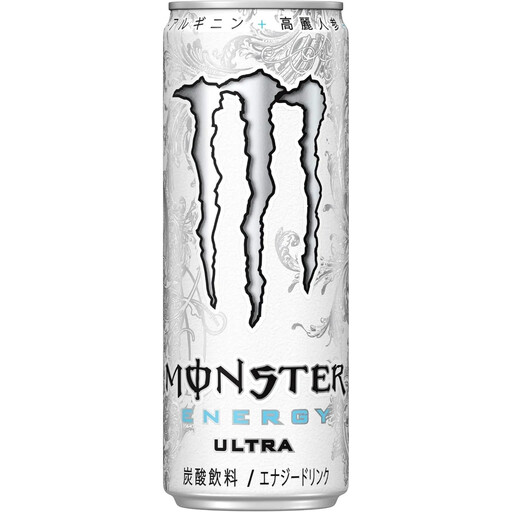
This 355 ml zero-sugar format offers a different can size from the 250 ml and 500 ml choices. Check the caffeine amount on the specific can before choosing it for a hike; its size alone does not establish the caffeine serving.
No. A sugar claim does not describe the caffeine content or mean that a drink contains no sweeteners. Red Bull says Sugarfree replaces sucrose and glucose with sucralose and acesulfame K, while a 250 ml can contains 80 mg caffeine.
Red Bull states 80 mg caffeine in a 250 ml Sugarfree can, compared with Monster's 150 mg in a 500 ml Ultra can and 160 mg in a 500 ml Zero Sugar can. Those figures describe the named products and formats; check the label of any different variant.
Do not count on it as a replacement for food you planned to take. A zero-sugar drink provides no sugar, and its caffeine serving is a separate consideration. Pack food and water for the walk independently of any energy drink.
Count caffeine from every source before considering an energy drink. The NHS recommends no more than 200 mg caffeine a day during pregnancy and while breastfeeding; coffee, tea and other foods or drinks can contribute alongside the can.