
24/7 Customer Support

Free returns

Same-day & Next-day Delivery

Quality Guaranteed

Unlock Your Welcome Offers: FREE Delivery | Up to 80% OFF | Free 30-day JoyPlus trial
Download the APP
Reducing caffeine does not mean giving up flavour or convenience. UK shoppers can choose from decaffeinated tea, herbal tea, caffeine-free cola, zero-sugar soft drinks, barley tea and stimulant-free pre-workout powders. However, packaging can make similar products appear interchangeable when their ingredients, sugar content and intended use are quite different.
Before buying caffeine-free drinks, watch for three common traps:
For tea and coffee, distinguish between these categories:
If you are avoiding caffeine for personal or dietary reasons, read the packaging every time, as formulations can change.
“Low-calorie drinks” can vary considerably. Compare the nutrition panel using the same quantity, such as per 100ml or per prepared cup.
For example, Sprite No Sugar 8x330ml lists 1 kcal and 0g sugar per 100ml, while Fanta Orange Zero Sugar 8x330ml lists 3.1 kcal and 0.4g sugar per 100ml. These figures are useful when choosing drinks for regular meals or keeping cans at home.
Instant ginger, jujube and honey-based drinks require extra attention. Dalgety Instant Ginger Tea contains ginger, honey and sucrose, with approximately 85g of sugar per 100g. It may be caffeine-free, but it is not equivalent to an unsweetened herbal infusion.
Consider how and when the drink will be used:
Look for clear storage instructions, best-before information and intact packaging. For powdered products, reseal the container and protect it from moisture.
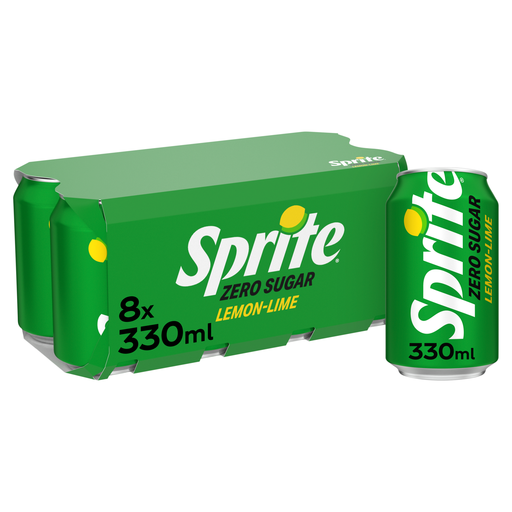
Why This Fits Their Persona: A convenient multipack for households wanting chilled, fizzy refreshment without sugar or caffeine.
The nutrition panel states 0g sugar and 1 kcal per 100ml, making the low-calorie positioning easy to verify.
330ml cans are easy to chill and store; lemon and lime flavourings provide a familiar soft-drink profile.
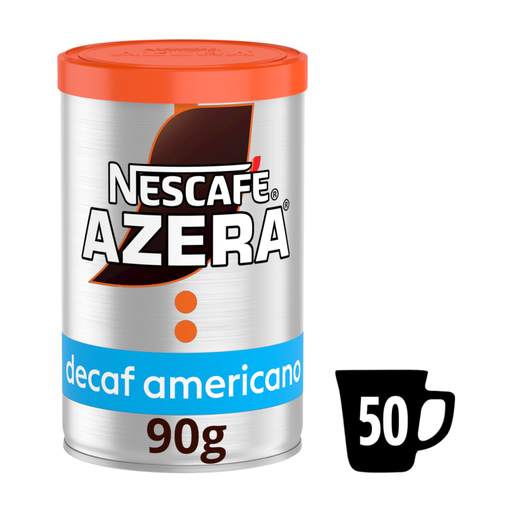
Why This Fits Their Persona: Suitable for coffee drinkers who want an instant Americano-style drink while reducing caffeine intake.
It is clearly identified as decaf and lists decaffeinated soluble coffee plus decaffeinated roast and ground coffee.
Instant preparation is straightforward; the listed nutrition is 1 kcal per 100ml when prepared.
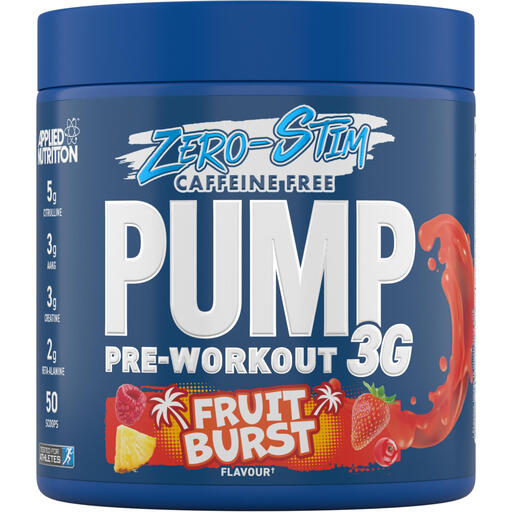
Why This Fits Their Persona: Designed for adults who train later in the day and specifically want a stimulant-free pre-workout format.
The formula is labelled zero stimulant and provides a stated 15g serving, rather than leaving portion size unclear.
Each serving lists 5g citrulline malate and 3g creatine monohydrate; it is intended for adults aged 18 and over.
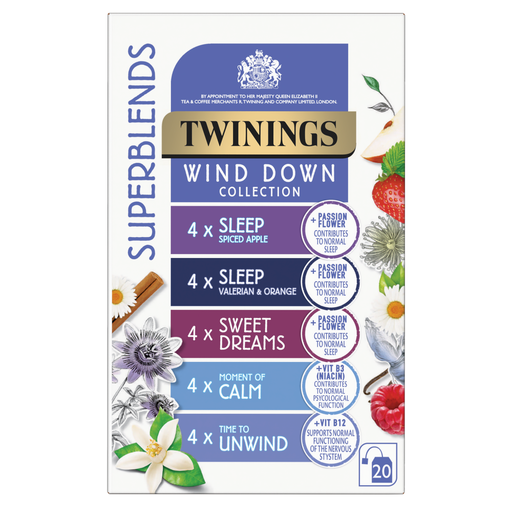
Why This Fits Their Persona: A practical choice for people who enjoy variety, with five fruit and herbal infusion profiles for evening routines.
The ingredients for each blend are listed separately, allowing shoppers to check botanicals such as chamomile, lemon balm and valerian.
The prepared infusions listed contain around 1–2 kcal per 100ml and less than 0.5g carbohydrate per 100ml.
We have compiled a complete, real-time list of products that fully satisfy these strict selection criteria and UK safety regulations.
Usually not. Decaffeinated tea has had most of its caffeine removed, but trace amounts may remain. If complete avoidance is important, consider an infusion made without tea leaves, such as barley tea, peppermint tea or a clearly labelled herbal tea. Always check the current packaging.
No. Unsweetened herbal tea and many brewed infusions are very low in calories, but concentrates containing honey, sucrose or fruit ingredients can be high in sugar. Compare the nutrition panel per serving and follow the preparation instructions.
A stimulant-free pre-workout is designed without caffeine or similar stimulants, but it remains a dietary supplement with active ingredients. Check the serving instructions, age guidance, allergen information and warnings. Do not exceed the stated amount, and seek medical advice before use if you are pregnant, taking medication or managing a health condition.