
24/7 Customer Support

Free returns

Same-day & Next-day Delivery

Quality Guaranteed

Unlock Your Welcome Offers: FREE Delivery | Up to 80% OFF | Free 30-day JoyPlus trial
Download the APP
Navigating the world of caffeine-free drinks can feel like a chore. Whether you're looking for a soothing bedtime drink to help you unwind, a refreshing alternative to your afternoon coffee or simply trying to reduce your caffeine intake, the choices are overwhelming. Unfortunately, many products hide behind clever marketing, leading to purchases that don't quite meet expectations.
As the Joybuy Product Recommendation Officer, my role is to help you see past the hype. Many shoppers fall into common traps, such as choosing drinks with misleading "natural flavouring" labels that are far from the pure ingredients you expect, or picking "healthy" herbal infusions that are unexpectedly high in sugar. Another frequent pitfall is selecting a "relaxation tea" that contains only trace amounts of the ingredients meant to provide a calming effect. This guide will help you identify these issues and make a more informed choice.
Before adding a product to your basket, a quick check of its core features can save you from disappointment. Focusing on these three areas will ensure you get a drink that genuinely suits your needs.
The term "natural" can be ambiguous. A truly high-quality caffeine-free drink will have a clear and simple ingredients list. Look for specific, whole ingredients rather than vague terms.
Many people seek out caffeine-free drinks for a specific purpose, whether it's for relaxation, digestion or a simple evening refreshment.
Your lifestyle will influence the best format for you. Ready-to-drink bottles are perfect for on-the-go refreshment, while tea bags offer a quick and easy way to brew a hot cup at home or in the office. Instant powders that dissolve in water provide another convenient option, especially for those who enjoy a consistently flavoured beverage.
Based on the criteria of ingredient transparency and fitness for purpose, here are a few recommendations tailored to different needs and preferences.
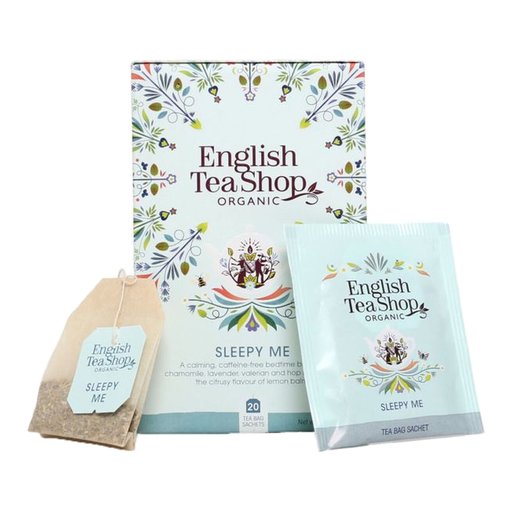
Why This Fits Their Persona: This is for the individual who wants to establish a calming pre-sleep ritual. They need a reliable bedtime drink that helps them transition from a busy day to a restful night without the stimulating effects of traditional tea.
It avoids vague "relaxation" claims by using a clear blend of chamomile, lavender, hop leaves and valerian root—ingredients traditionally used in herbal preparations for sleep.
Certified organic ingredients ensure purity. The blend offers a harmonious, aromatic flavour profile that is pleasant for evening consumption.

Why This Fits Their Persona: This person is looking for a functional digestion tea to enjoy after a meal. They want something that tastes refreshing and specifically targets that feeling of fullness or discomfort, without added sugars or artificial ingredients.
It sidesteps the hidden sugar trap common in functional drinks. The flavour comes from a high concentration of mint and fennel (39% each), not from added sweeteners.
This blend is fortified with zinc, which contributes to normal macronutrient metabolism. It also contains active probiotics selected to survive in hot water.

Why This Fits Their Persona: This is for someone who loves the taste of a fizzy cola but wants to avoid caffeine, especially in the evenings. They aren't necessarily looking for a "health" drink, but a familiar, enjoyable treat that won't disrupt their sleep.
It directly addresses the need for a mainstream soft drink without the stimulant. It doesn't pretend to be a herbal remedy; it's simply a caffeine-free version of a popular beverage.
Delivers the familiar bold cola taste with no sugar and no caffeine. It's a straightforward swap for anyone looking to cut down on stimulants without giving up their favourite fizzy drink.
We have compiled a complete, real-time list of products that fully satisfy these strict selection criteria and UK safety regulations.
Are all herbal teas naturally caffeine-free? Not always. While most infusions made from herbs, flowers and fruits (like peppermint, chamomile, or rooibos) are naturally free from caffeine, some are not. Yerba Mate, for example, is a herbal tea that contains caffeine. It's always best to check the packaging for a "caffeine-free" statement if you want to be certain.
What is the difference between 'caffeine-free' and 'decaffeinated'? "Caffeine-free" (or "naturally caffeine-free") means the plant the product is made from never contained caffeine in the first place. This applies to most herbal and fruit teas. "Decaffeinated" means the product, such as black tea or coffee, originally contained caffeine that was later removed through a processing method. Decaffeinated drinks may still contain very small, trace amounts of caffeine.
Are there hidden sugars in fruit teas? This is a common concern. While the fruit itself contains natural sugars, some pre-packaged fruit tea blends have added sugar or artificial sweeteners to enhance the flavour. To avoid this, check the ingredients list. Look for blends where fruit pieces, herbs and spices are the primary components, and where "sugar" or "syrup" is not listed, or is very low on the list.