People avoiding caffeine after supper
A fruit-flavoured name is not a caffeine statement. Check the exact blend and pack before choosing it for an evening drink.


For a hot drink after a late supper, choose a blend whose exact pack says it is caffeine-free rather than relying on the words ‘fruit tea’. Berry, citrus and apple-and-spice blends offer different flavour directions, but their ingredients also differ: check the list for botanicals such as liquorice root. If pregnancy, breastfeeding, medicines or a health condition affect your choice, ask a pharmacist, midwife or clinician about the specific blend.
The useful starting point is whether you want a fruit flavour, a caffeine-free statement, or closer control over the ingredients in an evening cup.
A fruit-flavoured name is not a caffeine statement. Check the exact blend and pack before choosing it for an evening drink.
Berry-led, citrus-led and apple-and-spice infusions offer different directions. Compare the named ingredients rather than treating ‘fruit tea’ as one flavour.
Read the full ingredient list and declared allergen information, particularly if pregnancy, breastfeeding, medicines or a health condition makes an individual ingredient important to your choice.
Start with the caffeine statement on the exact product, then choose a flavour direction and review its ingredients. Pack format and brewing instructions matter if you want a straightforward cup after supper.
| Priority | What to check | Your needs |
|---|---|---|
| Caffeine | Look for a caffeine-free statement on the exact pack. Do not extend a statement about one blend to a whole fruit-tea range. | I want a hot drink after supper without relying on the category name to tell me its caffeine status. |
| Flavour | Compare the named fruit, citrus and spice ingredients. Twinings describes its Cranberry & Raspberry blend as tart and tangy; Pukka lists wild apple, cinnamon and ginger in Wild Apple & Cinnamon. | A sharper berry or lemon direction appeals to me, or I would rather have an apple-and-spice flavour. |
| Ingredients | Read the current ingredient list and declared allergen information. Twinings lists liquorice root in both Cranberry & Raspberry and Raspberry & Lemon; other blends have different botanicals. | I need to check what is in this particular blend, not assume that ‘natural’ or ‘herbal’ makes every ingredient suitable for me. |
| Preparation | Check whether the pack contains tea bags or a pouch, and follow its own quantity and steeping instructions. | For a late cup, individually portioned bags may suit my routine; with a pouch, I want to check how the pack says to prepare it. |
Twinings, Clipper and Pukka label particular fruit or herbal infusions as caffeine-free. That does not establish the status of every fruit-flavoured tea they sell.
Check the caffeine statement for the exact blend you intend to buy.
A flavour description does not show that an infusion improves sleep or treats a condition. NHS guidance also cautions that herbal medicines are not suitable for everybody; it is not a safety ruling on every herbal tea.
Choose an evening infusion for its stated caffeine status and ingredients. Ask a pharmacist, midwife or clinician about a specific botanical if your circumstances call for advice.
Blends described as fruit or herbal tea can contain different botanicals, including liquorice root. Allergen information and the full ingredient list answer different questions when you are checking a product.
Read both on the current pack, especially if you have a dietary restriction or need advice about an individual ingredient.
These brands illustrate different fruit and herbal-infusion ranges; ingredient and caffeine statements still need to be checked blend by blend.
Its Cranberry & Raspberry and Raspberry & Lemon infusions provide two fruit-led examples for comparing berry and citrus flavours.
Clipper offers herbal infusions including Lemon & Ginger and Blackcurrant & Blueberry.
Wild Apple & Cinnamon is an apple-and-spice option alongside Pukka’s other herbal blends.
Its herbal range includes Super Fruit as well as non-fruit options such as peppermint and chamomile.
These options include lemon-and-ginger infusions and soursop-based herbal alternatives. The soursop teas are alternatives to a fruit-forward blend, not examples of the berry or apple-and-spice flavours discussed above; check each current pack for its caffeine statement and ingredients.
 No image available
A lemon-and-ginger option for someone considering citrus flavours after supper. The pack contains 20 tea bags; check its current caffeine statement, full ingredients and brewing directions before use.
 No image available
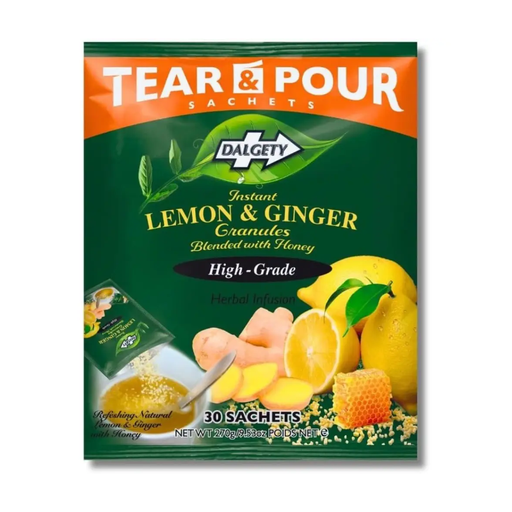
The 270g pouch is another lemon-and-ginger format, rather than a box of individually portioned bags. Check the pack for its caffeine statement, ingredients, quantity per cup and steeping instructions.
 No image available
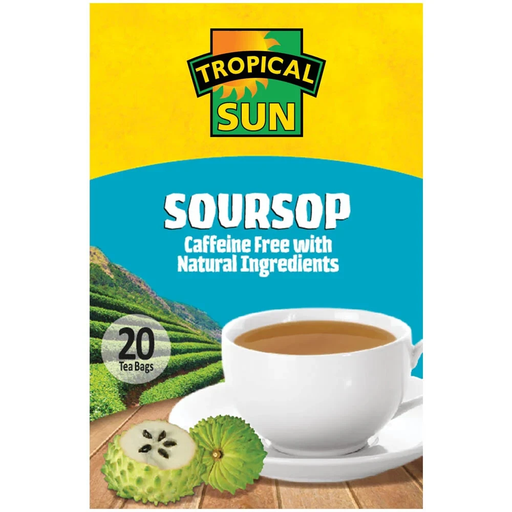
This 20-bag soursop tea is a herbal alternative if you do not specifically want a berry, citrus or apple-and-spice blend. Check the current pack for its caffeine statement, ingredients and preparation directions.
 No image available
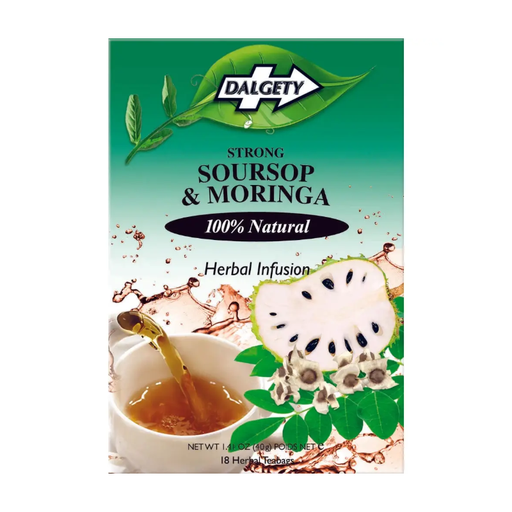
The 40g soursop-and-moringa blend is a herbal alternative, not a fruit-forward berry or citrus infusion. Check the current pack for its caffeine statement, full ingredients and brewing instructions; seek advice about the botanicals if your circumstances require it.
No: use the caffeine statement on the exact product rather than its fruit-tea name. Twinings labels Cranberry & Raspberry and Raspberry & Lemon naturally caffeine-free, and Clipper and Pukka make the same statement for the specific Lemon & Ginger and Wild Apple & Cinnamon blends named here; those statements do not cover every blend in their ranges.
Choose the flavour you want, then check the exact product’s caffeine statement. Twinings describes Cranberry & Raspberry as tart and tangy; lemon-led examples offer a citrus direction, while Pukka Wild Apple & Cinnamon lists apple, cinnamon and ginger for a spiced option. None of those flavour directions establishes an effect on sleep or digestion.
A caffeine-free statement answers one question, not what else is in the blend. For example, Twinings lists liquorice root in its Cranberry & Raspberry and Raspberry & Lemon infusions. Read the current ingredient list and declared allergen information for the product you are buying.
Do not assume that a caffeine-free label settles whether a particular botanical blend suits your circumstances. NHS guidance cautions that herbal medicines are not suitable for everybody, although it does not establish the suitability of an individual tea. Ask a pharmacist, midwife or clinician about the specific ingredients when you need personal advice.