Who is choosing the drinks?
The right tea range depends on both the catering routine and the individual guidance staff follow when serving each resident.
Care-home catering and hospitality leads
Select a manageable range of flavours and pack sizes for regular drinks service. Norfolk and Waveney Integrated Care System guidance says residents’ preferences and clinical requirements should be met alongside their nutrition and hydration needs.
Teams serving residents with swallowing plans
Check each resident’s care plan before offering a drink. Where thickened fluids are prescribed, NHS Specialist Pharmacy Service says the finished drink must reach the required IDDSI consistency and be checked when served.
Teams managing medicine-related checks
Review new herbal ingredients against residents’ medicine records and seek appropriate clinical advice where needed. NHS information identifies a concern involving warfarin and chamomile tea, and cautions that the safety of herbal remedies with clopidogrel is not established.
What should the home check?
Start with the product label and ingredients, then assess whether the drink can be prepared and offered in line with residents’ care plans.
| Priority | What to check | Your needs |
|---|
| Caffeine status |
Look for an explicit caffeine-free statement on the individual product. Read the ingredients rather than relying on the word “decaf” or a tea category name. |
I need to know that a drink selected for a caffeine-free menu is the specific infusion named on the approved stock list. |
| Resident preference |
Check which flavours residents accept and refer to individual assessments or care plans when offering drinks. A plain chamomile option and a flavoured blend need not suit the same person. |
Residents should have a choice they will accept, without the tea range taking the place of their individual drinks plan. |
| Preparation and packs |
Compare bag count and brewing directions with the home’s service routine. For example, Clipper specifies 2–5 minutes for its 250-envelope catering chamomile product; Twinings specifies one bag in 200 ml for three minutes for Pure Camomile. |
I want staff to be able to prepare the chosen drink consistently and replenish it in a pack format that suits regular service. |
| Thickened drinks |
For residents with a swallowing recommendation, follow their prescribed IDDSI level and the approved thickener’s instructions. NHS Specialist Pharmacy Service advises checking consistency at administration. |
If someone is prescribed thickened fluids, I need the finished tea to match their individual instructions, not a standard tea-making method alone. |
| Ingredients and medicines |
Read the full botanical and allergen information for each blend. Check medicine records and seek pharmacist, prescriber or clinical-team advice where an interaction concern arises. |
A short ingredient list makes checks simpler, but I cannot assume chamomile is suitable for someone taking warfarin or that a caffeine-free multi-herb blend suits everyone. |
Brand and retail references
These examples show different pack formats and ingredient profiles; a brand’s wider range should not be assumed to share one product’s specifications.
Clipper
Clipper Tea Shop lists an Organic Chamomile Infusion in a 250-envelope catering format.
- The listed infusion contains organically grown chamomile, is labelled naturally caffeine-free and has a 2–5 minute infusion instruction.
- A single floral flavour may not meet every resident’s preference; individual ingredient, medicine and swallowing checks still apply.
Twinings
Twinings has both pure camomile and more strongly flavoured herbal infusions.
- Pure Camomile is listed as naturally caffeine-free in a 20-bag pack, with a stated preparation of one bag in 200 ml for three minutes.
- Other blends have different ingredients: Twinings Lemon & Ginger, for instance, lists ginger root, lemongrass, sweet fennel and flavourings.
Pukka
Pukka Three Chamomile is a smaller-pack chamomile option labelled naturally caffeine-free by Pukka Herbs UK.
- Its stated caffeine status makes the named product an option to assess for a caffeine-free range.
- The label alone does not establish whether chamomile suits a resident’s medicines or preferences.
Teapigs
Teapigs lists a 40-tea-temple chamomile product made with whole chamomile flowers.
- Teapigs describes that specific product as naturally caffeine-free and lists pure chamomile flowers as its ingredients.
- Check the format and preparation against the home’s service routine, as well as each resident’s suitability.
Tesco
Tesco lists an own-label Camomile Infusion in a 40-bag format alongside branded products.
- The stated bag count gives catering teams a pack size to compare with their replenishment routine.
- Check the specific pack or product details for its caffeine statement, ingredients and allergen information before approving it for the menu.
Herbal tea options on Joybuy
These products offer peppermint, chamomile and flavoured herbal choices in several pack sizes. Compare each named blend with residents’ preferences and care records before making it part of routine service.
 No image available
Dalgety Moringa with Peppermint Tea 40g
A moringa-and-peppermint blend for residents who prefer that flavour combination. The product information describes it as caffeine-free and specifies 20 individually wrapped bags with a 3–5 minute brew time. Check both ingredients against individual records before offering it.
View on Joybuy
 No image available
Twinings Pure Peppermint, 80 bags
An 80-bag peppermint option where that flavour suits residents’ preferences. The product information describes the infusion as caffeine-free and lists peppermint as its ingredient. Check the pack’s brewing directions when setting up a consistent service method.
View on Joybuy
 No image available
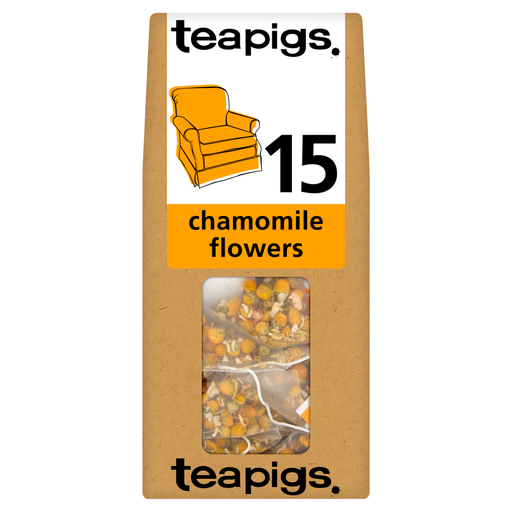
Teapigs Chamomile Flowers, 15 tea bags, 180g
A smaller chamomile pack to consider where residents accept its floral flavour. The product information identifies chamomile flowers and describes the infusion as caffeine-free. Check brewing directions for the service routine; for residents taking warfarin, seek appropriate medicine advice in light of the concern identified in an NHS-hosted review summary.
View on Joybuy
 No image available
Pukka Chamomile Vanilla & Manuka Honey, 20 sachets, 32g
A flavoured chamomile option for residents who prefer a blend rather than plain chamomile. Its product information describes it as naturally caffeine-free, lists chamomile, fennel, liquorice, honey flavouring and vanilla, and gives a 5–15 minute brewing range. Check those ingredients and the brewing time against individual records and the service routine; chamomile also warrants medicine review for residents taking warfarin.
View on Joybuy
 No image available
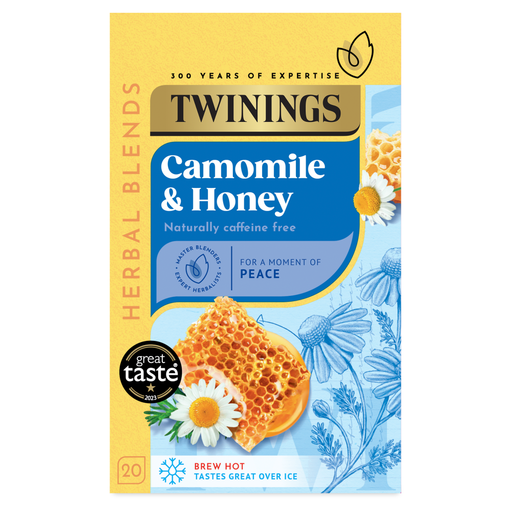
Twinings Camomile Honey & Vanilla, 20 bags
A 20-bag flavoured camomile choice to compare with residents’ preferences. The product information describes it as caffeine-free and identifies camomile and flavourings; the flavour name should not replace a check of the full ingredients. Confirm brewing directions on the pack and review chamomile suitability for residents taking warfarin.
View on Joybuy
Care-home herbal tea questions
Are herbal tea and decaf tea the same thing?
No. Decaffeinated tea generally refers to tea that has undergone caffeine removal, while herbal infusions are made from other plants. For a caffeine-free care-home menu, check the individual product’s explicit caffeine statement and ingredients rather than relying on “decaf” alone.
Can herbal tea be part of a resident’s drinks offer?
Yes, where it suits the resident’s preferences and individual requirements. Norfolk and Waveney Integrated Care System guidance says care homes should meet residents’ nutrition and hydration needs, preferences and clinical requirements; Leeds City Council advises referring to the care plan or assessment when offering drinks.
How should tea be served when thickened fluids are prescribed?
Prepare the drink in line with the resident’s prescribed IDDSI level and the approved thickener’s instructions, then check its consistency when served. NHS Specialist Pharmacy Service notes that mixing requirements vary between thickener products, so a standard tea-making method is not enough.
Is chamomile automatically suitable for residents taking medicines?
No. An NHS-hosted review summary identifies a bleeding-risk concern involving warfarin and chamomile tea, while NHS guidance says there is not enough information to establish that other herbal remedies are safe with clopidogrel. Check the resident’s medicine record and seek appropriate pharmacist, prescriber or clinical-team advice before routinely introducing a herbal drink.
Does the residential-care food-safety supplement cover every UK care setting?
No. The GOV.UK and Food Standards Agency residential-care supplement states that it applies to England, Northern Ireland and Wales and is not intended for nursing homes. Check which food-safety guidance and procedures apply to the home’s location and type of service.


