
24/7 Customer Support

Free returns

Same-day & Next-day Delivery

Quality Guaranteed

Unlock Your Welcome Offers: FREE Delivery | Up to 80% OFF | Free 30-day JoyPlus trial
Download the APP
Cake and cookie baking mixes can make birthdays, afternoon teas and weekend baking far simpler. They also reduce the need to measure several dry ingredients, which is useful when baking with children or preparing a quick dessert after work.
However, convenient packaging does not always mean the mix suits your recipe, equipment or dietary requirements. Before buying, look beyond photographs and flavour descriptions. The preparation method, yield, allergen information and storage instructions often matter more than the front-of-pack claims.
Some mixes require only water and oil, while others need eggs, butter or several additional ingredients. A cake mix may look inexpensive until you add the cost of eggs, oil, icing and decorations.
Check the full preparation list before ordering. For example, Wright’s Chocolate Fudge Cake Mix requires 200ml water and 60ml vegetable oil, whereas a vanilla cake mix may also require eggs. A cookie mix can need butter as well as water.
A 425g cake mix may produce two 20cm cakes or around 12 portions, depending on the product and recipe. A smaller cookie mix may produce fewer biscuits, while a brownie mix can be designed for a specific tray size.
Always compare finished yield, not just pack weight. This is particularly important for family gatherings, children’s parties and batch baking.
“Vegetarian” does not mean gluten-free, dairy-free or suitable for people with allergies. Ingredients and “may contain” statements vary between products. For example, a gluten-free cake mix may still state that it may contain egg, milk or soya.
Read the current packaging before purchase and preparation. Where a serious allergy is involved, consider possible cross-contamination information and follow the advice of the relevant medical professional.
Most easy baking mixes still require an oven, a mixing bowl, a tin or baking tray and cooling time. Check whether the instructions suit a fan oven, conventional oven or Gas Mark setting. UK recipes commonly list all three, but temperatures can differ.
For example, the Wright’s chocolate mix specifies 180°C conventional, 160°C fan or Gas Mark 4, with a baking time of approximately 40–45 minutes for a cake. Cupcakes take considerably less time, so the intended format affects convenience.
Compare the ingredient list rather than relying solely on product imagery. Common allergens in these products include wheat, gluten, egg, milk and soya. Some mixes are labelled suitable for vegetarians, but that does not automatically cover vegan diets.
If you are looking for vegetarian baking mixes, check the exact product description and packaging. For gluten-free baking, select a product specifically labelled gluten-free, such as a rice-flour-based chocolate cake mix, while still checking its may-contain statement.
A larger multi-pack can be useful for regular home bakers, but it may not offer value if you only bake occasionally. Check the number of portions, unopened storage conditions and how long the finished bake can be kept.
Most dry mixes should be stored in a cool, dry place. Once baked, cakes and brownies commonly need an airtight container, while some products can be frozen. Do not eat raw dough or batter; follow the preparation and cooking instructions on the pack.
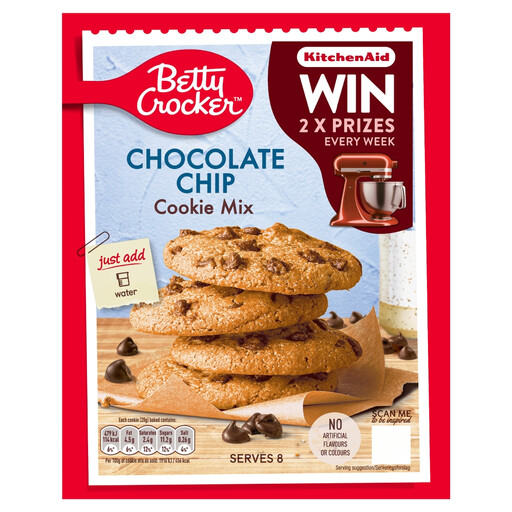
Why This Fits Their Persona: A compact option for beginners who want a small baking project without committing to a large cake or multi-pack.
The pouch clearly identifies the need for water and butter, helping you budget for the additional ingredients before baking.
Chocolate chips are included, and the product is labelled vegetarian with no artificial flavourings or colourings.

Why This Fits Their Persona: Suitable for bakers who want a chocolate cake base that can also be used for cupcakes, traybakes or a pudding-style dessert.
Its preparation instructions state the required liquid and oil quantities, while separate cupcake timings reduce the risk of overbaking smaller portions.
The 500g mix contains chocolate chips, is suitable for vegetarians and can be stored or frozen after baking.
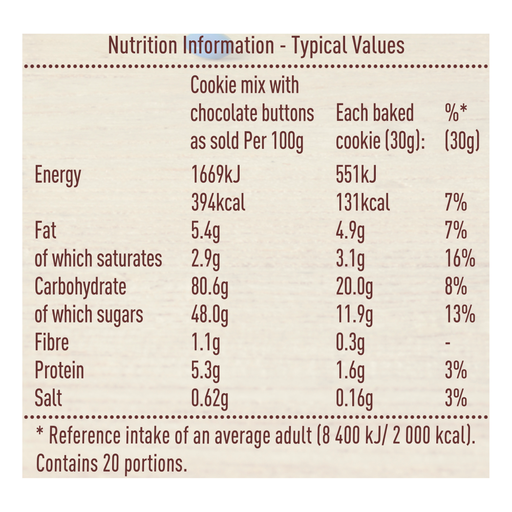
Why This Fits Their Persona: Colourful chocolate chips offer a hands-on decorating opportunity for children during parties, weekends or school-holiday baking.
The ingredient and allergen information highlights milk, soya and wheat, as well as possible egg and nut traces, making checks more straightforward.
The 495g pack is designed for a larger cookie batch and the product is suitable for family participation.

Why This Fits Their Persona: A practical choice for shoppers specifically seeking a gluten-free chocolate cake base for gatherings or everyday baking.
The product is identified as gluten-free, but its may-contain egg, milk and soya statement still needs checking for individual dietary requirements.
It uses rice flour, potato starch and cornflour, and is labelled suitable for vegetarians with no artificial colours or preservatives.
We have compiled a complete, real-time list of products that fully satisfy these strict selection criteria and UK safety regulations.
Yes. They reduce weighing and measuring, but beginners should still check the tin size, oven temperature and required wet ingredients. Mixing for too long can affect texture, so follow the packet instructions and use a skewer or the stated baking time to check doneness.
Storage varies by recipe. Once baked, many cakes should be kept in an airtight container and used within the period stated on the packaging. Cookies generally benefit from an airtight container, while brownies can often be frozen. Allow bakes to cool fully before storing to limit condensation.
No. Gluten-free cake mixes are designed without gluten-containing ingredients, but they may still contain or potentially come into contact with allergens such as egg, milk, soya or nuts. Read the label each time, particularly when baking for someone with an allergy or medically required gluten-free diet.