
24/7 Customer Support

Free returns

Same-day & Next-day Delivery

Quality Guaranteed

Unlock Your Welcome Offers: FREE Delivery | Up to 80% OFF | Free 30-day JoyPlus trial
Download the APP
Choosing cake moulds and tins is not simply a matter of picking an attractive shape. The wrong material, loose-fitting base or unclear temperature limit can lead to stuck cakes, uneven baking and bakeware that is difficult to maintain. For UK kitchens, where oven sizes and storage space vary considerably, the right choice should match your recipes, cleaning preferences and available cupboard space.
Non-stick performance can decline if a tin is scratched, overheated or cleaned with abrasive products. Metal utensils and scouring pads may damage the coating, while repeated dishwasher cycles can affect some finishes. Check whether the manufacturer recommends hand washing and use silicone or wooden tools when releasing baked goods.
Flexible silicone cake moulds are convenient for releasing cakes, chocolates and frozen desserts, but a filled mould can be difficult to carry to the oven. A flat baking tray underneath provides support and helps prevent spills. Integrated handles can also improve handling, although oven gloves remain essential.
A decorative mould may look suitable online but produce portions that are too small or too deep for your recipe. Always check the listed measurements and capacity. A 21cm round cake tin, for example, will not produce the same thickness or cooking time as a 24cm tin. If you regularly bake for families or gatherings, a mini cake pan or 12-cup format may be more practical than a single novelty shape.
Silicone is flexible, lightweight and useful for intricate shapes. Several moulds in this selection are listed as heat resistant up to 230°C, and are also suitable for microwave, freezer and dishwasher use. However, always place flexible silicone on a stable tray and follow the stated temperature limit.
Carbon steel and aluminised steel provide firmer support and can conduct heat efficiently. They are particularly suitable for everyday cakes, breads, cheesecakes and pastries. A metal tin may be preferable when you need crisp edges or a stable structure, but its coating should be protected from metal utensils.
For all oven-safe bakeware, check whether it is designed for ovens only. Some springform tins are not suitable for microwaves, hobs, induction surfaces or open flames.
A standard fixed tin can work well when lined or greased correctly. A removable base cake tin helps lift delicate cakes out without turning them upside down, while a springform cake tin uses a side latch to release the outer ring. These designs are useful for cheesecakes, tarts and soft sponges, but inspect the seam before adding runny batter.
Silicone releases through gentle flexing once the bake has cooled. This is helpful for detailed shapes such as butterflies, trains and gingerbread figures, although sharp utensils should not be used against the mould.
A round cake tin is a versatile option for sponges and layered cakes. Square, heart, rectangular and novelty moulds are better suited to themed parties or specific recipes. Cupcake moulds and mini pans create individual portions, which can be useful for children’s parties, afternoon tea and portion-controlled serving.
Review the care instructions before purchase. Some products are dishwasher safe, while others recommend hand washing to preserve the coating or colour. This small detail can make a noticeable difference to long-term convenience.
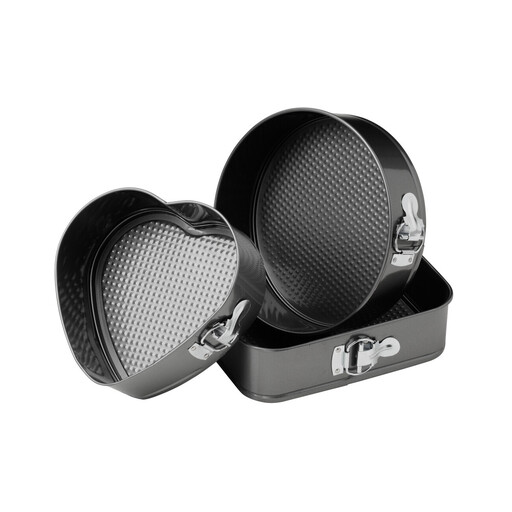
Why This Fits Their Persona: A three-piece set gives beginners round, square and heart-shaped options for family baking and special occasions without buying separate tins.
The springform sides and non-stick coating are designed to support easier release, reducing reliance on forceful scraping.
Three shapes, carbon-steel construction, non-stick surface and dishwasher-safe specification.
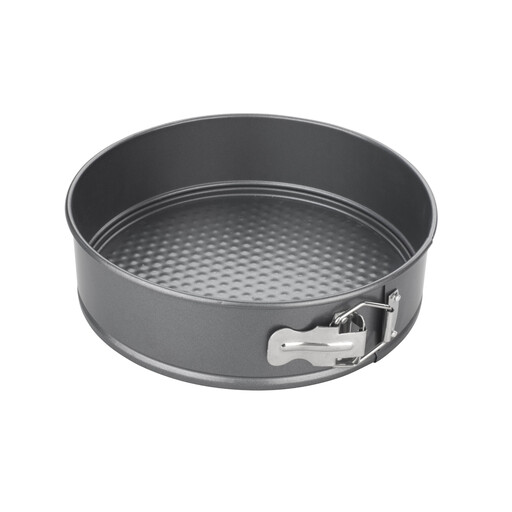
Why This Fits Their Persona: This round tin suits bakers who want one adaptable piece for sponges, cheesecakes, pies and quiches, with convenient storage in the fridge or freezer.
The secure latch and removable base address the common problem of damaging delicate cakes during unmoulding.
Carbon steel body, Goldflon non-stick interior, springform release, and dishwasher, fridge and freezer specifications.
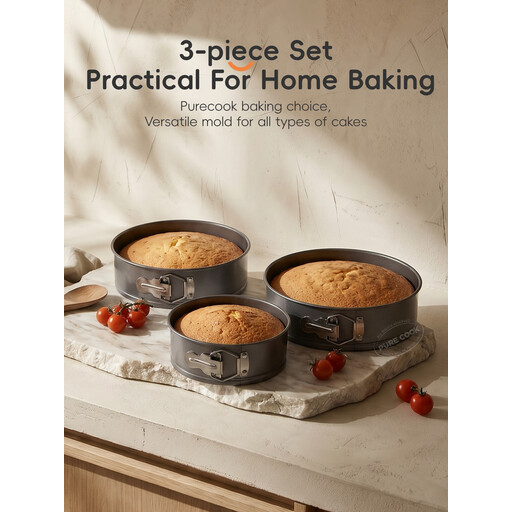
Why This Fits Their Persona: Three round sizes are useful for frequent bakers making cheesecakes, layered cakes or different portions for gatherings.
The stated oven-only use makes the limitations clear, while the hand-wash instruction helps protect the non-stick coating.
Three sizes—18cm, 20cm and 24cm—with quick-release clips and carbon-steel construction.
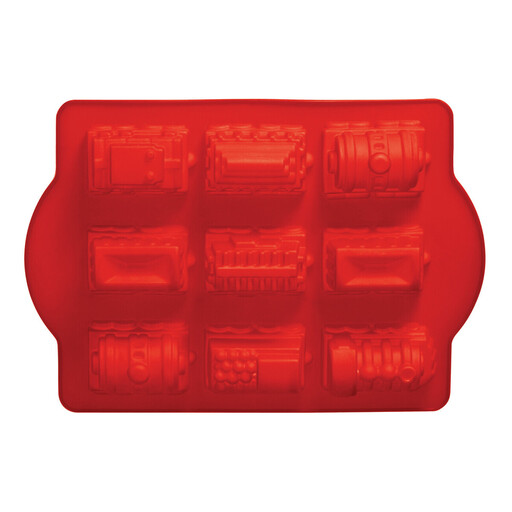
Why This Fits Their Persona: The train-shaped cavities are suited to children’s parties, themed treats and family baking activities, including cakes or chocolates.
Flexible silicone supports release from detailed cavities, while the listed multi-use temperature range helps with baking, chilling and microwave preparation.
Nine train shapes, flexible silicone, heat resistance up to 230°C, and dishwasher, microwave and freezer suitability.
We have compiled a complete, real-time list of products that fully satisfy these strict selection criteria and UK safety regulations.
A good tin is only part of a practical setup. Consider adding:
For example, reversible pastry cutters can provide straight or fluted edges in different sizes, while a mini round cake pan is useful for individual portions, muffins, mini cheesecakes and quiches.
They can be, provided the product is specifically labelled for oven use and the temperature limit is followed. Place the mould on a firm tray before filling it, and allow the bake to cool before gently flexing the sides.
A springform design is practical for cheesecake because the side ring can be released without turning the dessert out. However, check the seam for a secure fit and use a lining or water-bath protection if your recipe contains a particularly fluid mixture.
Avoid metal tools, abrasive cleaners and overheating. Follow the manufacturer’s cleaning instructions, dry the tin fully before storage and avoid stacking heavy items inside it. If the coating becomes visibly damaged, replacing the tin is a sensible food-preparation precaution.