
24/7 Customer Support

Free returns

Same-day & Next-day Delivery

Quality Guaranteed

Unlock Your Welcome Offers: FREE Delivery | Up to 80% OFF | Free 30-day JoyPlus trial
Download the APP
Buying cake tins and baking moulds can look straightforward until a cake sticks, a springform leaks or a flexible mould collapses while being moved to the oven. Product pages often focus on colour, coating names and decorative shapes, but the details that affect everyday use are usually material, dimensions, release design and care requirements.
Whether you bake Victoria sponges, cheesecakes, fruit tarts, quiches or children’s party cakes, a suitable tin should match the recipe and the way you work in the kitchen. Use the following checks to avoid paying for features that do not solve your actual baking problems.
“Non-stick” describes a surface treatment, not a guarantee of permanent easy release. Coatings can be scratched by metal utensils, scouring pads or careless stacking. Some tins also require hand washing even when the coating appears durable.
Check the manufacturer’s care instructions before buying. If you prefer dishwasher convenience, choose a product specifically listed as dishwasher safe. For hand-wash-only bakeware, use a soft sponge and avoid abrasive cleaners.
A round cake tin, square cake mould or heart-shaped cake mould may look suitable online but still be too shallow, too wide or incompatible with your recipe. A recipe written for a 20cm tin may bake differently in a 24cm pan: the mixture will be shallower and may need less time in the oven.
Also check the external dimensions if your oven is compact. Handles can add width, while fluted sides reduce the usable flat base area.
Oven-safe bakeware is not automatically suitable for a hob, grill or open flame. Silicone moulds are generally flexible and useful for oven baking, but they need support when filled. Metal bakeware may conduct heat more quickly and can have different temperature limits depending on its coating.
Always follow the stated maximum temperature. For example, several silicone moulds in this range are rated to 230°C, while the Maison by Premier Pastel Blue Pie or Flan Mould is listed to 220°C. Neither should be used on a hob or open flame.
Carbon steel offers a firm structure and conducts heat efficiently, making it practical for everyday cakes. Look for a stated thickness where available. The KitchenAid Metal Bakeware range uses 0.8mm metal, which provides a rigid body designed to help reduce bending during standard oven use.
Aluminised steel is another durable option. The KitchenAid cake pan and quiche pan use this material and are listed as oven safe to 230°C. Metal tins are stable when filled, although they can be heavier than silicone and may require lining or greasing depending on the recipe.
A silicone cake mould is lightweight, flexible and easy to demould by gently flexing the sides. It should be placed on a baking sheet before filling, as the flexible walls can make a full mould difficult to carry safely. Silicone is also useful for decorative designs, including fluted pie edges, hearts and butterflies.
A standard coated tin may be sufficient for firm sponge cakes, but delicate desserts benefit from a removable base cake tin or spring mechanism. A springform cake tin has a detachable side wall operated by a clip, allowing the cake to remain on its base while the ring is removed.
This is particularly useful for cheesecakes, mousse layers and soft gateaux that could crack if turned upside down. A loose-base design can also make removal easier, but check whether the base sits securely and whether the tin is suitable for wetter mixtures.
For general family baking, round tins between approximately 20cm and 24cm can cover many recipes, but always match the tin size to the instructions. A 20cm springform cake tin is a practical choice for smaller cakes, while a 24cm model provides more capacity for larger desserts.
A pie and flan mould or quiche pan usually has a shallower profile and shaped sides for pastry presentation. A square cake mould creates clean edges for layered bakes, whereas a heart-shaped design suits themed occasions. Shape should support the type of bake you make most often rather than being selected only for appearance.
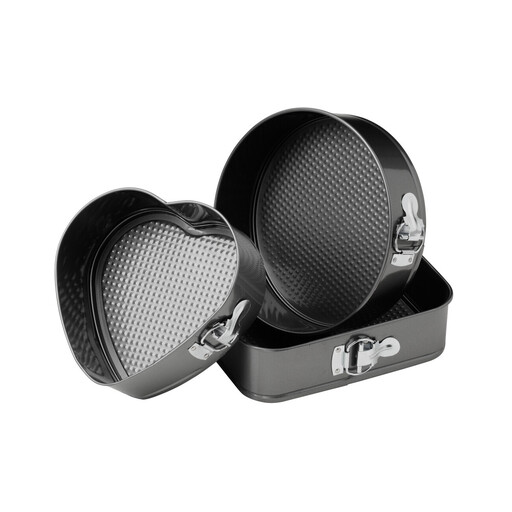
Why This Fits Their Persona: A three-piece set gives new bakers round, square and heart shapes for family recipes, celebrations and everyday experimentation without buying each tin separately.
The springform sides detach from the bases, reducing the need to invert delicate cakes. The set also avoids committing to one shape only.
Carbon steel construction, non-stick coating, three shapes and dishwasher-safe care.
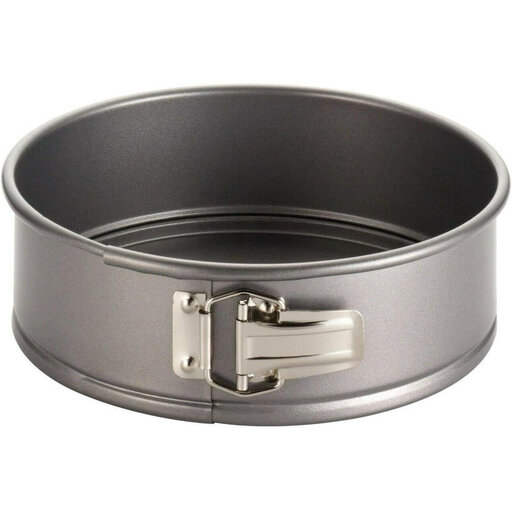
Why This Fits Their Persona: This larger metal springform suits regular bakers who want a firm tin for celebration cakes, cheesecakes and layered desserts.
The removable sides address the risk of damaging soft desserts during release, while the 0.8mm body provides a clearly stated construction detail.
24cm diameter, non-stick interior, removable sides and oven-safe performance up to 230°C.
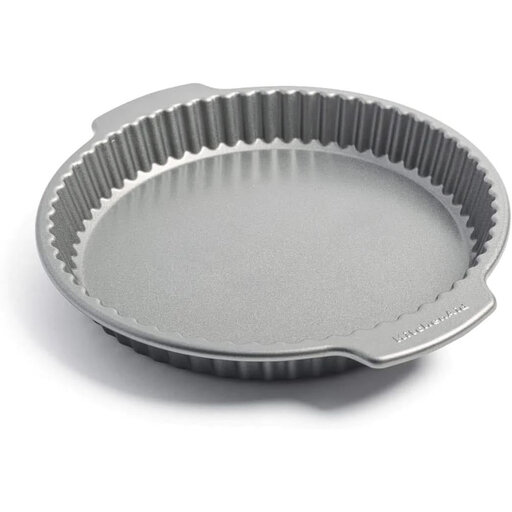
Why This Fits Their Persona: Designed for households that regularly make savoury bakes, shortcrust pastries, tarts and flans rather than only conventional cakes.
Its defined quiche shape avoids using a deep cake tin for shallow pastry dishes, and the stated temperature limit helps with recipe planning.
28cm aluminised steel construction, non-stick finish, sculptured edge, dishwasher safe and oven safe to 230°C.
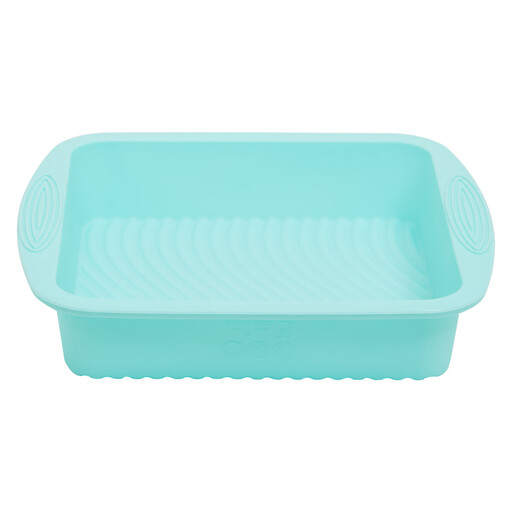
Why This Fits Their Persona: The square format creates a different presentation for birthdays, tray-style desserts and layered cakes, while integrated handles help with oven handling.
The flexible silicone sides support release without forcing a fragile cake out through a rigid opening. Placing it on a baking sheet addresses stability when filled.
Food-grade platinum silicone, square shape, integrated handles and heat resistance up to 230°C.
We have compiled a complete, real-time list of products that fully satisfy these strict selection criteria and UK safety regulations.
Yes, provided the mould is labelled oven safe and used below its stated maximum temperature. Silicone moulds should usually sit on a baking sheet for support. They can be convenient for release, but their flexibility means they are less stable than rigid metal when carrying a full mixture.
A springform cake tin is often a practical choice for cheesecake because the side ring can be released without turning the dessert upside down. Check that the latch closes securely and consider lining the base for recipes with a loose or crumbly crust.
Lifespan depends on frequency of use, storage and cleaning. Avoiding metal utensils, abrasive products and excessive heat helps preserve the coating. Replace a tin if the surface is visibly peeling, heavily scratched, warped or no longer releases food as intended.