
24/7 Customer Support

Free returns

Same-day & Next-day Delivery

Quality Guaranteed

Unlock Your Welcome Offers: FREE Delivery | Up to 80% OFF | Free 30-day JoyPlus trial
Download the APP
From a simple Victoria sponge for a weekend treat to a multi-layered showstopper for a birthday, the right cake tin is the unsung hero of any successful bake. Yet, navigating the world of baking tins can be surprisingly tricky. With so many options available, it’s easy to end up with a cupboard full of bakeware that warps, sticks or leaks.
As the Joybuy Product Recommendation Officer, my role is to help you sidestep the common pitfalls and find equipment that delivers consistent results. Before you make your next purchase, let’s look at the frequent issues that can turn a baking dream into a kitchen frustration.
To ensure your baking is a success from the start, focus on these key parameters. They are the difference between a reliable tool and a disappointing purchase.
The material of your cake tin directly impacts how it heats and its overall durability.
The way you get your cake out of the tin is crucial, especially for more fragile bakes.
Finally, consider what you bake most often. A round cake tin of around 20-23cm (8-9 inches) is a versatile starting point. For traybakes and brownies, a square cake tin is essential. If you’re a frequent baker, a cake tin set can offer great value and flexibility for tiered cakes.
Don't overlook cake tin liners. Pre-cut siliconised paper circles or rolls of greaseproof paper are a simple way to guarantee a clean release, protect your non-stick coating and make cleanup significantly faster.
Instead of a one-size-fits-all approach, we've matched some reliable options to different types of home bakers.
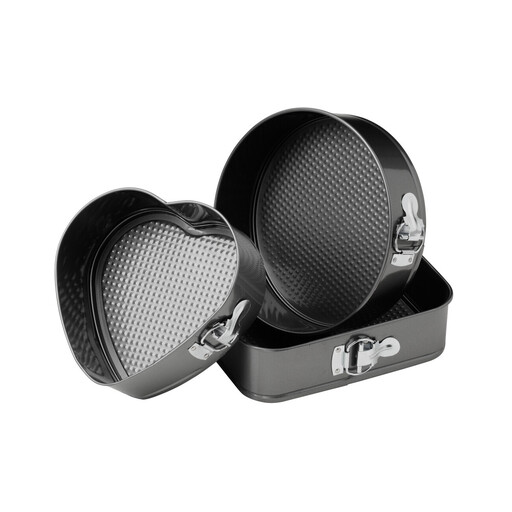
Why This Fits Their Persona: For those starting their baking journey or who bake for special occasions, this set provides versatility without a large investment. It includes round, square and heart shapes, covering birthdays, holidays and everyday treats.
The springform design directly addresses the challenge of removing cakes cleanly. The simple but effective latch mechanism is designed to avoid the "leaky latch" issue with standard batters.
The set of three different shapes offers excellent versatility. Being dishwasher safe adds a layer of convenience that is ideal for beginners or those with busy lifestyles.
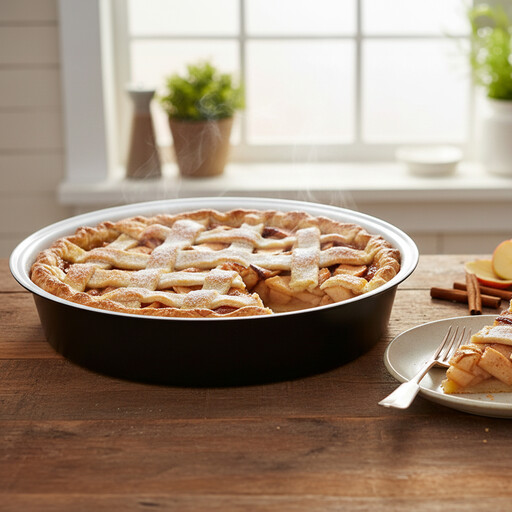
Why This Fits Their Persona: This baker is an enthusiast who values performance and safety. They need a tin that can handle frequent use and higher temperatures without compromising on quality or releasing unwanted chemicals.
Its robust carbon steel construction and heat resistance up to 280°C directly counteracts the "warping base" problem. The mineral-based, PTFE/PFOA-free coating avoids the "non-stick illusion" by offering a durable, safer surface.
The primary advantage is its high heat resistance and chemical-free coating, providing both performance and peace of mind. Efficient heat conduction ensures even baking results every time.
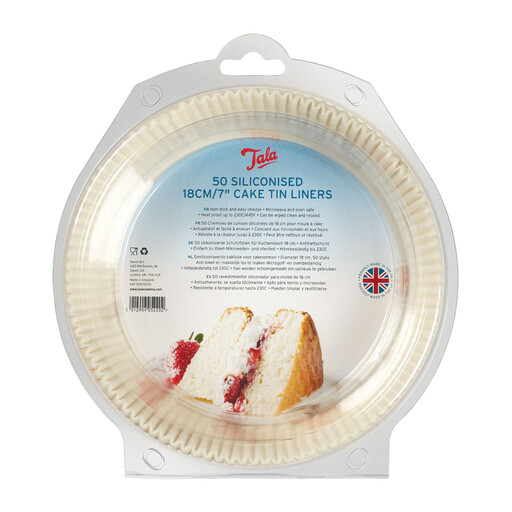
Why This Fits Their Persona: This isn't a tin, but an essential for anyone who refuses to accept a single crumb out of place. For the baker who wants a guaranteed clean release every time, these liners are a non-negotiable part of the process.
This completely bypasses the "non-stick illusion" by providing a foolproof barrier between the cake and the tin. It also prevents leaks in loose-base tins and makes cleanup effortless, protecting the tin's original coating.
The pre-cut shape saves time and hassle compared to cutting greaseproof paper. The siliconised surface is reusable and eliminates the need for extra oil or butter, contributing to a healthier bake.
We have compiled a complete, real-time list of products that fully satisfy these strict selection criteria and UK safety regulations.
1. How do I stop my springform cake tin from leaking? For very thin batters, even a good quality springform tin can sometimes have minor leaks. A simple solution is to line the base with a circle of greaseproof or siliconised paper that is slightly larger than the base, allowing it to press up against the inside wall. For a watertight seal, you can also wrap the outside of the tin's base and sides in a double layer of heavy-duty aluminium foil before pouring in the batter.
2. Can you put a loose bottom cake tin straight on the oven rack? It is not recommended. For stability and safety, you should always place a loose bottom or springform tin on a flat, sturdy baking sheet. This not only prevents it from wobbling but also makes it much easier to get in and out of the oven. It will also catch any potential drips, keeping your oven clean.
3. How long should a good non-stick cake tin last? The lifespan of a non-stick cake tin depends heavily on its quality and how you care for it. A high-quality tin made from durable materials with a robust coating can last for many years with proper maintenance. To prolong its life, always avoid using metal utensils, knives or abrasive scourers on the surface. Hand-washing with a soft sponge is often preferable to using a dishwasher, as the harsh detergents can degrade the coating over time.