
24/7 全天候客户支持

免费退货

当日/次日达

品质保障

开启新人专享福利: 全场免邮 | 低至 2 折 | 免费试用 30 天 JoyPlus 会员
下载 Joybuy
There's a unique satisfaction that comes from pulling a perfectly baked cake or a golden-crusted loaf from the oven. But there's also a unique frustration when that creation sticks stubbornly to the pan, or bakes unevenly with a burnt bottom and a gooey centre. The right bakeware is the unsung hero of home baking, providing the foundation for success.
With so many shapes, materials and features available, choosing the right cake tins can feel overwhelming. This guide is designed to help you understand the key differences and find a reliable tin for your baking projects, whether you're a weekend hobbyist or a seasoned enthusiast.
Before we look at specific products, here are a few key considerations to keep in mind. Thinking about these points will help you narrow down the options and select a tin that truly meets your needs.
The material of your tin directly impacts how your bakes turn out. The two most common options for modern bakeware are carbon steel and silicone, each with distinct advantages.
The shape of the tin is determined by what you plan to bake most often.
As your Joybuy Product Recommendation Officer, I've filtered through the options to highlight a few standout pieces of bakeware that offer practical features for UK home bakers.
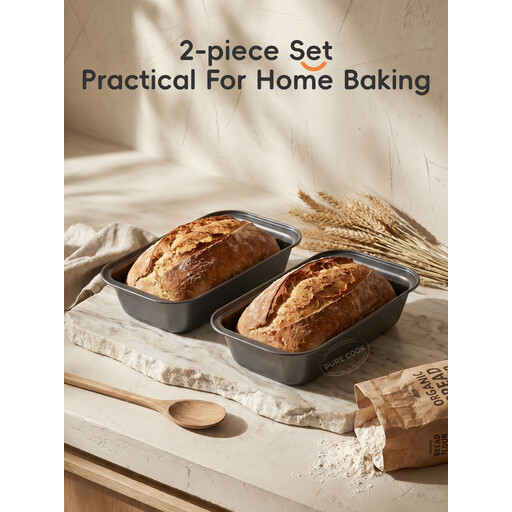
Why It Stands Out: This set is designed for the entire bread-making process. The thickened carbon steel construction is built for proofing dough and then moving straight to the oven, ensuring even heat for a perfect rise and bake. The smooth inner walls help produce a loaf with sharp, clean edges.
Pros:
Who is it for? This is an excellent choice for health-conscious individuals and fitness enthusiasts who enjoy making their own additive-free bread, from whole wheat to rye.
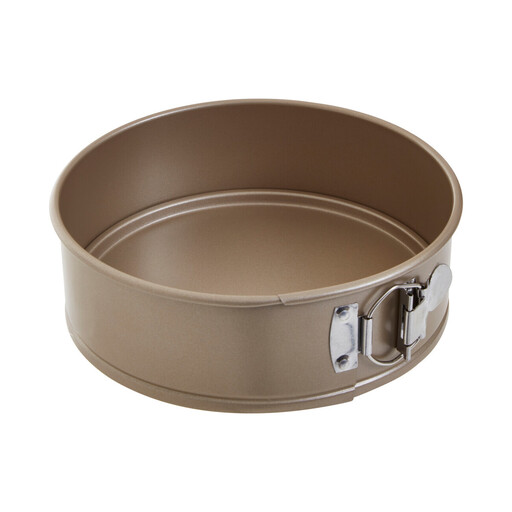
Why It Stands Out: This springform cake pan combines functionality with a touch of elegance. The side clip mechanism is the main feature, allowing for the damage-free removal of delicate bakes. Its stylish satin champagne gold finish also makes it a lovely piece to have in your kitchen.
Pros:
Who is it for? Bakers who specialise in delicate creations that require careful handling and a flawless presentation. It’s also for those who appreciate stylish, well-designed kitchenware.
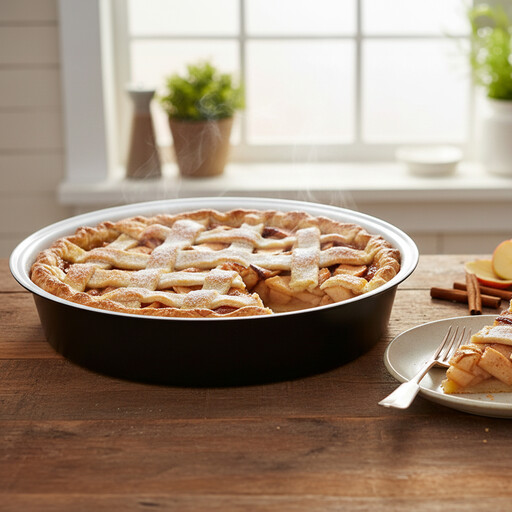
Why It Stands Out: This deep cake tin prioritises safety without compromising on performance. Its mineral-based non-stick surface is free from PTFE and PFOA, which means no harmful fumes are released, even if the pan is accidentally overheated. Its high heat resistance of up to 280°C makes it exceptionally versatile.
Pros:
Who is it for? The safety-conscious baker who wants a durable, all-purpose round cake tin that can handle high temperatures for everything from delicate sponges to hearty cakes.
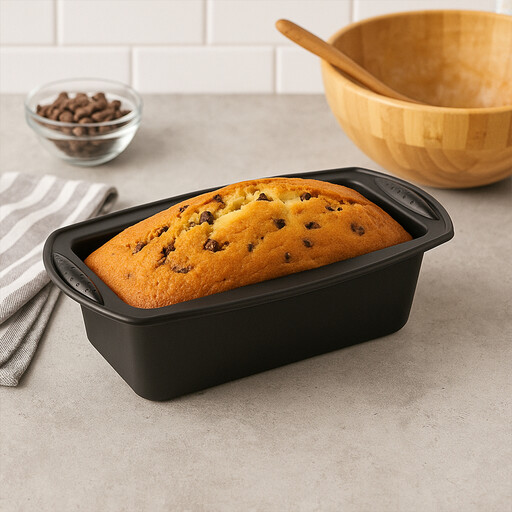
Why It Stands Out: This silicone loaf mould is the modern answer to convenient baking. Its incredible flexibility allows you to simply pop your finished loaf out without any fuss. Being freezer, microwave and dishwasher safe, it fits perfectly into a busy lifestyle.
Pros:
Who is it for? Busy home bakers who value convenience, easy cleaning and simple storage. It’s an ideal, low-maintenance bread baking tin for everyday use.
If you haven't found the exact item for your next baking project, or if you're looking for other specialised bakeware, there are many more choices available.
? Explore our full range of cake accessories to find the perfect fit for your kitchen.
A springform pan is primarily used for bakes that are too delicate to be inverted, such as cheesecakes, flourless chocolate cakes and layered mousse cakes. The removable sides unclip from the base, allowing you to serve the cake on its own base with its structure perfectly intact.
Both have their place. Carbon steel provides superior heat conduction for even browning and a sturdy structure, making it ideal for most traditional cakes and breads. Silicone offers unmatched convenience with its flexibility and easy-clean properties, making it great for simple loaves, muffins and for bakers who prioritise quick turnouts and storage.
Even with a non-stick cake tin, a little preparation goes a long way. For best results, lightly grease the tin with butter or oil and then dust it with a fine layer of flour, tapping out any excess. Alternatively, lining the base and sides with baking parchment creates a foolproof barrier between the cake and the tin. Always allow your cake to cool for 10-15 minutes in the tin before attempting to turn it out.