
24/7 Customer Support

Free returns

Same-day & Next-day Delivery

Quality Guaranteed

Unlock Your Welcome Offers: FREE Delivery | Up to 80% OFF | Free 30-day JoyPlus trial
Download the APP
Shopping for cakes, biscuits and baking supplies can seem straightforward until you compare pack sizes, ingredients, preparation requirements and storage instructions. A colourful box may offer less food than expected, while a “quick” baking mix can still require several extra ingredients and equipment.
This guide explains the main buying pitfalls and highlights suitable choices for everyday snacking, afternoon tea, seasonal gifting and home baking.
A large box does not always mean a generous portion. Check the net weight, number of pieces and, where available, the approximate serving size. Individually wrapped biscuits may be convenient for lunchboxes, but smaller portions can increase packaging and cost per 100g.
For example, a 10-piece pack of chocolate teacakes is easy to share, whereas a twin pack of chocolate biscuits may suit households that prefer to open one packet at a time.
Cakes and biscuits commonly contain wheat, milk, egg, soya, peanuts or other nuts. Always read the current packaging rather than relying only on product images or general descriptions. Recipes and manufacturing arrangements can change.
Seasonal mooncakes also require careful label checking. Some contain polyols such as maltitol, which may produce a laxative effect if consumed excessively. Products with egg yolk, sesame or coconut fillings can also have different allergen declarations.
A cake mix or bread mix usually supplies the dry ingredients, but you may still need milk, eggs, water, oil, a mixing bowl, a tin and an oven. Check the preparation instructions before ordering. Also distinguish between a ready-to-eat dessert and a product requiring baking, cooling or decoration.
Compare products using weight and number of portions, not just the front-of-pack appearance. A family pack may be useful for sharing, while individually wrapped mini biscuits can help with portion planning and transport.
For gifting, tins and boxed assortments may present well, but resealing remains important for maintaining texture. Crisp biscuits can soften after exposure to humidity, while soft bakes should be kept away from heat.
Look for allergens highlighted in the ingredient list, including cereals containing gluten, milk, eggs, soya, peanuts and tree nuts. “Suitable for vegetarians” does not mean allergen-free, and a product described as containing no artificial colours or flavours may still contain several additives or flavourings.
If you have a food allergy or intolerance, use the packaging declaration as the final reference and avoid relying on marketing language.
Ready-to-eat products are convenient for snacks, afternoon tea and gifting. Baking mixes offer more flexibility but require time and equipment. Follow the pack instructions, particularly for products containing raw flour or dough. For example, uncooked brookie baking mix should not be eaten before baking.
Once opened, many products should be kept in an airtight container or resealed and refrigerated where stated. Check the date printed on the pack and store food according to the manufacturer’s instructions.

Why This Fits Their Persona: A familiar option for households wanting ready-to-eat cakes for lunchboxes, film nights or sharing with a cup of tea.
The triple-pack format makes the total 330g quantity clear, helping shoppers compare it with smaller snack packs.
Contains three distinct layers: sponge, orange-flavoured jelly and dark chocolate. Suitable for sharing or afternoon tea.

Why This Fits Their Persona: A 375g tin suits afternoon tea, dessert platters and presentation in a gift hamper.
The listed ingredients identify wheat, butter, egg and milk, so shoppers can check suitability before opening the tin.
Ready to eat, with a traditional butter-cookie format and resealable tin storage.
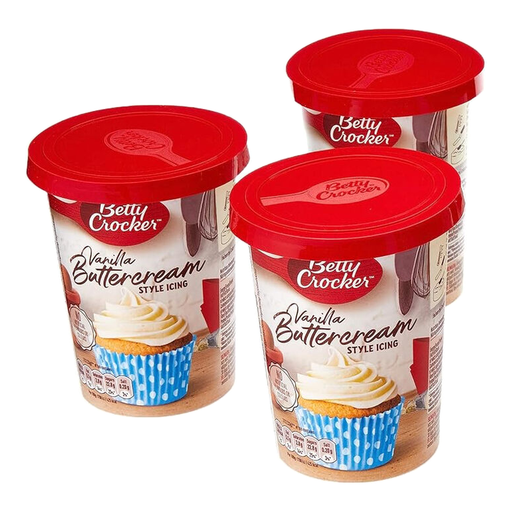
Why This Fits Their Persona: A six-tub pack is practical for frequent cake makers, cupcake batches and event preparation.
The stated coverage is one 8-inch cake or up to 27 cupcakes per tub, making quantity planning clearer.
Ready to spread or pipe; the icing can also be gently warmed for glazing. Gluten-free and suitable for vegetarians.
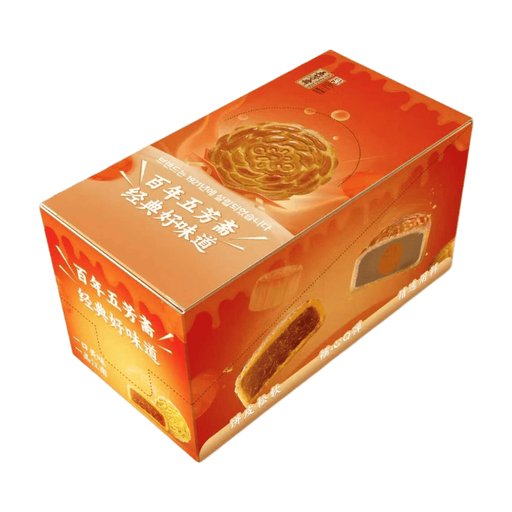
Why This Fits Their Persona: Six ready-to-eat mooncakes provide a convenient format for Mid-Autumn Festival sharing or gifting.
The pack clearly states the 360g total weight and six-piece quantity, while allergen and polyol warnings support informed purchasing.
Contains lotus seed paste and salted egg yolk filling. Ready to eat and suggested for serving with tea.
Choose ready-to-eat desserts such as chocolate biscuits, soft bakes, sponge fingers or butter cookies when you need immediate serving with little preparation. Sponge fingers are also useful for assembling tiramisu, while mini chocolate chip cookies can provide individually portioned afternoon tea snacks.
A cake mix, scone mix or bread mix is more suitable when you want a homemade result with controlled portion sizes. Morrisons Scone Mix requires milk and makes six portions, while Wrights White Bread Mix includes dried yeast and is suitable for home freezing once prepared according to its instructions. For a chocolate dessert with a combined brownie-and-cookie texture, Dr. Oetker Brookie Cookies Baking Mix requires baking and must not be eaten raw.
Depending on your occasion, you may also want to compare:
We have compiled a complete, real-time list of products that fully satisfy these strict selection criteria and UK safety regulations.
Check the net weight, piece count, ingredients, allergen declaration, storage conditions and packaging date. Also confirm whether the item is ready to eat or requires baking.
They can reduce preparation costs when you already have basic equipment and ingredients such as milk or eggs. However, compare the total cost, including additional ingredients, oven use and decoration supplies.
Follow the product label. Many biscuits should be kept in an airtight container in a cool, dry place. Some icing products require refrigeration after opening, while mooncakes may need to be consumed promptly once unsealed.