
24/7 Customer Support

Free returns

Same-day & Next-day Delivery

Quality Guaranteed

Unlock Your Welcome Offers: FREE Delivery | Up to 80% OFF | Free 30-day JoyPlus trial
Download the APP
Choosing cakes and desserts online can seem straightforward until you compare portion sizes, storage requirements, allergen information and the difference between an everyday snack and a special-occasion dessert. Attractive packaging may not tell you whether a product is individually wrapped, suitable for a lunch box or practical to keep in a UK household fridge.
This guide from the Joybuy Product Recommendation Officer focuses on the details that affect value and convenience, from Asian snacks and Japanese desserts to cheesecake, chocolate cake pies and familiar British sweet snacks.
A large net weight does not always mean a pack is convenient for a family. Some cakes are supplied as individual portions, while others need slicing or should be consumed shortly after opening. For packed lunches, office snacks or sharing, check the number of pieces and wrapping format, not just the total grams.
For example, a 204g pack containing six individually wrapped chocolate pies may be easier to use across several days than a larger unwrapped cake. Similarly, dessert gift boxes with several flavours can offer variety, but check whether every item is individually sealed.
Frozen cheesecake can be convenient, but it requires freezer space and planning. A frozen dessert may need more than 10 hours in the fridge before serving and must not be refrozen after thawing. This is very different from a shelf-stable dorayaki pancake or pineapple cake, which can usually be opened and eaten immediately.
Always check whether the product is:
Words such as “matcha”, “coconut latte” or “pineapple” describe the flavour profile, but the actual ingredient percentage can vary. Check the ingredient list and quantitative ingredient declaration where available. This is particularly useful when comparing matcha desserts, pineapple cakes and fruit-topped cheesecake.
UK shoppers should also read the allergen statement every time, as recipes and packaging can change. Common allergens across this category include wheat or gluten, milk, eggs, soya, sesame, coconut and tree nuts.
For lunch boxes, commuting or children’s snacks, individually wrapped cakes reduce mess and make portions easier to manage. Dorayaki pancakes, Korean Choco Pie-style snacks and chocolate cake pies often come in ready-to-eat formats.
For afternoon tea or family sharing, a twin pack or multi-piece selection may be more suitable. Cheesecake bites in six individual portions can work for parties, while a larger mixed packaging of walnut soft cakes or mooncakes may be more appropriate for gifting.
Look beyond front-of-pack wording. A product listing may identify useful details such as:
These figures help you compare products more objectively. They do not indicate a health benefit or guarantee personal preference, but they provide useful context about composition.
If someone in your household has an allergy or intolerance, read the full label rather than relying only on “may contain” notes. Products made in shared facilities may carry traces of other allergens even when those ingredients are not part of the recipe.
Cakes and desserts are occasional sweet snacks, so compare serving-level nutrition where available. A 24g serving may be more useful for planning than figures per 100g alone.
Some products contain sweeteners such as E965 or E420, which may have a laxative effect if consumed excessively. Preservatives, including E202, may also be listed. These ingredients are permitted food additives, but shoppers should consider the information when selecting products for children, lunch boxes or frequent household use.
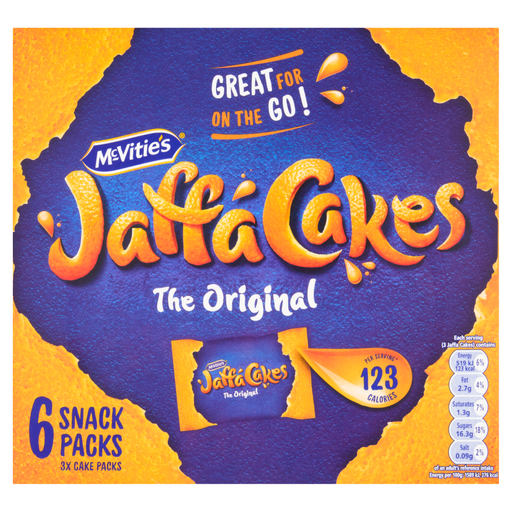
Why This Fits Their Persona: Six snack packs offer a familiar option for households needing easy portions for lunch boxes, tea breaks or sharing.
The multi-pack format makes the number of portions clear and avoids relying on a large outer pack alone.
Ready to eat; compact 3-cake snack packs; cool, dry storage before opening.
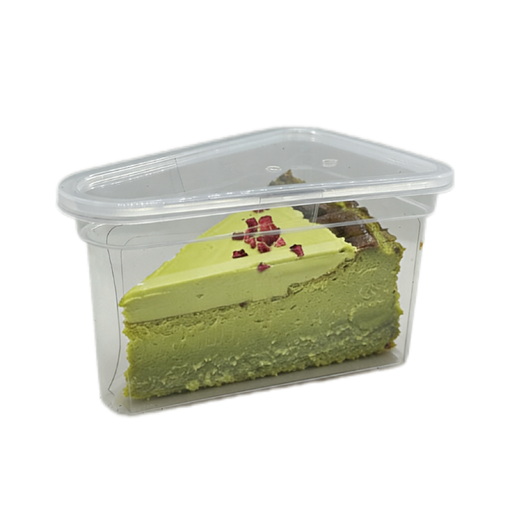
Why This Fits Their Persona: A single-portion Japanese-style dessert suits matcha fans seeking a plated treat without buying a full cheesecake.
The listed 125g portion and 2% matcha content provide clearer buying information than flavour imagery alone.
Contains 39.9% full-fat soft cheese; ready to eat after defrosting in the fridge.
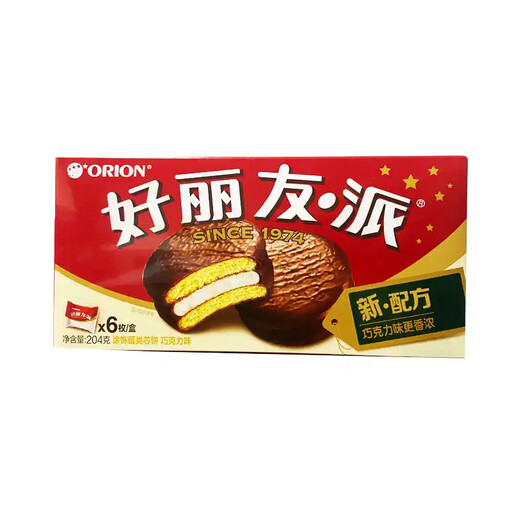
Why This Fits Their Persona: Families and fans of Korean confectionery can use the individually wrapped pieces for packed lunches, travel or shared snack storage.
The six individually wrapped cakes make portions and storage more practical than one large open pack.
Soft cake, marshmallow filling and chocolate-flavoured coating; can be enjoyed chilled or frozen.
For Japanese desserts, compare matcha dorayaki with original sweet adzuki bean varieties. For fruit-forward options, pineapple cakes and strawberry, lemon or blueberry cheesecake offer different serving formats and storage needs. British favourites include Jaffa Cakes and chocolate-covered tea cakes, while Chinese mooncakes and mixed walnut soft cakes can suit seasonal gifting.
Check the product page for current availability, pack details, storage instructions and delivery information before ordering.
We have compiled a complete, real-time list of products that fully satisfy these strict selection criteria and UK safety regulations.
Shelf-stable, individually wrapped cakes and snack packs are generally more convenient for lunch boxes than refrigerated or frozen desserts. Check the allergen information, pack size and storage instructions, particularly during warmer weather.
The listed frozen cheesecakes in this selection require more than 10 hours in the fridge before consumption. Keep them frozen at -18°C or below, do not refreeze after thawing and follow the packaging’s use-by guidance.
Check the country of origin, ingredient list, allergen declaration, portion format, best-before date and storage conditions. For products containing matcha, pineapple, red bean, sesame or nuts, the ingredient percentages can help you compare flavour-focused options more clearly.