
24/7 Customer Support

Free returns

Same-day & Next-day Delivery

Quality Guaranteed

Unlock Your Welcome Offers: FREE Delivery | Up to 80% OFF | Free 30-day JoyPlus trial
Download the APP
Choosing cakes and sweet snacks online can seem simple until you compare pack sizes, storage instructions, allergens and portion formats. A product that looks good in a photograph may arrive in an unsuitable quantity, require refrigeration or contain ingredients that do not match your household needs.
This guide focuses on practical details for UK shoppers, from everyday lunchbox treats and afternoon tea to Asian cakes, gifting selections and individually wrapped snacks.
A larger gram weight does not always mean better value for your household. A 300g cake pie pack may contain six portions, while a 310g pack of Japanese dorayaki may also contain six pieces. Compare the number of portions, individual wrapping and intended use, not only the total weight.
For sharing, individually wrapped snacks can reduce waste and make portioning easier. For a small household, a multi-piece pack may be less suitable if the product needs to be eaten soon after opening.
Many shelf-stable cakes and biscuits can be stored in a cool, dry place, but not every sweet snack belongs in the cupboard. Fresh cheesecake bites require refrigeration at 0°C to 5°C, while frozen products such as steamed osmanthus cake need to remain at -18°C or below until their best-before date.
Always check whether the listing specifies “use by” or “best before”, and follow the packaging instructions after opening. Texture can also change: dorayaki may dry out, while mochi pastries can become firmer when chilled.
Words such as “nutty”, “fruity” or “matcha” describe taste, not suitability for every diet. An Asian pastry may contain wheat, egg, milk, soya or sesame, while a product with a walnut flavour may also contain peanuts or other tree nuts.
Read the bold allergen declaration and may-contain statement on the product page and packaging. This is particularly important for school lunchboxes, workplace sharing and gifts where you may not know everyone’s dietary requirements.
For individual snacking, look for the number of pieces and whether each item is wrapped separately. Marukyo matcha dorayaki, for example, contains six individually wrapped pancakes in a 310g pack. This can suit packed lunches or taking a sweet treat to work.
For family sharing or afternoon tea, larger multi-piece boxes may be more practical. Consider whether each piece is bite-sized, individually wrapped or designed to be cut and served.
UK food labels should identify regulated allergens clearly. Check for:
Nutrition panels also help you compare products objectively. For instance, Morrisons Sponge Fingers list approximately 24 kcal per sponge finger, while Tunnocks Milk Choc Teacakes list 106 kcal per 24g piece. Serving sizes differ, so compare like for like rather than relying only on the per-100g figures.
Shelf-stable products such as sponge cakes, biscuits and many traditional Asian sweets are generally ready to eat, but should be kept away from heat and direct sunlight. Some products need preparation: Freshasia Creative Osmanthus Cake is supplied frozen and is intended to be steamed or microwaved before serving.
For gift boxes, check the best-before date and whether the product has a short recommended consumption period after opening. A product with attractive packaging is not automatically suitable for long-distance gifting if it requires refrigeration.

Why This Fits Their Persona: A familiar UK cupboard snack for afternoon tea, lunchboxes or sharing, with three packs included in one purchase.
The three-pack format makes the quantity clear, while the product page lists milk, wheat, egg and soya allergens rather than leaving suitability unclear.
330g total weight; orange jelly, sponge and dark chocolate layers; store in a cool, dry place.
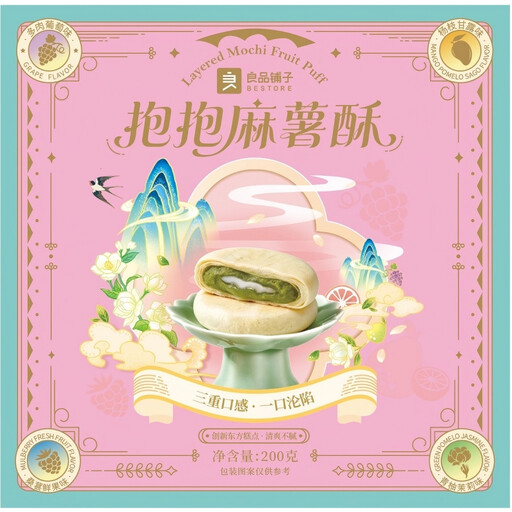
Why This Fits Their Persona: A gift-boxed selection for shoppers exploring traditional Asian sweets or preparing a thoughtful tea-time present.
The four-piece assortment states its flavours and 50g individual portions, helping you assess variety and serving size before ordering.
Four fruit-led flavours; wheat, soya and milk allergens clearly listed; ready to eat.
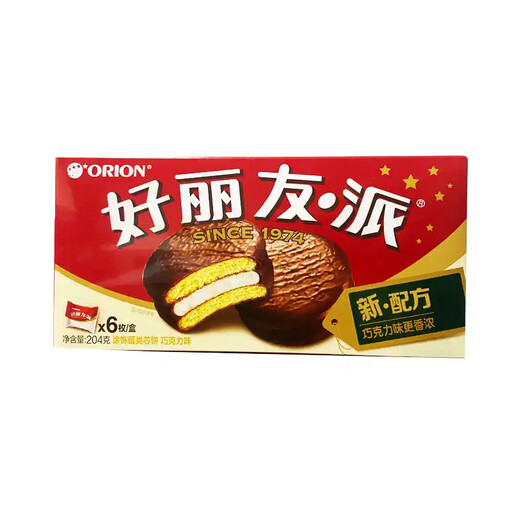
Why This Fits Their Persona: Useful for lunchboxes, office drawers, travel or sharing when individually wrapped convenience matters.
Six individually wrapped pieces make storage and portion planning more straightforward than one large unwrapped cake.
Six pieces in a 204g pack; soft cake, marshmallow filling and chocolate-flavoured coating; no preparation required.
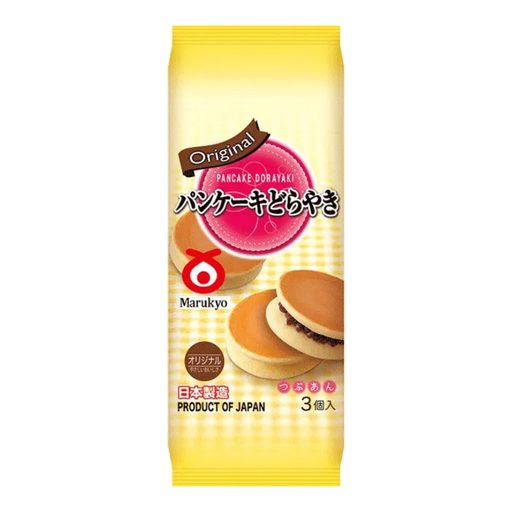
Why This Fits Their Persona: A compact way to try Japanese dorayaki, pairing soft pancakes with sweet adzuki bean filling for tea breaks or dessert.
The 150g, three-piece format avoids committing to a large box before you know whether adzuki bean flavour suits your household.
Three pieces; 31% adzuki bean paste stated in the ingredients; refrigerate remaining pieces after opening.
We have compiled a complete, real-time list of products that fully satisfy these strict selection criteria and UK safety regulations.
Individually wrapped products are usually easier to portion and pack, but check the allergen information and storage guidance first. Products containing chocolate may soften in warm conditions, while chilled cheesecake needs a reliable cold chain and should not be left unrefrigerated for extended periods.
The answer depends on the product. Shelf-stable cakes and biscuits should generally be resealed and stored in a cool, dry place. Fresh products may need to be consumed within two days, while some dorayaki should be refrigerated after opening. Always follow the date and instructions printed on the packaging.
Compare price per portion, pack quantity, allergens, storage requirements, country of origin and preparation instructions. For gifting, also consider presentation and flavour variety. For everyday snacking, individually wrapped snacks and smaller portions may reduce waste and make the product easier to use.