
24/7 Customer Support

Free returns

Same-day & Next-day Delivery

Quality Guaranteed

Unlock Your Welcome Offers: FREE Delivery | Up to 80% OFF | Free 30-day JoyPlus trial
Download the APP
Sensitive, reactive and redness-prone skin can make moisturiser shopping unnecessarily difficult. A cream may feel soothing at first but leave an oily film, trigger stinging under make-up or fail to provide enough hydration for the colder months. The right calming cream for sensitive skin should fit your skin type, routine and tolerance—not simply rely on attractive packaging or a long ingredient list.
This guide explains what to check before buying, the common marketing traps to avoid and which Korean calming cream options may suit different skincare needs.
Botanical ingredients such as mugwort, centella asiatica, carrot and propolis can be appealing in a soothing face cream. However, natural ingredients may still be unsuitable for some individuals, particularly when a formula contains essential oils, fragrance or multiple plant extracts.
Always read the full ingredient list rather than relying on terms such as “clean”, “natural” or “mild”. If your skin reacts easily, introduce one new product at a time and perform a patch test before applying it across your face.
A thick cream may feel comforting on dry skin, but it can be uncomfortable for oily or acne-prone complexions. Conversely, a very light gel cream may not provide sufficient protection during cold, windy UK weather or in centrally heated rooms.
Look for descriptions such as gel cream, lightweight facial moisturiser or rich barrier cream, then match the texture to your skin. A lightweight formula can work well under make-up, while a denser cream may be more suitable for dry areas or evening use.
Redness can have many causes, including environmental exposure, over-exfoliation and sensitivity to particular ingredients. No moisturiser can be assumed to work for every person. Phrases such as “instant relief” or “repairs damaged skin overnight” should be treated cautiously.
A more practical approach is to assess the formula’s documented features: humectants for hydration, ingredients associated with barrier support and a finish you are likely to use consistently.
Useful ingredients in a moisturiser for sensitive skin may include glycerin, panthenol, beta-glucan, allantoin, hyaluronic acid, ceramides and centella asiatica. These ingredients are commonly used to hydrate, soften or support the skin barrier.
If you are sensitive to fragrance, check whether the formula includes parfum or aromatic oils such as lavender, sage, rosemary, orange or peppermint. Propolis, honey and fermented ingredients may also be unsuitable for people with specific allergies. Ingredient lists can change, so check the packaging before use.
For oily or combination skin, a gel cream for oily skin, non-comedogenic moisturiser or water-based formula may feel more comfortable. For dry or compromised-feeling skin, look for emollients, oils, shea butter or ceramides that help reduce moisture loss.
“Non-comedogenic” is a useful product descriptor, but it is not a guarantee that a cream will suit every acne-prone individual. Apply a small amount initially and monitor how your skin responds.
A 50–80ml face cream is generally convenient for daily use, but value depends on how much you need per application and whether you use it morning and evening. Pump or tube packaging can reduce repeated finger contact, while jars may require more careful hygiene.
Apply your calming cream after cleansing and any watery serums, then use sunscreen during the daytime. Avoid layering several potentially irritating actives at once, especially when your skin is already reactive.
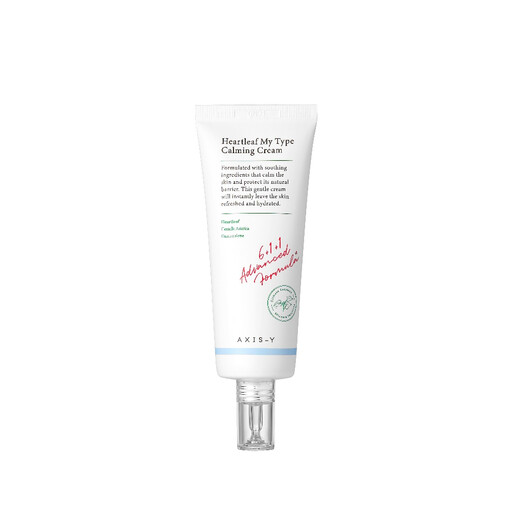
Why This Fits Their Persona: Its lightweight gel-cream texture is practical for teenagers, first-time skincare buyers and anyone wanting one daily moisturiser that sits comfortably under make-up.
The water-based feel avoids the heavy finish often associated with barrier care, while the listed ingredients include glycerin, sodium hyaluronate, allantoin and centella asiatica extract.
60ml size; vegan-certified and cruelty-free according to the supplied product information; designed for a quick-absorbing finish.
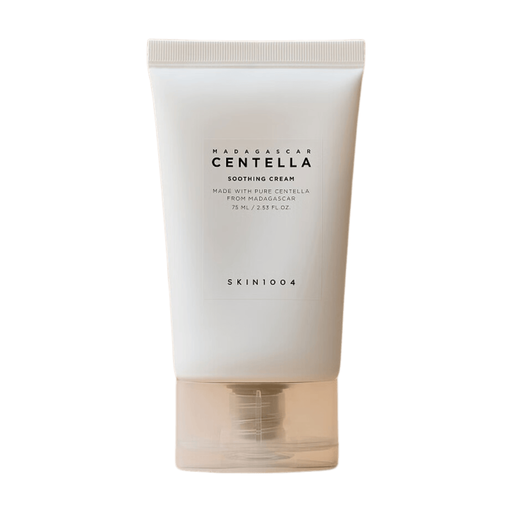
Why This Fits Their Persona: This suits shoppers seeking a more structured barrier repair cream for daily use through seasonal changes, indoor heating and dry-feeling skin.
Rather than relying on a soothing ingredient alone, its listed formula includes centella asiatica extract alongside ceramides, cholesterol, fatty acids and sodium hyaluronate.
75ml format; soft gel-cream texture; includes four listed ceramides plus cholesterol and phytosphingosine.
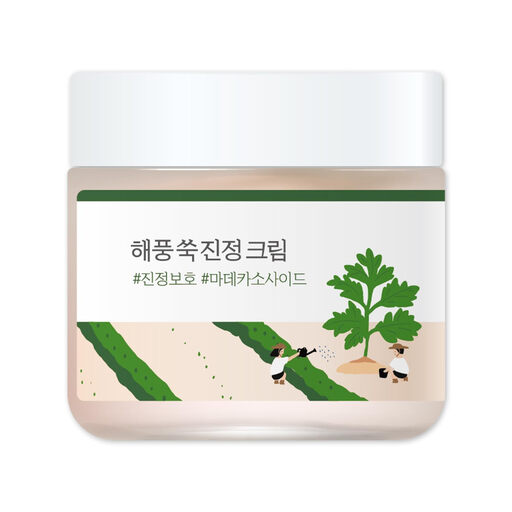
Why This Fits Their Persona: The larger 80ml size is convenient for frequent morning and evening use, including combination skin that needs hydration without a sticky finish.
Its ingredient list makes the formula easier to assess, featuring mugwort extract with panthenol, allantoin, madecassoside, asiaticoside and centella asiatica leaf extract.
80ml capacity; lightweight gel-cream texture; includes panthenol and allantoin for moisturising and comforting care.
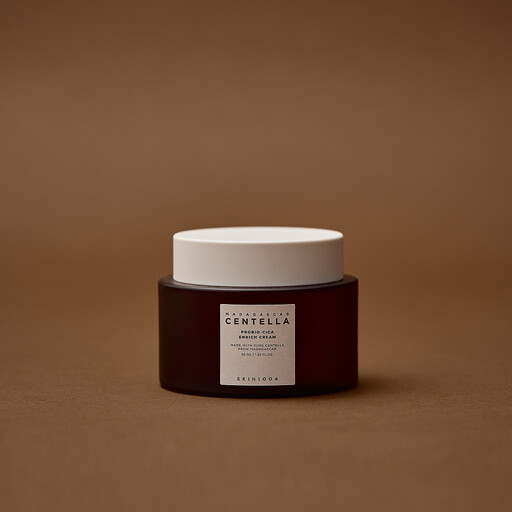
Why This Fits Their Persona: A suitable option for shoppers who prefer a richer cream for dry patches, evening routines or colder UK weather.
The richer format is clearly positioned for intensive moisture, helping buyers avoid expecting a gel texture to meet heavier hydration needs.
50ml size; includes centella-derived ingredients, lactobacillus ferment, squalane, macadamia oil, moringa oil and ceramide NP.
We have compiled a complete, real-time list of products that fully satisfy these strict selection criteria and UK safety regulations.
Some lightweight formulas may be more comfortable for acne-prone or oily skin, particularly gel creams with humectants and a non-greasy finish. However, “non-comedogenic” does not guarantee universal compatibility. Check the full ingredient list and introduce the product gradually.
Yes. A fast-absorbing gel cream or lightweight facial moisturiser can work well beneath foundation. Apply a thin layer, allow it to settle and avoid using excessive amounts, which may contribute to pilling.
Follow the period-after-opening symbol and storage instructions printed on the packaging. Keep the product away from direct sunlight, heat and humidity, and do not use it if the smell, colour or texture changes noticeably.