
24/7 Customer Support

Free returns

Same-day & Next-day Delivery

Quality Guaranteed

Unlock Your Welcome Offers: FREE Delivery | Up to 80% OFF | Free 30-day JoyPlus trial
Download the APP
Sensitive, redness-prone skin can make moisturiser shopping unnecessarily difficult. A formula may feel soothing at first but become greasy under sunscreen, sting after a few uses or leave combination skin feeling congested. The right calming face cream for sensitive skin should provide comfortable hydration while fitting your skin type, routine and tolerance for ingredients.
As the Joybuy Product Recommendation Officer, I focus on practical details rather than broad marketing promises. Here are the main traps to avoid, followed by a shortlist matched to different shopping needs.
A fresh, cooling texture can feel pleasant, but sensation alone does not indicate that a product suits sensitive skin. Fragrance, essential oils or certain botanical extracts may be unsuitable for people who react easily. Always check the full INCI list rather than relying on terms such as “natural”, “clean” or “calming”.
For example, some formulas contain sage, tea tree, lavender, peppermint or citrus-derived ingredients. These are not automatically unsuitable, but they deserve extra consideration if your skin is reactive.
A thick barrier repair cream may be useful during cold weather or for dry skin, yet feel uncomfortable on oily or acne-prone skin. Conversely, a very light soothing moisturiser may not provide enough protection in centrally heated homes or windy UK weather.
Look for a texture that matches your routine. A lightweight gel cream can work well under SPF and make-up, while a richer cream may be more practical at night or during colder months.
Testing descriptions can provide useful context, but they do not guarantee that every individual will tolerate a product. Sensitivity can depend on allergies, existing irritation and how many active products are used at the same time.
Patch testing remains sensible. Apply a small amount to an inconspicuous area and follow the product’s instructions. Stop using it if persistent stinging, itching, swelling, rash or worsening redness occurs. Avoid applying new skincare to broken or severely inflamed skin.
Common ingredients in Korean calming skincare include centella asiatica, mugwort, heartleaf, panthenol, allantoin, beta-glucan and hyaluronic acid. They can support a comfortable, hydrated skin feel, but ingredient presence does not guarantee a particular result.
Read the ingredient list carefully, especially if you already know which substances trigger your skin.
For oily, combination or acne-prone skin, choose a water-based or gel-cream texture that spreads easily and leaves limited residue. If a product is described as non-comedogenic, treat this as a formulation feature rather than a guarantee that it cannot cause individual breakouts.
For dry or easily tight skin, a cream containing emollients, silicones or barrier-supporting lipids may feel more comfortable. You can also apply a smaller amount in the morning and a slightly more generous layer at night.
A daily moisturiser should sit comfortably beneath sunscreen and make-up without excessive pilling. Check the recommended application step: most of the products below are intended as the final skincare step, before daytime SPF.
Always review the packaging for the current ingredient list, batch details, shelf-life information and storage instructions. Keep the product away from direct sunlight and excessive heat, and avoid the eye area unless the product specifically states otherwise.
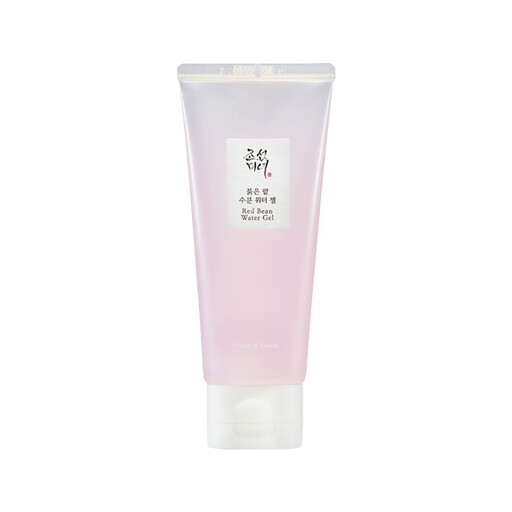
Why This Fits Their Persona: A practical starting point for shoppers who want a refreshing daily moisturiser for oily, combination or sensitive skin, particularly under sunscreen and make-up.
Its water-gel format is designed to avoid the heavy feel that can make richer creams uncomfortable on oilier skin.
100ml size; contains red bean extract, panthenol, allantoin, beta-glucan and amino acids.
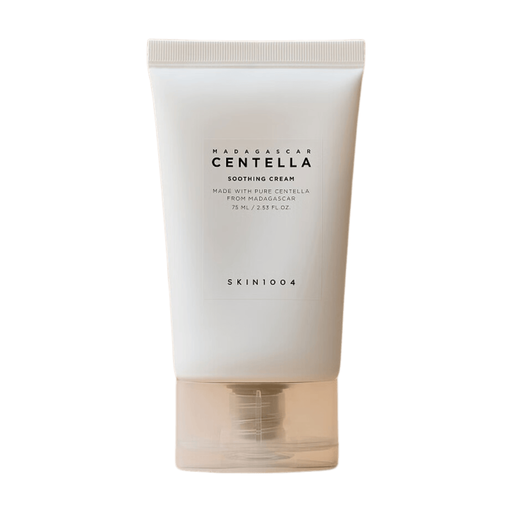
Why This Fits Their Persona: A considered option for shoppers prioritising centella asiatica, hydration and barrier-supporting ingredients in one everyday face cream.
The ingredient list identifies centella asiatica alongside ceramides, cholesterol and phytosphingosine, rather than relying only on a calming product name.
75ml format; soft cream texture with centella asiatica and four listed ceramide ingredients.
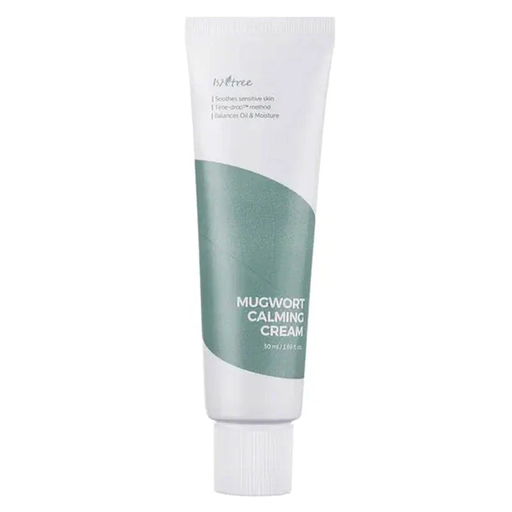
Why This Fits Their Persona: Suits shoppers who want a mugwort calming cream for regular use through changing UK seasons, including dry indoor heating.
The formula is listed as free from alcohol, artificial fragrance and dyes, helping shoppers screen out several common concerns.
Contains Artemisia extracts, panthenol, beta-glucan and allantoin; suitable for use as a final moisturising step.
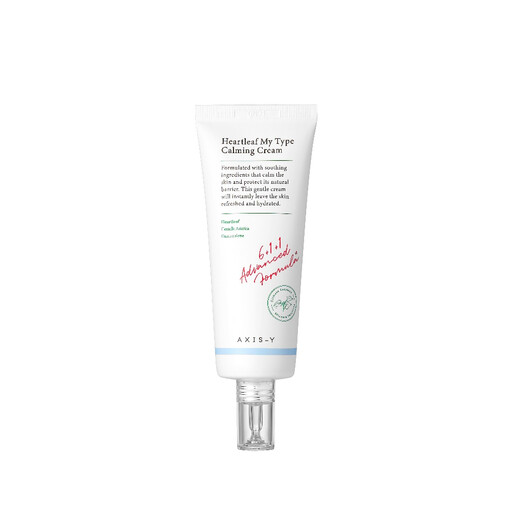
Why This Fits Their Persona: A lightweight option for oily, combination or acne-prone users who prefer a fast-absorbing moisturiser that can be layered under make-up.
Its gel-cream format and stated non-comedogenic positioning address the concern of a greasy, pore-clogging finish.
Contains heartleaf and centella asiatica extracts; vegan-certified and cruelty-free according to the supplied product information.
We have compiled a complete, real-time list of products that fully satisfy these strict selection criteria and UK safety regulations.
Apply a modest amount to clean skin after lighter products such as toner or serum. In the morning, follow with a broad-spectrum sunscreen suitable for your skin type. At night, use the cream as the final step, adjusting the quantity if your cheeks feel tight or your T-zone becomes shiny.
Avoid introducing several new products at once. If irritation occurs, stop the newest product first and simplify your routine until your skin feels comfortable. Persistent or painful redness should be discussed with a qualified healthcare professional rather than managed solely with a cosmetic redness relief cream.
It can be, particularly when you choose a lightweight, non-greasy texture and avoid ingredients you already know cause problems. However, a moisturiser is not an acne treatment. Check the complete ingredient list, patch test first and stop if breakouts or irritation become worse.
Neither ingredient is automatically more suitable for everyone. Mugwort formulas may appeal to shoppers seeking an Artemisia-based product, while centella asiatica cream is commonly chosen for barrier-focused routines. Compare the wider formula, texture, fragrance and your known sensitivities.
The usable period depends on the packaging, preservative system and storage conditions. Check the open-jar symbol, expiry information and batch details on the product packaging. Close the container after every use, keep it away from heat and sunlight, and discard it if the smell, colour or texture changes unexpectedly.