
24/7 Customer Support

Free returns

Same-day & Next-day Delivery

Quality Guaranteed

Unlock Your Welcome Offers: FREE Delivery | Up to 80% OFF | Free 30-day JoyPlus trial
Download the APP
By Joybuy Product Recommendation Officer
A calming face cream can be useful when your skin feels tight, dry, flushed or uncomfortable. However, choosing one based only on words such as “soothing”, “repair” or “natural” can lead to wasted money. The formula, texture and fragrance profile matter more than the front-of-pack promise.
This guide explains the practical details to check before buying a calming face cream, whether you need a lightweight gel for oily skin, a richer skin barrier repair cream for dryness or a fragrance-free face moisturiser for post-shave use.
Botanical ingredients such as mugwort, centella, carrot and propolis are common in Korean calming cream formulas. They may appeal to shoppers looking for plant-based skincare, but natural origin does not automatically mean low sensitivity risk. Essential oils and fragrant plant oils can still be unsuitable for some users.
Always read the full ingredient list. If your skin reacts easily, prioritise a shorter formula and patch test before applying a new cream across your face.
A rich cream may feel comforting on very dry skin but greasy on an oily or acne-prone complexion. Conversely, a lightweight gel cream may absorb quickly yet feel insufficient during cold, dry British weather.
Look for practical texture descriptions:
A soothing face cream can moisturise and make skin feel more comfortable, but it is not a treatment for a diagnosed skin condition. Persistent redness, swelling, pain, itching or irritation should be assessed by a qualified healthcare professional.
Also be cautious with phrases such as “clinically proven” or “repairs damaged skin”. Check whether the claim is supported by specific information, and focus on verifiable features such as ingredients, fragrance status, texture and usage guidance.
For a moisturiser for irritated skin, useful ingredients may include:
Ingredient position matters: ingredients listed near the beginning usually make up a larger proportion of the formula, although the list alone cannot predict how your skin will respond.
If you are specifically searching for a fragrance-free face moisturiser, confirm that “fragrance” or parfum is absent and check for essential oils separately. For example, some richer honey-based and botanical formulas contain oils such as lavender, bergamot, citrus, rosemary or sage. These are not automatically unsuitable, but they are important considerations for fragrance-sensitive users.
A daily face cream should fit your routine. Look for directions that allow morning and evening use, and consider whether it sits comfortably under sunscreen or make-up. Apply a moderate amount to clean skin, usually as the final skincare step, and avoid the eye area unless the packaging states otherwise.
For teenagers or adults with combination or acne-prone skin, a non-heavy lightweight gel cream may be easier to use consistently. For dry skin or centrally heated homes, a richer skin barrier repair cream may be more comfortable at night.
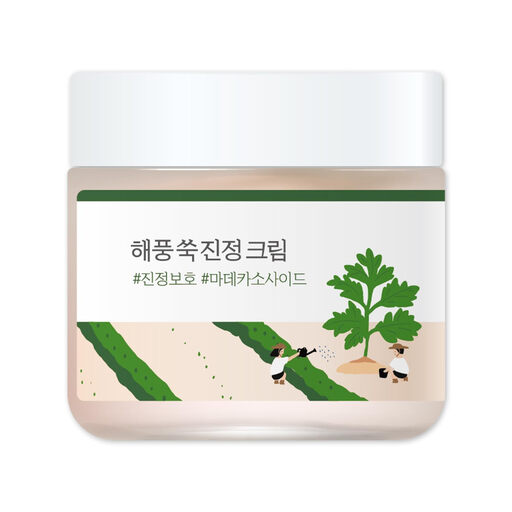
Why This Fits Their Persona: The 80ml size and quick-absorbing gel cream texture make it a practical starting point for shoppers wanting a Korean calming cream for everyday use.
The ingredient list identifies mugwort extract, panthenol and allantoin rather than relying only on broad “calming” wording. It also advises patch testing.
Light gel cream; includes glycerin, panthenol, allantoin and centella-related ingredients.
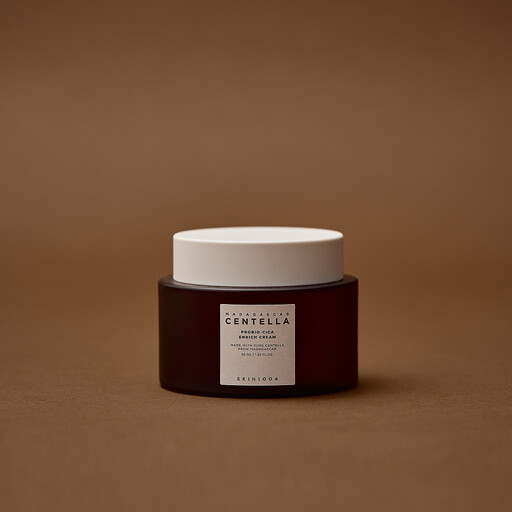
Why This Fits Their Persona: It suits shoppers comparing a richer Korean barrier cream with centella, ceramide NP, squalane and plant oils for a more nourishing routine.
The formula makes its richer profile clear through shea butter, macadamia and moringa oils, helping buyers avoid mistaking a nourishing cream for a weightless gel.
Contains ceramide NP and squalane; designed as the final step of a daily routine.
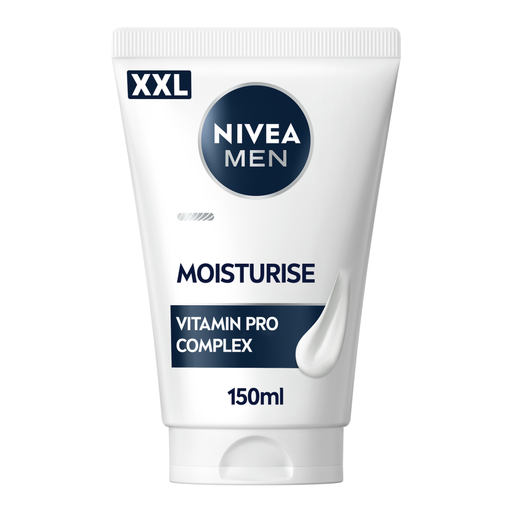
Why This Fits Their Persona: The larger 100ml format and light, non-sticky finish are convenient for daily use, including a post-shave moisturising step.
It is clearly labelled fragrance-free, making it easier for fragrance-sensitive shoppers to screen their options before purchase.
Fragrance-free formula; 100ml size with panthenol and chamomile extract.
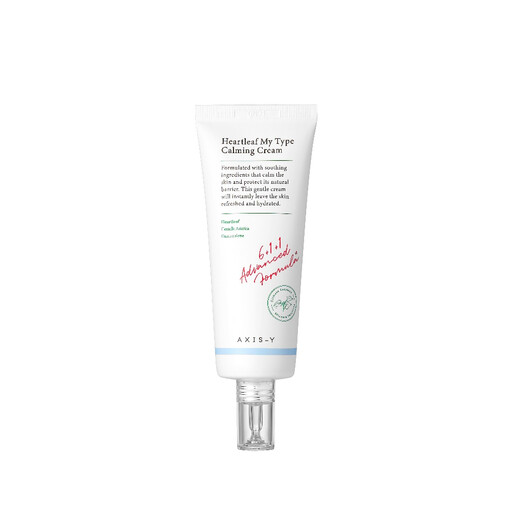
Why This Fits Their Persona: Its water-based gel-cream format is suited to shoppers who want hydration without a heavy finish, particularly under make-up or sunscreen.
The stated lightweight texture and listed heartleaf, centella, glycerin and sodium hyaluronate provide clearer selection points than an unspecified “oil-control” promise.
Light gel-cream texture; vegan-certified and cruelty-free according to the supplied product information.
We have compiled a complete, real-time list of products that fully satisfy these strict selection criteria and UK safety regulations.
Do not introduce several new products at once. Using one new moisturiser at a time makes it easier to identify a possible trigger.
It can be, depending on the texture and formula. Oily or acne-prone shoppers may prefer a lightweight gel cream with humectants such as glycerin or hyaluronic acid. However, “non-comedogenic” wording should not be treated as a guarantee for every individual. Patch testing and using a small amount are sensible steps.
A simple, fragrance-free formula may be suitable for post-shave moisturising if the skin is intact and comfortable with the ingredients. Apply gently without rubbing. Avoid using a new product immediately after shaving if your skin is already stinging, cut or inflamed.
The usable period varies by product and packaging. Check the period-after-opening symbol, batch information and storage instructions on the container. Keep the cream away from direct sunlight and high temperatures, and do not use it if its smell, colour or texture has changed.