What matters when choosing?
For leisure filming, check where you can fly before comparing aircraft configurations, camera controls and accessories. A drone and a ground camera solve different filming needs: only the drone supplies an aerial viewpoint, while the ground camera remains an option when a planned flight is unsuitable.
| Concern |
What to check |
Who this matters to |
| Flight access |
Check current airspace restrictions and the rules for each intended launch site; an app map alone is not permission to fly. |
If my usual filming spots include parks or busy viewpoints, I need to know whether a flight is possible there before buying. Around 36% of consumers would put location access first. |
| Aircraft configuration |
Confirm the take-off weight with the supplied battery and accessories, its class mark and the applicable CAA ID requirements. |
I want an aircraft that is easy to carry without assuming every compact bundle follows the same operating route. Roughly 29% of consumers would make an eligible, portable drone their primary concern. |
| Framing and capture |
Compare the exact model's camera modes and controller options, then consider whether you can use them at your planned sites. |
If I need to compose aerial shots deliberately, short automated clips may not give me the control I want. About 21% of consumers would prioritise framing and capture options. |
| Session planning |
Check battery and charging compatibility, bundle contents and the conditions behind any stated flight-time figure. |
For several filming sessions in one outing, I need a workable charging plan and enough battery reserve to return safely. Around 14% of consumers would put session endurance first. |
Ground-camera options on Joybuy
These action cameras suit ground-level leisure filming when your intended locations or conditions make drone flight impractical. Neither provides the aerial perspective of a camera drone.
 No image available
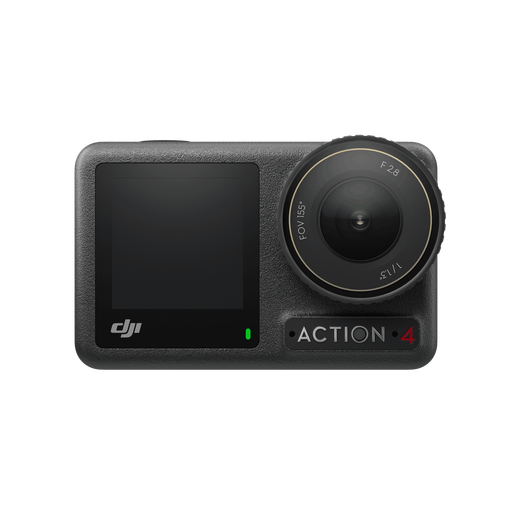
DJI Osmo Action 4 Adventure Combo
Consider this for ground-level outdoor footage when aerial flight is unsuitable; it will not capture aerial views.
The product title lists 4K/120fps recording, a 1/1.3-inch sensor and a 155° field of view. Check the exact bundle contents and intended conditions before relying on its battery or waterproofing claims.
View on Joybuy
 No image available
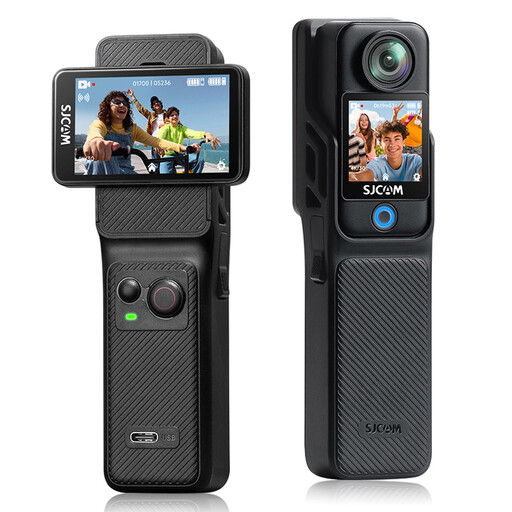
SJCAM C400 4K Action Camera
Consider this for ground-level activity footage where a drone cannot be used; it does not provide aerial shots.
The product title lists a 154° wide-angle view, 6-axis electronic image stabilisation and waterproof use to 30m with a case. Confirm that the waterproof case is included and suitable for your intended use.
View on Joybuy
Questions about leisure filming
Do I need a Flyer ID and Operator ID for a leisure camera drone?
For an outdoor camera drone weighing 100g or above, the CAA requires a Flyer ID for the pilot and an Operator ID for the responsible operator, whose ID must be labelled on the aircraft. A camera drone below 100g does not require those IDs, but its flight must still follow applicable operating rules.
Can I take a drone under 250g anywhere on holiday?
No. An eligible aircraft under 250g may fit an A1 route, but the CAA prohibits flying over crowds, above 120m, in restricted airspace or beyond direct visual sight. Check current airspace restrictions and the rules for your intended launch site before each flight.
What changes if I choose a UK2 or C2 drone for filming near people?
A UK2 or C2 drone used in the A2 route requires the applicable pilot competence and separation from uninvolved people. CAA guidance gives a normal minimum of 30m; reducing it to 5m requires active low-speed mode and a situation-specific safety evaluation. It is not a route for flying over crowds.
How should I handle privacy when filming from a drone?
Avoid recording into homes, gardens or other places where people expect privacy. The CAA warns that using a camera or listening device in those circumstances is likely to breach data-protection law; plan your framing and flight accordingly.
Are extra drone batteries useful for leisure filming?
They can help if you plan several short filming sessions, provided they are compatible with the exact aircraft and charging equipment. Keep enough battery for a safe return and changing conditions: the CAA advises allowing for emergencies and difficult weather rather than planning around a manufacturer's maximum flight-time figure.


