What matters when choosing?
For handmade-soap listings, decide whether small details or complete products are the harder shot, then consider video features if clips are part of your workflow. The priorities below concern consumers choosing a camera for this specific shop task.
| Concern |
What to check |
Who this matters to |
| Soap texture and small details |
Check the exact lens’s maximum magnification and focusing distance. Allow space for lighting at its closest working position. |
If I need a stamp or textured top to fill a listing image, close focusing is my main concern, even if it takes more care to position the light and focus. Around 42% of consumers put detail shots first. |
| Consistent full-product images |
Check whether the supplied zoom frames your bars and sets as needed, and whether the screen is practical for your tabletop angles. |
When I photograph a range of bars and gift sets, I want to repeat the framing without rebuilding the setup for every item. Around 33% of consumers make catalogue consistency their primary need. |
| Stills and short videos |
Confirm the recording mode, screen position and microphone connection you need; check the chosen lens separately for still-image close-ups. |
If I also film wrapping or product demonstrations, I need one camera to handle those clips as well as my listing photographs. Around 25% of consumers prioritise that combined workflow. |
Magnification belongs to the lens, not its megapixel count. Sony specifies 1.0x magnification for its E 30mm F3.5 Macro, while Canon specifies up to 0.5x for its RF 35mm F1.8 Macro. Those figures describe different close-up framing capabilities; neither tells you how an included kit zoom will perform. Sony also specifies a 2.4 cm minimum working distance for its macro lens, making space for light a particular consideration with that option.
Brands to consider for this setup
These camera systems offer different lens and handling options for soap photography. Compare an exact body-and-lens combination rather than assuming every lens from a brand has the same close-up capability.
Sony
Sony’s APS-C E-mount ZV-E10 II is an interchangeable-lens option for stills and video. Sony also specifies a separate E 30mm F3.5 Macro lens with 1.0x magnification.
- Sony specifies a 26.0 MP APS-C sensor for the ZV-E10 II and a 1:1 close-up option in the SEL30M35 lens.
- Sony specifies a 2.4 cm minimum working distance for that macro lens. Check whether you can position your lighting without the lens shading the soap; do not assume a ZV-E10 II kit zoom has the same magnification.
Canon
Canon’s EOS R50 is an APS-C RF-mount body with a vari-angle touchscreen. Canon specifies up to 0.5x magnification for the separate RF 35mm F1.8 Macro lens.
- Canon specifies a 24.2 MP APS-C sensor for the EOS R50; its movable screen can be considered for overhead and low tabletop compositions.
- The cited RF 35mm lens reaches 1:2 rather than 1:1 magnification. Check the frame size you need for particularly small decorations.
Nikon
Nikon’s Z50II is an interchangeable-lens Z-mount body with a vari-angle touchscreen for positioning around tabletop products and recording shop content.
- The Z50II’s movable screen and interchangeable mount give you options for arranging whole-product photographs and video.
- For fine texture shots, choose a specific compatible lens and check its published magnification and focusing distance. Nikon advises assessing magnification on the exact lens.
Joybuy camera kits for soap shop photography
These Sony camera kits include zoom lenses to assess for whole bars, sets and styled arrangements. If close crops are central to your listings, check the supplied lens’s focusing distance and magnification before deciding whether you need a compatible macro lens.
 No image available
Sony A6400 APS-C with 16–50 mm Power Zoom lens
Consider this kit for full bars and styled compositions where you want the framing flexibility of the included zoom. Check that lens’s close-focus specifications before relying on it for small texture crops.
View on Joybuy
 No image available
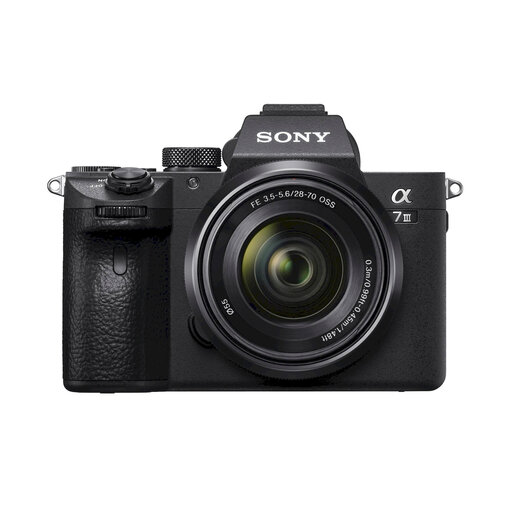
Sony Alpha 7 III full-frame with 28–70 mm zoom lens
The included 28–70 mm zoom gives you a lens to assess for complete products and wider styled scenes. If fine soap details are a priority, check its maximum magnification and minimum focusing distance separately.
View on Joybuy
 No image available
Sony A6700 APS-C with 16–50 mm lens
This kit combines an APS-C body and a 16–50 mm lens for assessing varied whole-product framing. Confirm the supplied lens’s close-focus capability if stamps or textured tops must occupy much of the image.
View on Joybuy
 No image available
Sony Alpha ZV-E10 II K APS-C with 16–50 mm Power Zoom
Consider the included zoom for whole-bar photographs if you also plan to record shop video; this kit is listed with 4K60p recording and a 16–50 mm f/3.5–5.6 lens. Sony’s separate 1:1 macro lens does not establish the magnification of this supplied zoom, so check the kit lens before planning detail crops.
View on Joybuy
 No image available
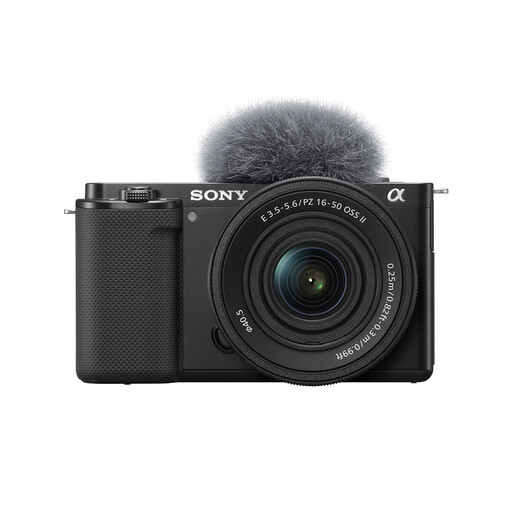
Sony ZV-E10K with 16–50 mm Power Zoom lens
The included zoom is a starting point for assessing whole-product compositions, while the interchangeable-lens body leaves lens choice open for later shots. Check the zoom’s published focusing distance and magnification before using it for close soap details.
View on Joybuy
Common questions
Do I need a 1:1 macro lens for handmade soap?
Not if your listings mainly show complete bars, boxes or styled arrangements. For small decorations that need to fill more of the frame, compare the exact lens’s maximum magnification: Nikon describes 1:1 as life-size reproduction on the sensor, while Canon specifies up to 1:2 for its RF 35mm F1.8 Macro. Check which framing meets your particular shot.
Why is only part of my close-up soap photograph sharp?
Depth of field becomes narrow at higher magnification, so the focused area may cover only part of an uneven surface. Nikon explains this close-up limitation, and Canon recommends a tripod or other support for still-life work. Test focus and aperture on one bar before repeating the setup across your range.
Can I start with a kit zoom and add a close-up lens later?
Yes, an interchangeable-lens camera lets you choose another compatible lens later, making a kit zoom a practical starting point when whole-product images come first. Before expecting close detail from the supplied zoom, check that exact lens’s maximum magnification and minimum focusing distance.
What if I need to return a camera bought online?
For an online purchase from a UK trader, distinguish cancellation because you have changed your mind from a claim about goods that are faulty or misdescribed. GOV.UK explains that online customers can cancel within a limited period even when an item is not faulty. Check the applicable conditions and the seller’s return instructions, and keep your order records.


