Choose a compact camera if you want a dedicated, self-contained camera without managing separate lenses; choose mirrorless if changing lenses matters enough to carry a larger kit. An action camera suits mounted, moving or wet-condition footage rather than every everyday photo. Before buying, check the exact model’s lens arrangement, storage and battery requirements, and any flight rules that apply to spare batteries.
Who each camera type suits
Light-packing holiday photographers
If you want a dedicated camera but not a collection of lenses, compare compact cameras whose built-in lens covers the subjects you expect to photograph. A fixed lens keeps the kit self-contained but cannot be swapped later.
Everyday photographers learning to use lenses
If changing focal lengths is central to what you want from a camera, consider a mirrorless body together with its first lens. Check the mount and the weight of the kit you would actually carry, not just the body.
Active-trip video and point-of-view shooters
For mounted, moving or wet-condition footage, compare action cameras and their model-specific mounts, storage cards and batteries. Check the conditions attached to any stated water-resistance rating.
What matters when choosing
Decide whether your main reason for carrying a camera is a simple photo kit, interchangeable lenses or active footage; then check the accessories needed to keep that choice usable on a trip.
Compact camera
Choose it when: you want a dedicated camera without selecting and carrying separate lenses.
Trade-off: a built-in lens cannot be changed if your photography needs change.
Mirrorless camera
Choose it when: selecting different lenses is an important part of the control you want.
Trade-off: the lens and any required adapter add to the kit you need to choose and carry.
Action camera
Choose it when: mounting the camera or recording around movement and water is the priority.
Trade-off: its wide-angle, action-focused setup may not suit every everyday still-photo subject.
| Concern | What to check | Who this matters to |
|---|
| Portability and a simple kit |
Compare ready-to-carry dimensions and weight, and check the built-in lens range on a compact camera. |
If I am unlikely to carry a bag of lenses on holiday, I need a camera I will take out regularly; around 29% of consumers would make a manageable, self-contained kit their primary concern. |
| Lens choice and creative control |
Confirm the body and lens mounts, any adapter requirements, and the size of the body-plus-lens kit. |
I want to choose focal lengths for different subjects over time, so the lens system shapes my decision; roughly 36% of consumers would put that flexibility first. |
| Active and wet-condition capture |
Check mounting options and the exact water-use rating, including sealing steps and any case requirement. |
When I want footage while moving or near water, I need a camera suited to that activity; around 21% of consumers would prioritise active capture. |
| Storage, power and travel preparation |
Match cards and spare batteries to the exact model; for flights, check airline rules for carrying protected spare batteries. |
I do not want an incompatible card or spare battery to interrupt a trip; approximately 14% of consumers would make accessory and travel readiness their main concern. |
Buying pitfalls
-
Assuming a card or battery fits because it looks right
Compatibility can differ between models. GoPro says the HERO13 Black’s Enduro battery does not work with older GoPros, while Insta360 gives specific storage requirements for its Ace and Ace Pro cameras.
Check the exact camera model against the maker’s card and battery guidance before choosing spares.
An incompatible spare may need replacing before it can be used on the trip.
-
Choosing a mirrorless body without choosing its first lens
Canon’s lens compatibility guide distinguishes between mounts and adapter-dependent combinations; Sony identifies the α6700 as an E-mount camera. A body alone does not tell you what the full kit will be like to carry.
Choose a lens for your main subjects, then assess the body and lens together against a compact camera.
-
Treating waterproofing as unconditional
DJI’s water-use guidance for the Osmo Action 5 Pro depends on correctly closed covers and a tightened lens cover. DJI recommends a case for long underwater sessions or high water-impact pressure.
Check your exact model’s sealing instructions, depth rating and case guidance against the activity you have planned.
-
Putting spare batteries in checked baggage
The UK Civil Aviation Authority advises air travellers to keep spare batteries in cabin baggage and protect them from damage; airline requirements also apply.
Pack protected spares in your cabin bag and check your airline’s battery rules before departure.
Brands to consider
Canon
Canon is relevant to both fixed-lens compact cameras and EOS R mirrorless systems.
- Canon lists a built-in 16–50mm f/2.8 lens for the PowerShot V1, an example of a self-contained compact kit.
- Canon’s compatibility guide distinguishes RF/RF-S, EF/EF-S and EF-M lenses; check the exact body, lens and any adapter rather than assuming they fit together.
Sony
Sony is relevant to travellers considering an APS-C mirrorless camera and an interchangeable-lens system.
- Sony identifies the α6700 as an APS-C E-mount camera and offers body-only and lens-kit configurations.
- Choose the compatible lens and assess the carried kit, not just the camera body.
GoPro
GoPro is relevant to mounted and movement-focused travel footage.
- GoPro lists HB-Series Lens Mod support for the HERO13 Black.
- GoPro says its HERO13 Black Enduro battery is incompatible with older GoPros; its card guidance for the HERO13/12/11/10 Black family specifies V30 and Class A2 microSD cards.
DJI
DJI is relevant to buyers comparing action cameras for outdoor and wet-condition footage.
- DJI states that the Osmo Action 5 Pro can be used to 20 m underwater without a case, or 60 m with its waterproof case, subject to its instructions.
- Those figures apply to the named model and setup; check sealing and case guidance for the activity you intend.
Joybuy camera choices
These cameras cover a compact option for carrying a simple kit, mirrorless kits with a supplied lens, and action cameras for movement-focused travel footage. Choose by the kind of shooting you plan to do rather than treating them as interchangeable alternatives.
 No image available
Sony A6700 APS-C with 16–50mm lens
Consider this mirrorless kit if you want to begin with a zoom lens and choose other lenses later. Sony identifies the α6700 as an E-mount camera; check the weight of the complete kit and its memory-card requirements before travelling.
View on Joybuy
 No image available
Sony ZV-1F compact vlog camera, 1-inch sensor
Consider this compact option if carrying a small dedicated camera is the priority. Before choosing it over an interchangeable-lens kit, confirm the exact lens arrangement: the listing’s lens descriptions conflict. Check the memory-card requirements too.
View on Joybuy
 No image available
Sony A6400 APS-C with 16–50mm power zoom lens
This mirrorless kit gives travellers a starting zoom lens while leaving lens choice open for later. If packing weight matters, assess the whole kit; also confirm the required memory card and what is included in the box.
View on Joybuy
 No image available
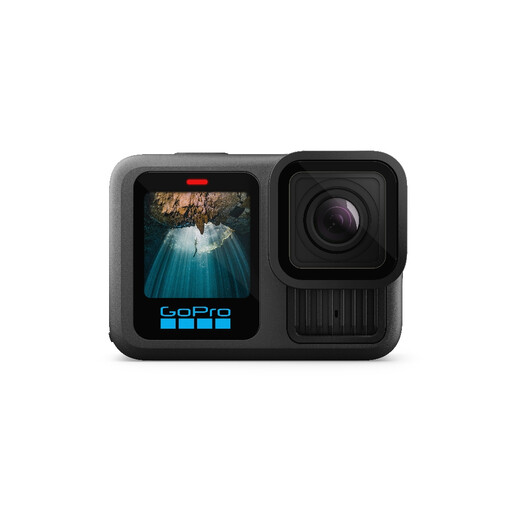
GoPro HERO13 Black
Consider this action camera for mounted or movement-focused holiday footage rather than as a substitute for an interchangeable-lens kit. GoPro specifies V30 and Class A2 microSD cards for the HERO13 Black family and says its HERO13 Black Enduro battery does not work with older GoPros. Check whether a suitable card is included.
View on Joybuy
 No image available
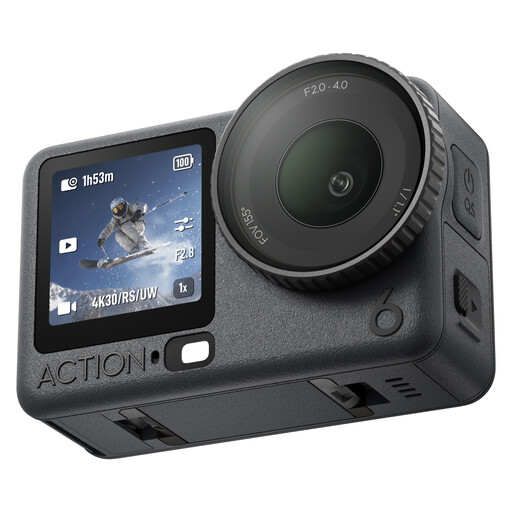
DJI Osmo Action 6 Standard Combo
Consider this action-camera bundle if active travel footage is your main aim. Its title specifies a 1/1.1-inch square sensor, variable aperture and 4K capture. For underwater use, follow the exact model’s cover-sealing instructions; if you need expandable storage, confirm its removable-card support and requirements.
View on Joybuy
Common questions
Should I take a compact camera instead of relying on my phone for holiday photos?
A compact camera makes sense if you will carry it and its lens suits the photos you want to take; it will not automatically improve every photo. Compare the exact camera’s lens range, carrying weight and shooting features with what you need from a separate device.
How can I avoid buying the wrong mirrorless lens?
Start with the camera body’s mount and check the exact lens combination. Canon’s compatibility guide distinguishes RF/RF-S, EF/EF-S and EF-M lenses and explains adapter-dependent combinations; Sony identifies the α6700 as an E-mount body. Check any adapter and sensor-format conditions before buying.
Which memory card does an action camera need?
Use the guidance for the exact camera model, not a card chosen only because it fits. GoPro specifies V30 and Class A2 microSD for its HERO13/12/11/10 Black family; Insta360 calls for UHS-I, V30-or-higher microSD formatted as exFAT for the Ace and Ace Pro, with further restrictions on card type and capacity.
How should I pack spare camera batteries for a flight?
Keep protected spare batteries in cabin baggage, as advised by the UK Civil Aviation Authority. Check your airline’s current rules and the battery maker’s instructions for the batteries you plan to carry.


