For consistent handmade-soap listings, choose the lighting, backdrop and repeatable camera position before paying for extra body features: Adobe emphasises controlled light and a clean background, while Canon recommends a tripod for consistent framing. An adjustable screen can make tabletop stills easier to compose; prioritise a suitably close-focusing lens for small details, or video-oriented features if demonstrations matter as much as photographs.
Who this setup suits
Soap sellers building a consistent catalogue
If you photograph several bars or batches against the same white backdrop, repeatable framing and colour matter more than changing the camera position for every shot. An adjustable screen, remote control and tripod can make a fixed tabletop setup easier to use.
Makers showing texture and fine details
Embossing, mica swirls, botanical inclusions and cut edges may call for closer framing than a whole-bar listing image. Choose the camera alongside a compatible lens whose magnification and focusing distance meet that need.
Seller-creators making product videos
If you also film making demonstrations or short product clips, video controls deserve attention. Check the chosen lens and lighting setup separately for white-background still photographs.
What to check before buying
Start with the detail your images must show and how consistently you need to repeat the setup; then compare camera bodies and the lenses supplied with them.
| Concern |
What to check |
Who this matters to |
| Consistent whites and colour |
Check manual exposure and white-balance controls; test the camera with your lights, backdrop and tripod. |
If my catalogue shows pale and richly coloured soaps together, I need the background and soap colours to stay consistent across the batch. Around 36% of consumers would put that consistency first. |
| Close-up detail |
Check the exact lens's maximum magnification and minimum focusing distance, not just whether its name says macro. |
When embossing or small inclusions need to fill the image, I care more about how closely the lens can frame them than about body extras. Around 29% of consumers would make detail their primary concern. |
| Tabletop composition |
Check whether the screen is visible from your shooting position and whether remote control suits your tripod arrangement. |
If I photograph many bars from the same awkward overhead angle, I want to compose and trigger each shot without repeatedly moving the camera. Around 21% of consumers would prioritise that workflow. |
| Stills and video |
Decide which video functions you will use, and check the exact kit lens against your still-photo needs. |
Alongside listing photos, I need to film demonstrations, so video use could change which camera I choose. Around 14% of consumers would put a combined stills-and-video workflow first. |
Buying pitfalls
-
Choosing the body before planning the backdrop and lighting
A camera upgrade alone will not make uneven lighting or shifting framing consistent. Adobe recommends a controlled environment and clean background for product photography, while Canon notes that a tripod helps keep the setup steady.
Plan the shooting surface, light and camera position first, then choose a body and lens that work in that arrangement.
Allow space in the setup for a backdrop, lighting, diffusion and stable camera support where needed.
-
Assuming every lens labelled macro captures life-size detail
Magnification varies: Nikon specifies 1:1 reproduction for the NIKKOR Z MC 50mm f/2.8, whereas Canon specifies up to 0.5x for its RF 35mm F1.8 Macro. That difference matters when a small soap stamp must occupy much of the frame.
Identify the smallest feature you need to photograph, then compare the exact lens's magnification and minimum focusing distance.
A separate close-focusing lens may be needed if the supplied lens cannot frame the detail you want.
-
Leaving white balance entirely to automatic settings
Changes in lighting can make a white backdrop or pale soap appear tinted. Nikon's white-balance guidance illustrates how a white-card reading can improve the rendering of whites under mixed light.
Keep the lighting consistent, check white balance with a neutral reference and take a test photograph before shooting the batch.
-
Putting an old camera or battery in household rubbish
GOV.UK advises against putting electrical products and batteries in household rubbish when they are no longer wanted or working.
Check an appropriate electrical-waste or battery recycling route when replacing equipment.
Relevant camera brands
These examples show how particular camera and lens systems address tabletop stills, close details or video; the suitability of any kit depends on its exact lens and your shooting setup.
Canon
The EOS R50 is an APS-C option for tabletop stills, with a vari-angle touchscreen and phone-based remote control.
- Canon also offers the compatible RF 35mm F1.8 Macro lens for closer product details.
- Canon specifies up to 0.5x magnification for that lens, not life-size 1:1 reproduction. Check whether it frames your smallest details closely enough.
Nikon
The Z50II has a vari-angle touchscreen; the separate NIKKOR Z MC 50mm f/2.8 offers a close-detail option in the Z-mount system.
- Nikon specifies 1:1 reproduction and a 0.16m minimum focusing distance for the Z MC 50mm f/2.8.
- The macro lens must be considered as part of the system purchase. At high magnification, careful focus, lighting and camera positioning remain important.
Sony
The ZV-E10 II is an APS-C interchangeable-lens camera to consider when product video accompanies listing photographs.
- Sony specifies approximately 26.0 megapixels and offers a kit option with an E PZ 16–50mm F3.5–5.6 OSS II lens.
- Video-oriented product features do not establish the supplied zoom's suitability for small still-photo details. Check the exact lens before buying.
Fujifilm
The X-M5 is an X-mount option for sellers who expect to edit product stills from RAW files.
- Fujifilm specifies a 26.1MP APS-C sensor, 14-bit RAW files and manual exposure control for the X-M5.
- Choose an X-mount lens with suitable close-focus capability; the body alone does not determine how tightly soap details can be framed.
Joybuy camera choices
These cameras cover listing stills and combined stills-and-video use. For each kit, compare the supplied lens with the size of the soap details you need to photograph; a white backdrop and controlled lighting remain separate parts of the setup.
 No image available
Sony Alpha ZV-E10 II K with 16–50mm power-zoom lens
Consider this kit if you make listing photographs alongside product videos.
The title specifies an APS-C interchangeable-lens camera, 26-megapixel capture and a 16–50mm f/3.5–5.6 kit lens.
Check the supplied lens's close-focus capability against any texture or embossing shots you need.
Joybuy
 No image available
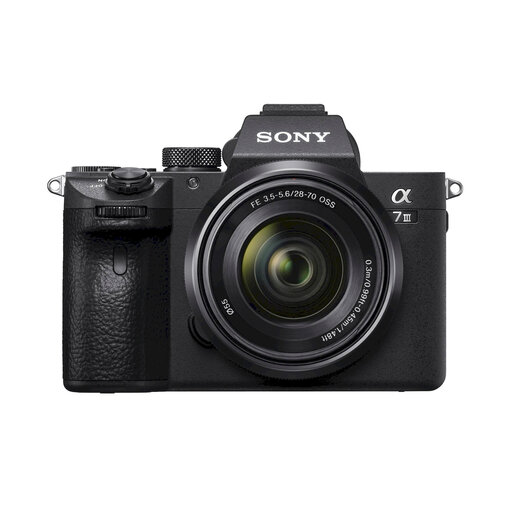
Sony Alpha 7 III with 28–70mm zoom lens
This kit is an option for full-bar catalogue photographs where you want a supplied zoom lens.
The title identifies a full-frame mirrorless camera with a 28–70mm lens.
If small surface details must fill the frame, check the included lens's magnification before relying on it for those shots.
Joybuy
 No image available
Sony A6700 with 16–50mm lens
Consider this kit for tabletop photographs if the supplied zoom fits the framing you need.
The title identifies an APS-C mirrorless camera and a 16–50mm lens.
Check the lens's minimum focusing distance and magnification for close crops of soap details.
Joybuy
 No image available
Sony A6400 with 16–50mm power-zoom lens
This APS-C mirrorless kit is an option for photographing whole soap bars in a fixed tabletop setup.
The supplied lens is identified as a 16–50mm power zoom.
For embossing or texture crops, check how closely that exact lens can focus.
Joybuy
 No image available
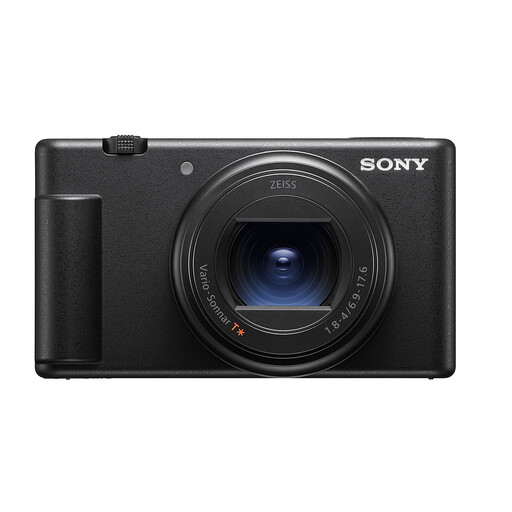
Sony ZV-1 II with wide-angle zoom lens
Consider this compact camera if you want to make both soap photographs and short videos without choosing a separate kit lens.
The title specifies a 1-inch stacked sensor, 20MP stills and 4K video.
Check whether its lens can frame your smallest soap details closely enough.
Joybuy
Frequently asked questions
Do I need a macro lens to photograph handmade soap?
Not necessarily for an image showing the whole bar; choose a close-focusing or macro lens when small embossing, texture or inclusions need to fill more of the frame. Compare the exact lens's magnification: Nikon specifies 1:1 for the NIKKOR Z MC 50mm f/2.8, while Canon specifies up to 0.5x for the RF 35mm F1.8 Macro.
How do I keep a white backdrop and pale soaps looking neutral?
Use consistent lighting and check white balance with a neutral reference before photographing the full batch. Adobe recommends controlled lighting and a clean background for product photography; Nikon's white-balance guidance shows how a white-card reading can help under mixed light.
Is a tripod useful for photographing several soaps?
Yes, particularly when each bar should appear in the same position against the backdrop. Canon's product-photography guidance recommends a tripod to keep framing consistent; check that your mounting arrangement suits the tabletop or overhead angle you plan to use.
What should I do if a camera bought in the UK is faulty?
Contact the seller about the fault and keep your order details and correspondence. GOV.UK explains that consumer rights apply to goods bought remotely or in person and directs consumers to the appropriate advice service if they need help resolving a problem.


