Campers comparing fat content
If you want a ready-to-eat cereal bar with less fat, compare the declared figures. An oat, nut or protein description does not tell you how much fat the bar contains.


For a camping snack, compare fat per 100g first, then check the amount in the bar you will eat. Kellogg's UK lists 6.3g fat per 100g and 1.7g per 27g Special K Red Berry Bar, a lower per-100g figure than those published for the three named oat, flapjack and peanut bars compared here by Nature Valley UK, Waitrose & Partners and Eat Natural UK. A Joybuy Red Berry listing has a different pack size, so check its own wrapper rather than applying the 27g bar's figures to it.
If you want a ready-to-eat cereal bar with less fat, compare the declared figures. An oat, nut or protein description does not tell you how much fat the bar contains.
Fibre, sugars, protein or vegan suitability may matter more to you than minimising fat. Compare those details alongside fat content rather than treating one figure as the whole decision.
If you need to avoid particular ingredients, read the exact wrapper before packing. The named products have different allergen and may-contain declarations, which cannot be assumed to apply to another flavour or pack.
Start with a like-for-like nutrition comparison, then use the portion size and ingredient information to decide whether the exact pack suits your trip.
| Priority | What to check | Your needs |
|---|---|---|
| Total fat | Compare fat per 100g on the exact labels. Kellogg's UK lists 6.3g for its Special K Red Berry Bar; Nature Valley UK lists 17.9g for Crunchy Apple & Cinnamon, and Waitrose & Partners lists 22g for Graze Cocoa Vanilla Oat Boosts. | I want to compare recipes without assuming that an oat or flapjack bar contains less fat. |
| Portion size | After comparing per 100g, check the fat value for the portion you will eat. Kellogg's UK gives 1.7g per 27g Red Berry Bar, while Nature Valley UK gives 7.5g per 42g two-bar Apple & Cinnamon serving. | A smaller bar may suit what I plan to pack, but I do not want its per-bar figure to stand in for a per-100g comparison. |
| Sugars and saturates | Read both values alongside total fat. In its November 2025 review of 458 snack bars from 10 major UK retailers, Action on Salt & Sugar reported that 55% were high in saturated fat and 37% were high in sugars; those product figures do not describe any individual bar. | Fat is my starting point, but I also want to check the sugars and saturates on the pack I choose. |
| Fibre and protein | Compare the nutrient you care about with fat on the same product. Nature Valley UK lists 3.1g fibre per 42g Apple & Cinnamon serving; Eat Natural UK lists 7.8g protein and 14.5g fat per 40g Dark Chocolate & Peanut bar. | I might choose for fibre or protein instead, knowing that this is a different priority from choosing less fat. |
| Ingredients and allergens | Read the ingredient list and may-contain statement on the exact wrapper. Kellogg's UK lists barley, oats, milk, soya and wheat for its Red Berry Bar; other named bars carry different declarations. | If I need to avoid an ingredient, I will check the pack I am taking rather than rely on another flavour's details. |
Those descriptions identify ingredients or a nutrition focus, not total fat. Eat Natural UK lists 14.5g fat in its 40g Dark Chocolate & Peanut Protein Bar.
Use the declared fat per 100g to compare named products, then check the portion you expect to eat.
A 27g bar and a 42g two-bar serving contain different amounts of food. Their per-serving figures alone do not provide a like-for-like recipe comparison.
Compare per 100g first and use the serving figure to plan what you will pack.
Action on Salt & Sugar's November 2025 UK review of 458 snack bars reported that 55% were high in saturated fat and 37% were high in sugars. Those findings describe the products reviewed, not the bar in your hand.
Read the exact pack's sugars and saturates as well as its total fat.
The named bars have different ingredient and may-contain declarations. A listing for another flavour or pack is not a substitute for the wrapper you will take camping.
Check that wrapper before departure and keep it available while the bars are being eaten.
These brand references help distinguish the named product lines; they do not mean that every bar from a brand has the same nutrition or ingredients.
The Special K Red Berry Bar is a relevant lower-fat comparison for a small cereal-bar portion.
Its range includes oat-based Crunchy bars as well as other cereal and protein-bar options.
Cocoa Vanilla Oat Boosts offer an oat-flapjack option when vegan suitability or fibre is part of the decision.
Its Dark Chocolate & Peanut Protein Bar is a nut-based choice for someone comparing protein as well as fat.
Check current availability before making a former Alpen cereal bar part of a camping-food plan.
A protein flapjack may be relevant if protein, rather than less fat, is your priority.
These Joybuy listings are small multipacks of cereal bars to consider for portable camping snacks. Compare each pack's own nutrition and ingredient label; the Kellogg's UK figures for a 27g Red Berry Bar should not be transferred to the differently sized Joybuy listing.
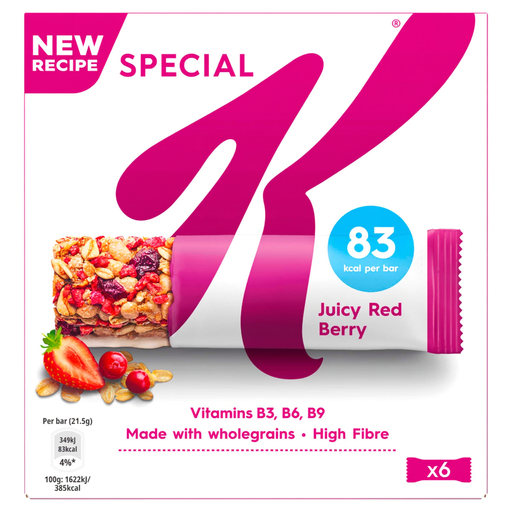 Image unavailable
A multipack of small cereal bars for a camping snack. This listing specifies 21.5g bars, whereas Kellogg's UK's published Red Berry nutrition figures describe a 27g bar; check the fat values and allergens on this exact pack.
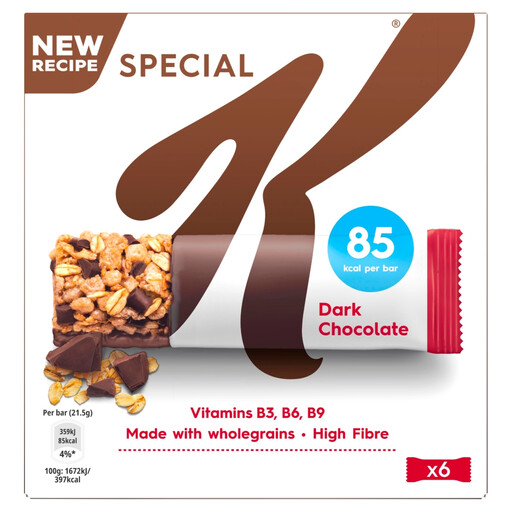 Image unavailable
A dark chocolate option in a six-bar pack. If flavour affects your choice, compare its own per-100g and per-bar nutrition with the Red Berry pack, and check its ingredient and allergen declaration.
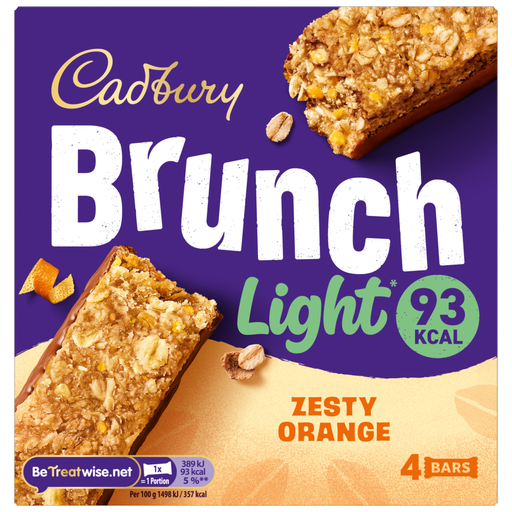 Image unavailable
An orange-flavour cereal-bar multipack to compare with the Special K options. Use the exact pack's fat per 100g and serving figures, and check its ingredients before adding it to your camping food.
No. Comparing two declared fat figures does not establish that either pack qualifies to make a ‘reduced fat’ claim. GOV.UK guidance says nutrition claims must follow specific rules; use the wording on the actual pack rather than treating an informal comparison as a product claim.
Kellogg's UK lists 6.3g fat per 100g and 1.7g per 27g Special K Red Berry Bar, a lower per-100g figure than the named Nature Valley, Graze and Eat Natural products compared here. Check the exact pack: the Joybuy Red Berry listing specifies a different bar size.
Yes. Nature Valley UK lists 17.9g fat per 100g for Crunchy Apple & Cinnamon despite its 3.1g fibre per 42g serving. Eat Natural UK lists 14.5g fat alongside 7.8g protein in its 40g Dark Chocolate & Peanut Bar. Compare each nutrient separately.
Read the ingredients and may-contain statement on every exact pack you plan to take. The named bars have differing declarations covering cereals, milk, soya, peanuts or other nuts; do not use the details of another flavour as a substitute.
They can be a ready-to-eat snack. Choose a portion and nutrition profile that fit the food you plan to bring, check dietary requirements on the wrapper, and do not assume that one bar replaces a meal.